
Comprehensive Guide to Dust Mite Allergy: Symptoms, Treatments, and Prevention Strategies
Dust mite allergies can cause a range of respiratory and nasal symptoms, often mimicking cold symptoms. This comprehensive article covers their causes, diagnosis, treatment options like medications and immunotherapy, prevention strategies, and lifestyle modifications to manage and reduce allergic reactions effectively. Understanding these aspects can help individuals better control their allergies for improved health and comfort.
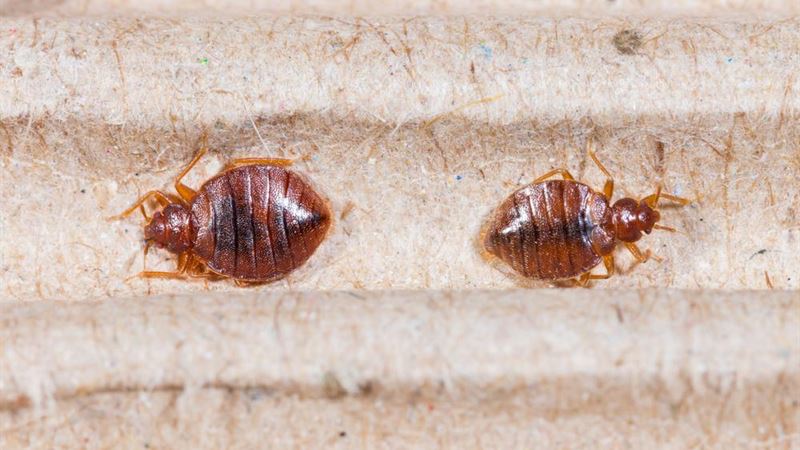
Dust mite allergies represent a common yet often overlooked health concern, affecting millions worldwide. These microscopic creatures, belonging to the arachnid family, thrive in household environments, particularly in bedding, upholstery, and carpeting. Despite their tiny size, dust mites can trigger significant allergic reactions, ranging from mild discomfort to severe respiratory issues. Recognizing the symptoms and understanding effective treatment options are crucial for managing this allergy and maintaining a healthy, comfortable living space.
Understanding Dust Mite Allergies
Dust mites are not visible to the naked eye but can profoundly impact individuals predisposed to allergic reactions. They are tiny creatures that feed on dead skin cells shed by humans and pets, making upholstered furniture, mattresses, pillows, and rugs ideal habitats. The allergens they produce are primarily found in their fecal matter and body parts, which become airborne and settle on surfaces. When inhaled, these particles can trigger immune responses, leading to allergy symptoms. This condition is especially prevalent in environments with high humidity and poor ventilation, as these conditions favor dust mite proliferation.The symptoms of dust mite allergy often mimic those of the common cold or sinus infections, which can lead to misdiagnosis. It is essential to pay attention to recurring symptoms such as persistent nasal congestion, sneezing, itchy or watery eyes, and difficulty sleeping. In some cases, individuals may experience asthma-like symptoms such as wheezing, shortness of breath, or chest tightness. If these symptoms persist or worsen, seeking medical advice becomes vital to confirm the diagnosis and start appropriate treatment.
Diagnosing Dust Mite Allergies
Identification begins with a detailed medical history and physical examination. Your healthcare provider may recommend allergy testing, such as skin prick tests or blood tests, to determine specific sensitivities. Skin prick tests involve introducing small amounts of common allergens, including dust mite proteins, into the skin and observing for reactions. Blood tests measure allergen-specific antibodies, helping to pinpoint dust mites as the primary trigger. Accurate diagnosis allows for tailored treatment plans and effective management strategies.Medical Treatments for Dust Mite Allergies
Once diagnosed, treatment options aim to reduce symptoms and improve quality of life. Many patients benefit from a combination of medications and lifestyle modifications. Adherence to prescribed medications is crucial to control allergic reactions and prevent complications.
- Antihistamines – These medications are often the first line of defense against allergy symptoms. They work by blocking histamine, a chemical responsible for inflammation and itching. Available in oral, nasal spray, or liquid forms, antihistamines effectively reduce sneezing, itching, and runny noses. They are safe for children and adults and can be used regularly to maintain symptom control.
- Nasal corticosteroids – These are potent anti-inflammatory sprays that decrease swelling in the nasal passages. They help prevent allergic rhinitis symptoms and are suitable for long-term use. Regular application can significantly reduce nasal congestion, sneezing, and mucus production, offering relief to sufferers.
- Leukotriene receptor antagonists – This class of drugs targets leukotrienes, chemicals involved in the allergic response. By blocking their activity, these medications help control symptoms such as nasal congestion and bronchial inflammation, especially useful for individuals with coexisting asthma.
When Medications Are Not Enough: Immunotherapy Options
Despite medication use, some individuals experience persistent symptoms. In such cases, immunotherapy may be recommended to modify the immune response to dust mites. This approach can provide long-term relief and reduce medication dependence.
- Allergy Shots (SCIT) – Subcutaneous Immunotherapy (SCIT) involves regular injections of increasing amounts of dust mite extracts. Over time, this exposure helps desensitize the immune system, reducing allergy severity. This proven treatment has been utilized for over a century and can significantly improve quality of life for chronic sufferers.
- Sublingual Immunotherapy (SLIT) – Approved by the FDA in 2017, SLIT involves placing allergen tablets or drops under the tongue. This method offers a convenient and less invasive alternative to injections, gradually building tolerance to dust mites and alleviating allergic symptoms effectively.
Effective Strategies to Prevent Dust Mite Allergies
Prevention remains the cornerstone of managing dust mite allergies. Creating an allergen-free environment minimizes exposure and reduces symptoms.
- Maintain Low Humidity Levels – Dust mites thrive in humid environments. Keep indoor humidity below 50% using dehumidifiers or air conditioners to inhibit their growth.
- Regular Cleaning and Vacuuming – Use a vacuum cleaner equipped with a HEPA filter to remove dust and mites from carpets, upholstery, and bedding. Wash bedding, pillowcases, and curtains weekly in hot water (at least 130°F or 54°C) to kill dust mites.
- Encasements and Protective Covers – Enclose mattresses, pillows, and duvets in allergen-proof covers that prevent dust mites from colonizing these items.
- Reduce Clutter and Soft Furnishings – Minimize items that trap dust, such as plush toys, stuffed animals, and heavy drapes. Opt for hard-surfaced furniture and washable curtains.
- Use Air Purifiers – HEPA air purifiers can filter airborne particles, reducing dust mite allergens in indoor spaces.
Living with Dust Mite Allergies: Tips for a Better Quality of Life
Managing dust mite allergies involves ongoing efforts, but with proper measures, individuals can enjoy a healthier, more comfortable life. Regular consultation with healthcare providers, adherence to treatment plans, and environmental modifications play vital roles in controlling symptoms. Moreover, staying informed about new treatments and emerging research can help patients make educated decisions about their health.If you experience persistent allergy symptoms despite these measures, seek medical advice to explore advanced therapies and personalized solutions. Raising awareness about dust mite allergies can encourage early diagnosis and prompt treatment, ultimately reducing the disease burden and enhancing well-being.