
Comprehensive Guide to Recognizing the Signs and Symptoms of Lung Cancer
This detailed guide provides comprehensive insights into the signs and symptoms of lung cancer, emphasizing early detection and management. It covers initial symptoms, advanced signs, associated syndromes, diagnostic approaches, and importance of timely medical evaluation, helping readers understand the critical aspects of lung cancer diagnosis for better health outcomes.
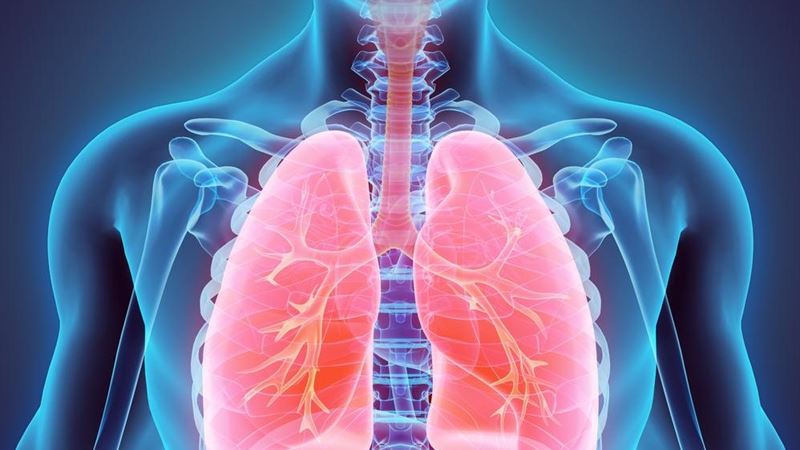
Understanding the Symptoms of Lung Cancer in Different Stages
- Persistent cough that does not go away or worsens over time
- Unexplained chest pain, especially during deep breaths or coughing
- Coughing up blood or blood-stained phlegm
- Breathing difficulties or shortness of breath
- Hoarseness or voice changes
- Unexplained fatigue or weakness
- Recurrent respiratory infections such as bronchitis or pneumonia
- Wheezing or noisy breathing
Signs of More Advanced Lung Cancer
- Bone pain or fractures
- Persistent headaches or neurological symptoms
- Loss of sensation or numbness in limbs
- Feeling dizzy or fainting spells
- Jaundice, characterized by yellowing of the skin and eyes
Recognizing these symptoms early is crucial, but they are not exclusive to lung cancer and can be indicative of other health conditions. Hence, any persistent or unusual health changes must be evaluated urgently by healthcare professionals.
Lung cancer can manifest through various paraneoplastic syndromes, which are systemic effects caused by tumor-produced hormones or substances. Understanding these syndromes can help in early diagnosis and management:
- Horner syndrome, occurring when a tumor compresses nerves that supply the eye and face, leading to drooping eyelid, constricted pupil, and absence of sweating on one side of the face
- Superior vena cava syndrome, caused by tumor pressure on the superior vena cava, resulting in facial swelling, neck distension, headache, and dizziness
- Paraneoplastic syndrome, involving abnormal hormone production by the tumor, which may lead to symptoms such as high calcium levels, abnormal bone growth, or blood clot formation
These syndromes are complex and may mimic other neurological or vascular conditions. Accurate diagnosis often requires a combination of imaging, laboratory tests, and sometimes tissue biopsy. Doctors tailor treatment plans based on the extent of disease and specific syndromic features, aiming to optimize quality of life and survival prospects.
Prevention and early detection are the cornerstones of reducing lung cancer mortality. Avoidance of tobacco smoke, exposure to carcinogens, and regular health screenings for high-risk populations are vital steps. If you experience any of the above symptoms, especially if they persist beyond a few weeks, it is imperative to seek medical advice promptly. Multiple diagnostic tools, including chest X-rays, CT scans, biopsies, and molecular testing, are vital in confirming the diagnosis and planning effective treatment strategies. Remember, early intervention can significantly improve outcomes and save lives.