
Understanding the Symptoms and Causes of Frequent Urination
Learn about the signs, causes, and treatment options for frequent urination. This comprehensive guide covers symptoms like urgency, pain, and blood in urine, along with risk factors such as infections, prostate issues, and neurological conditions. Understand when to seek medical help and explore lifestyle changes and treatments to manage this common condition effectively. Regular check-ups and early intervention can significantly improve quality of life for those experiencing persistent urinary issues.
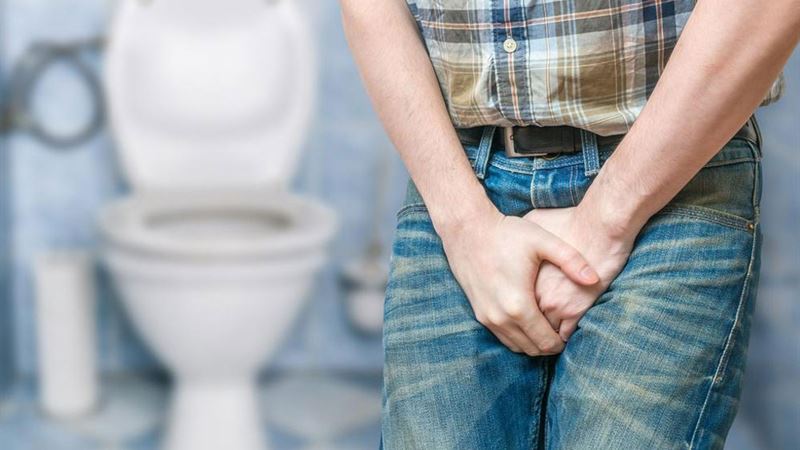
Signs and Symptoms of Frequent Urination
- Increased urgency and frequency in urinating, often needing to go multiple times during the day and night.
- Feeling unable to fully empty the bladder after urination, leading to persistent sensations of incomplete voiding.
- Blood in urine (hematuria), which appears as pink, red, or dark brown urine, may signal infection or other underlying issues.
- Pain or burning sensation during urination, commonly associated with urinary tract infections.
- Low abdominal or pelvic pain, which can be indicative of infections or inflammatory conditions.
- Urinary retention, where urination becomes difficult despite frequent urges, possibly due to obstruction or neurological issues.
- Loss of bladder control, leading to involuntary leakage or accidents, especially in older adults.
- Fever accompanying urinary symptoms, suggesting infection or systemic illness.
Common Causes and Risk Factors
- Urinary Tract Infections (UTIs): Often caused by bacteria infecting the urinary system, UTIs are a common culprit behind frequent urination. Risk factors include poor hydration, incomplete bladder emptying, vaginal inflammation or irritation, and suppressed immune function.
- Overactive Bladder: A condition characterized by sudden urges to urinate and increased frequency, often linked to nerve dysfunction or muscle overactivity.
- Prostate Issues: Enlargement of the prostate (benign prostatic hyperplasia) or inflammation (prostatitis) can obstruct urine flow, causing increased frequency and difficulty urinating in men.
- Kidney and Bladder Stones: Stones can irritate the urinary tract, leading to persistent urgency and discomfort.
- Diabetes: Uncontrolled blood sugar levels can cause increased urine production as the body attempts to rid itself of excess glucose.
- Neurological Disorders: Conditions like stroke, multiple sclerosis, or Parkinson’s Disease can impair nerve signals, affecting bladder control.
- Medications: Diuretics, commonly prescribed for high blood pressure or heart issues, increase urine production and can lead to frequent urination.
- Other Factors: Anxiety, stress, or nervous system disorders may stimulate bladder activity. Radiation therapy in pelvic cancer treatment can also affect bladder function.
Additional Causes and Conditions
- Inflammation of small pouches and sacs within the colon (diverticulitis) may contribute to urinary symptoms due to proximity in the pelvic region.
- Structural abnormalities or congenital defects in the urinary tract can lead to altered urinary patterns.
- Obstructions or narrowing of the urethra or urethral strictures may cause difficulty in fully emptying the bladder, leading to frequent urges.
- Urinary incontinence and other pelvic floor disorders often coexist with frequent urination, especially in women.
- Pelvic radiation therapy, especially in cancer patients, may damage bladder tissues, leading to increased urgency.
When to Seek Medical Advice
If you experience frequent urination along with other symptoms like blood in urine, pain, fever, or difficulty urinating, it is important to consult a healthcare professional promptly. Accurate diagnosis often requires urinalysis, blood tests, ultrasound, or cystoscopy to determine the underlying cause.
Proper treatment depends on the diagnosis and may include antibiotics for infections, alpha-blockers for prostate enlargement, or lifestyle modifications. Managing risk factors such as hydration, diet, and pelvic exercises can significantly improve symptoms.
Non-invasive techniques like pelvic floor exercises (Kegel exercises) and bladder training can help regain control over bladder function. In some cases, medication or surgical interventions might be necessary.
Maintaining a healthy diet and lifestyle, reducing alcohol and caffeine intake, and avoiding bladder irritants can contribute to symptom relief. Remember, although there is no definitive cure for some causes of frequent urination, consistent management can lead to substantial improvement and enhanced quality of life. Always consult healthcare professionals for personalized advice and treatment plans to prevent complications and ensure optimal care.