
Comprehensive Comparison of Top-Loading and Front-Loading Washing Machines: Choosing the Right Laundry Solution
This comprehensive guide explores the key differences between top-loading and front-loading washing machines. It covers design, operation, efficiency, cost, space considerations, maintenance, and durability. Understanding these factors helps you choose the best appliance suited to your laundry needs and space. Whether prioritizing budget, efficiency, or space-saving features, this article provides valuable insights to make an informed decision and optimize your household laundry experience.
Design and Structure
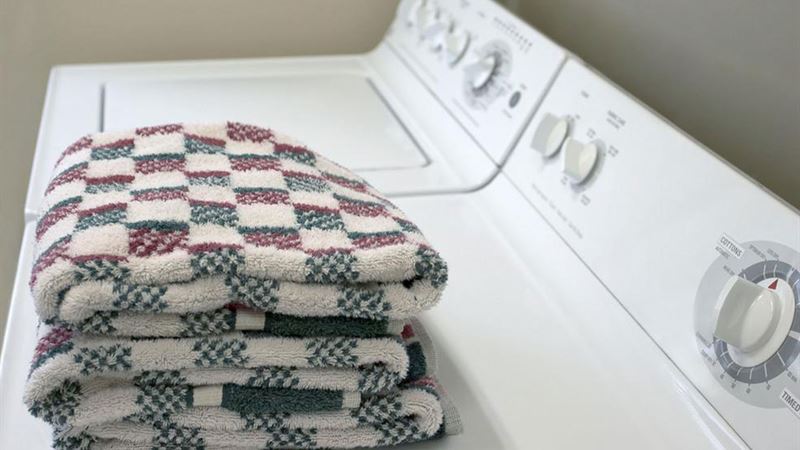
The fundamental distinction between top-loading and front-loading washing machines lies in their design and structural configuration. Top-loading washers feature a vertical door on the top surface, allowing users to load and unload laundry from above. This design is traditional and familiar to many households. The drum inside the machine is oriented vertically, and the laundry is agitated by an agitator or impeller mechanism, which moves clothes through water to cleanse them effectively.
On the other hand, front-loading washing machines have a large door on the front panel. This design is more modern and space-efficient. The drum in front-load washers is mounted horizontally and rotates on a horizontal axis, tumbling laundry in and out of water. This tumbling action closely mimics hand washing, providing gentle yet thorough cleaning. The compact profile of front-load washers makes them particularly appealing for homeowners with limited space, as they can be stacked with a dryer or placed in tight spots without compromising functionality.
Operational Mechanisms
The core difference in operation stems from the door placement and internal drum orientation. Top-load washers typically utilize an agitator—a central post surrounded by fins—that spins back and forth to move clothes around in the water, creating a vigorous cleaning process. This method allows for quick loading and unloading, making it convenient for many users. However, the agitator’s aggressive motion can sometimes cause more wear and tear on delicate fabrics over time.
Conversely, front-load machines operate primarily through tumbling movements where the drum rotates to flip clothes, simulating the action of hand washing. This gentle tumbling is less abrasive on fabrics, reducing the chance of damage and extending clothing lifespan. Additionally, front loaders often have a shorter wash cycle with higher efficiency, thanks to their advanced engineering design that optimizes water and energy use.
Water and Energy Efficiency
Modern consumers are increasingly conscious about preserving resources, leading to a preference for energy-efficient appliances. It is widely believed that front-loading washers are more eco-friendly because they utilize significantly less water per cycle compared to traditional top-loading models. Front loaders achieve this by using a tumbling action that requires less water and detergent, making them cost-saving choices in the long run.
However, advancements in top-loading technology have led to the development of high-efficiency (HE) top-load washers that now mimic the cleaning performance and water savings of front loaders. These machines incorporate fancy wash cycles, improved drum designs, and optimized water flow to deliver cleaner laundry with reduced resource use, bridging the gap between the two types.
Cost and Investment
The initial purchase price of front-loading washing machines is generally higher than that of top-loading units. This is partly due to their sophisticated engineering, advanced features, and more compact design. While the upfront cost is higher, front loaders often deliver better washing results and better energy efficiency, leading to lower operational costs over their lifespan.
Top-loading models tend to be more budget-friendly and easier to repair due to their straightforward design. They are an attractive option for households seeking an affordable, reliable appliance without many advanced features. When considering long-term benefits, however, the gap in energy and water savings may favor front loaders for environmentally conscious consumers.
Space and Convenience
As mentioned earlier, the space-saving design of front-loading washers makes them ideal for small homes, apartments, or laundry closets. These machines can also be stacked with dryers, further optimizing space utilization. Their ergonomic front door simplifies loading and unloading, especially for individuals with mobility issues.
Top-loading washers are generally easier to load and tend to have shorter cycle times, making them ideal for people who prefer quick laundry sessions. They are also less likely to require bending down to access the drum, which can be advantageous for users with back problems or limited mobility.
Maintenance and Durability
Both washer types require regular maintenance, such as cleaning the lint filter, checking hoses, and ensuring proper drainage. Front-load washers, due to their design, may require more frequent door gasket cleaning to prevent mold and odor buildup. Proper cleaning cycles and keeping the door slightly ajar when not in use help maintain hygiene and performance.
In terms of durability, top-loading machines are typically easier and cheaper to repair, as their simpler construction requires less technical expertise. Front loaders, though more complex, generally have a longer lifespan when properly maintained, providing excellent value for money in the long run.
Final Considerations and Recommendations
Choosing between top-loading and front-loading washing machines ultimately depends on individual preferences, budget, space, and specific laundry needs. If convenience and affordability are priorities, a top loader may serve you well. When energy efficiency, gentle washing, and space optimization are more important, investing in a front loader could be the better choice.
It is advisable to compare models from reputable brands, check for energy efficiency ratings, and read customer reviews before making a purchase. Seasonal sales and promotional discounts can also make higher-end front-loading machines more accessible for budget-conscious consumers.
Regardless of your choice, ensuring proper maintenance and usage will extend the lifespan and performance of your washing machine, thereby maximizing your investment.