
Comprehensive Guide to Secure International Payment Methods
Explore a comprehensive overview of secure international payment options, including bank cards, virtual cards, e-cheques, digital cash systems, and peer-to-peer platforms. Learn how each method offers unique security features, benefits, and limitations to help you choose the safest way to conduct cross-border transactions with confidence.
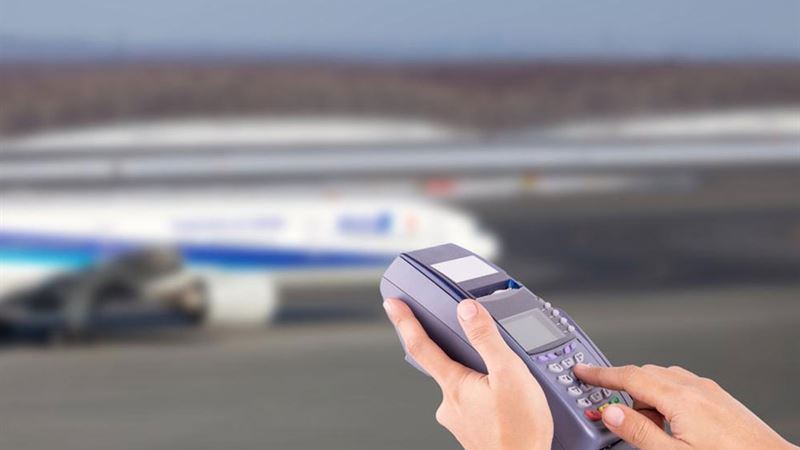
One of the most common methods involves the use of international debit and credit cards issued by reputable banks. These cards are equipped with features that enable users to perform online transactions seamlessly across borders. Simply entering the card number, along with other authentication details such as CVV and expiration date, allows users to complete purchases or transfer funds, provided the transaction falls within the set limits. Banks often impose transaction limits for security purposes, which means these cards are primarily suitable for small to medium-sized purchases.
To address concerns about online fraud and theft, banks now offer virtual credit cards. These are encrypted, temporary card numbers that are linked to your primary account but are protected by multiple layers of security. Virtual cards allow users to make secure online transactions without exposing their real card details, significantly reducing the risk of unauthorized access or theft. Once the transaction is complete, the virtual card’s validity expires, adding an extra layer of protection against potential frauds.
Beyond traditional card payments, several innovative digital payment solutions have emerged to facilitate international transactions more securely and efficiently. These include electronic cheques (e-cheques), digital cash systems, and peer-to-peer (P2P) payment gateways. Each method offers unique features tailored to different transactional needs, making them suitable for various scenarios involving cross-border transfers.
Electronic cheques function similarly to traditional paper cheques but are processed electronically. The user authorizes the bank to initiate a fund transfer directly into the recipient’s account. This process ensures high security because transactions are handled entirely within the banking network, reducing the risk of interception or fraud. Banks may send authorization mail or digital confirmation to the payer, ensuring transparency and traceability of funds. E-cheques are particularly useful for large transactions that require an added layer of security and verification.
Digital cash, on the other hand, revolves around e-wallets—digital wallets or accounts that store funds electronically. Users can load money into their e-wallets via bank transfers or card payments. Once funded, they can make instant payments to merchants or other individuals over the internet. E-wallet systems are fast, secure, and convenient, offering a user-friendly interface for managing international payments. Major providers include PayPal, Apple Pay, Google Pay, and others, which facilitate seamless cross-border transactions with minimal fees.
Peer-to-peer (P2P) payment platforms are another popular solution for international transfers. These platforms enable direct transfers between users, often with lower fees and faster processing times compared to traditional banks. P2P gateways route payments directly from the sender’s bank account or digital wallet to the recipient’s account, bypassing middlemen and reducing transaction costs. P2P systems like Venmo, TransferWise (now Wise), and others are widely used for both personal and business transfers across borders, offering real-time transaction tracking and multi-currency support.
While each of these methods provides secure options for international payments, users should consider certain limitations and charges involved. For example, virtual and physical cards often come with transaction caps and fees for currency conversion. Electronic cheques, although secure, may take longer to process. Digital wallets and P2P platforms might charge service fees or foreign exchange charges depending on the provider. Therefore, it is essential to choose the most suitable method based on transaction size, urgency, and security needs.
As technological advancements continue, new solutions are regularly emerging to further streamline international transactions. These include blockchain-based cryptocurrencies, instant cross-border payment networks, and biometric authentication systems, all aimed at improving security, speed, and transparency. Whether for personal use or business requirements, understanding these options empowers users to make informed decisions and select the most appropriate method for their specific needs.
In summary, secure international payment methods encompass a broad spectrum of options, from traditional bank cards and e-cheques to modern digital wallets and P2P platforms. Each has its own set of advantages and limitations, making it critical for users to evaluate their transaction requirements carefully. Embracing these innovative solutions ensures that users can conduct cross-border payments efficiently, economically, and, most importantly, securely in today’s digital economy.