
Innovative Benefits of Installing Garden Offices: An Economical and Practical Choice
Discover the comprehensive guide to building an efficient, cost-effective garden office. Learn about planning, permits, construction, and benefits, including stress reduction and environmental savings. Transform your outdoor space into a functional workspace with expert tips on climate control, materials, and design. Enhance your home and work life by creating a personalized garden office that boosts productivity and sustainability. This detailed article covers everything you need to know to start your garden office project successfully and enjoy a more flexible, eco-friendly work environment.
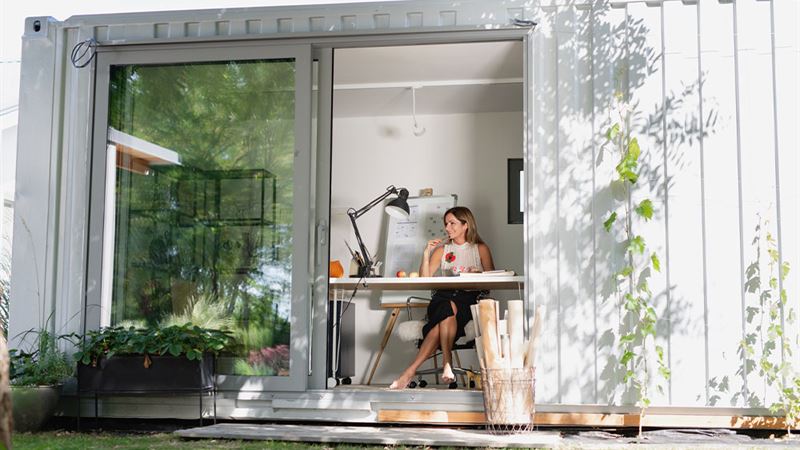
Embarking on the journey to establish a garden office requires careful planning and consideration. Proper preparation can save significant time, resources, and financial investment, ensuring the project runs smoothly from conception to completion. When opting for a custom-designed garden workspace, professional installation companies typically assess the available garden space to maximize efficiency and safety before proceeding. A key aspect of this planning phase involves ensuring that the surface where the office will be built is level and stable throughout, preventing future structural issues like uneven floors or structural instability.
Understanding Local Regulations and Permits
Before beginning construction, it’s essential to familiarize oneself with local planning regulations. Some garden offices are exempt from requiring planning permission depending on their size and placement. For example, if the structure stands less than 2.5 meters in height and is located more than 2 meters away from the property boundary, permission may not be necessary. Nevertheless, consulting the local planning authority before starting any work is strongly recommended to avoid potential legal complications and ensure compliance with all regulations.
Before beginning construction, it’s essential to familiarize oneself with local planning regulations. Some garden offices are exempt from requiring planning permission depending on their size and placement. For example, if the structure stands less than 2.5 meters in height and is located more than 2 meters away from the property boundary, permission may not be necessary. Nevertheless, consulting the local planning authority before starting any work is strongly recommended to avoid potential legal complications and ensure compliance with all regulations.
Climate Control Considerations for Comfort All Year Round
An insulated garden office should be equipped with reliable heating and cooling systems right from the planning stages. Proper climate control ensures a consistent working environment, regardless of external weather conditions. Think about installing energy-efficient air conditioning units and heating systems that can effectively regulate indoor temperature, reducing energy consumption and operational costs. Modern HVAC solutions, including ducted or split systems, can be discreetly integrated into the design, providing comfort without compromising the aesthetic appeal of your garden workspace.
An insulated garden office should be equipped with reliable heating and cooling systems right from the planning stages. Proper climate control ensures a consistent working environment, regardless of external weather conditions. Think about installing energy-efficient air conditioning units and heating systems that can effectively regulate indoor temperature, reducing energy consumption and operational costs. Modern HVAC solutions, including ducted or split systems, can be discreetly integrated into the design, providing comfort without compromising the aesthetic appeal of your garden workspace.
Step-by-Step Guide to Building a Garden Office Although individual preferences may influence how you approach the project, following a structured plan can make the process more manageable. Here’s a comprehensive guide outlining key steps to establish a functional and attractive garden office:
- Site Selection and Layout Planning: Choose a location that offers easy access, sufficient privacy, and adequate drainage to prevent flooding during storms or heavy rain. Envision the layout meticulously, considering future growth, sunlight exposure, and visual harmony within your garden.
- Foundation Installation: A robust foundation provides stability and safety. Engage qualified professionals to design and install a suitable base, such as concrete slabs or piers, tailored to your soil type and the structure’s size. Proper foundation work minimizes issues like shifting, cracking, or uneven floors over time.
- Design and Permits: Once the foundation is ready, proceed to design your garden office, balancing aesthetic appeal with functionality. Decide on features like window placement, door style, insulation levels, and internal layout. Check if any permits are required—typically, structures under certain height and size thresholds might be exempt, but obtaining approval can prevent legal hurdles later.
- Material Selection: Opt for durable, energy-efficient materials. Triple-glazed windows improve insulation and reduce energy costs, while high-quality wall panels and roofing materials enhance weather resistance. Use construction materials that offer good thermal, acoustic, and visual appeal, such as timber, PVC, or metal frameworks combined with insulation boards.
- Construction Phase: Begin with the walls, ensuring correct insulation to maintain temperature and soundproofing. Install the roof frame, then secure roofing materials like tiles, shingles, or panels. Incorporate security features like flashing and gutters to protect against weather damage.
- Interior Fittings and Systems Installation: Fit windows, skylights, doors, electrical wiring, plumbing (if needed), and ventilation systems. Prioritize energy-efficient fixtures and fixtures that promote airflow, such as vents, to maintain a comfortable environment.
Advantages of an Insulated Garden Office Creating an insulated garden office presents numerous benefits that align with modern work-life preferences. These advantages include:
- Elimination of Commute: Working from home in a dedicated garden workspace eliminates the daily commute, reducing transportation costs, saving time, and decreasing overall carbon emissions. This eco-friendly approach supports sustainability and promotes a healthier environment by lowering pollution levels.
- Enhanced Well-being and Reduced Stress: Surrounded by nature, greenery, and natural light, working in your garden office can significantly boost mental health. The calming influence of plants, fresh air, and natural scenery helps alleviate stress, improve focus, and enhance overall productivity.
- Cost Efficiency: Compared to traditional office spaces, building a garden office can be more cost-effective. While initial investment is required, long-term savings accrue through lower energy bills, maintenance costs, and the potential for increased property value.
- Flexibility and Customization: Designing your own garden workspace allows maximum flexibility to tailor the space to your specific needs. Whether you need a quiet retreat, creative studio, or a meeting spot, customization ensures the office complements your lifestyle and work habits.
- Increased Property Value: A well-designed garden office can boost your property's market appeal. It adds functional, modern living space that can attract potential buyers, especially those seeking home-based work environments.
In conclusion, investing in a garden office is an intelligent, economical solution that caters to the increasing demand for flexible, eco-friendly workspaces. With proper planning, adherence to regulations, and quality materials, this project can transform your outdoor space into a highly functional, comfortable, and aesthetically pleasing workplace. The numerous benefits—ranging from saving commute time, reducing environmental impact, to enhancing mental health—make it a worthwhile pursuit for homeowners aiming for a better work-life balance.