
Comprehensive Guide to Package Tracking and Delivery Logistics
This comprehensive article explores the modern package tracking process, highlighting how barcode technology, real-time data updates, and logistical innovations ensure timely and transparent deliveries. Learn how courier companies manage billions of parcels annually with sophisticated systems that keep consumers informed at every stage of their package’s journey from dispatch to delivery, emphasizing the importance of technology in logistics efficiency.
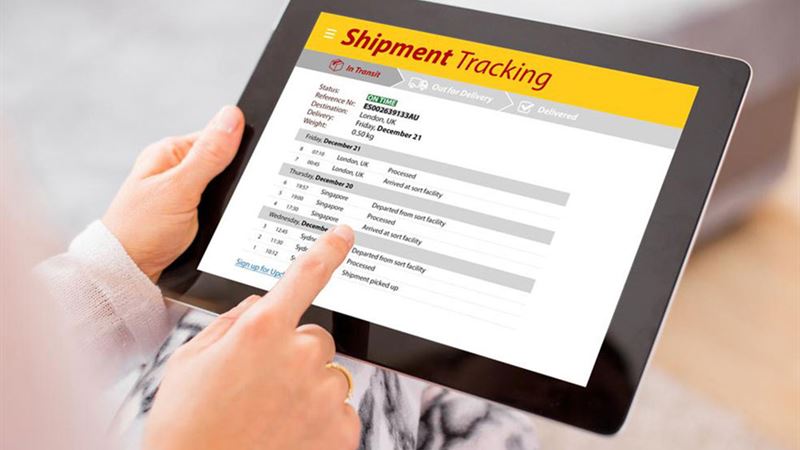
In today's fast-paced world, the logistics of parcel delivery has become more advanced and efficient than ever before. The process of managing countless shipments daily relies heavily on cutting-edge technology, digital systems, and streamlined procedures that ensure packages reach recipients promptly and accurately. The seamless coordination among courier companies, drivers, sorting facilities, and technology infrastructure makes it possible for consumers to enjoy real-time updates on their parcels' whereabouts, fostering a new level of transparency and trust in the delivery process.
One of the key innovations driving this efficiency is the utilization of barcode systems. Every package is marked with a unique barcode label that is crucial for tracking its journey. When a courier picks up or sorts your package, they scan this barcode using mobile devices or scanners at various checkpoints. This simple act feeds vital information into a centralized database, updating the location and status of the parcel instantaneously. So how exactly does this system work, and what are the specific steps involved in the tracking process? Let's delve into the details.
Initially, when a package is prepared for shipment, it is assigned a distinctive barcode label. This label contains a combination of alphanumeric characters that act as a digital fingerprint for the parcel. The barcode encodes essential details such as the destination address, postal code, and sometimes additional information like service type or handling instructions. When the courier receives the package, they scan the barcode, which registers the package into the company's tracking system. From that moment, every movement — from sortation centers to transportation vehicles and delivery routes — is meticulously logged by scanning at each stage.
Throughout the delivery process, the package travels through various nodes—distribution centers, regional hubs, transit points, and finally, the delivery vehicle heading toward the recipient’s address. Each of these points involves scanning the barcode to record the package's exact location. Advanced handheld scanners used by logistics personnel update the package's current status in real-time, allowing the tracking system to generate a live map of the package's whereabouts. This continuous data flow ensures transparency for customers, who can access detailed tracking information via websites, mobile apps, or automated email alerts.
The importance of barcode scanning in logistics cannot be overstated. It reduces human error, ensures timely updates, and accelerates the sorting and delivery process. Moreover, many companies now employ RFID (Radio Frequency Identification) technology alongside barcodes to further enhance tracking capabilities. RFID tags allow for faster scanning without the need for direct line-of-sight and enable bulk reading of multiple packages simultaneously, increasing efficiency even further.
In addition to tracking, these systems also help manage inventory and optimize delivery routes. Algorithm-based planning tools analyze package volumes, traffic patterns, and delivery windows to determine the most efficient routes for drivers, reducing fuel consumption and ensuring punctual deliveries. Overall, the integration of barcode technology, real-time data updates, and intelligent route planning forms the backbone of contemporary courier services and logistics networks.
For recipients, this technological infrastructure translates into the ability to monitor their packages throughout transit, from dispatch to doorstep. Many courier companies offer mobile apps that provide push notifications when a package moves to a new stage or is about to arrive. This real-time tracking empowers customers with peace of mind and the flexibility to plan accordingly. It also facilitates better communication in case of delays, reroutes, or delivery issues, thus enhancing customer satisfaction and operational reliability across the entire delivery ecosystem.