
Unlocking the Power of Mobile Tracking Solutions: Top Advantages for Daily Life and Business
Discover the comprehensive benefits of mobile tracking systems, including safety, health, emergency response, and logistics. Learn how these technologies improve daily life and streamline business operations through real-time location data, health monitoring, and enhanced security features. Embrace the future of connected technology for safer, healthier, and more efficient living and working environments.
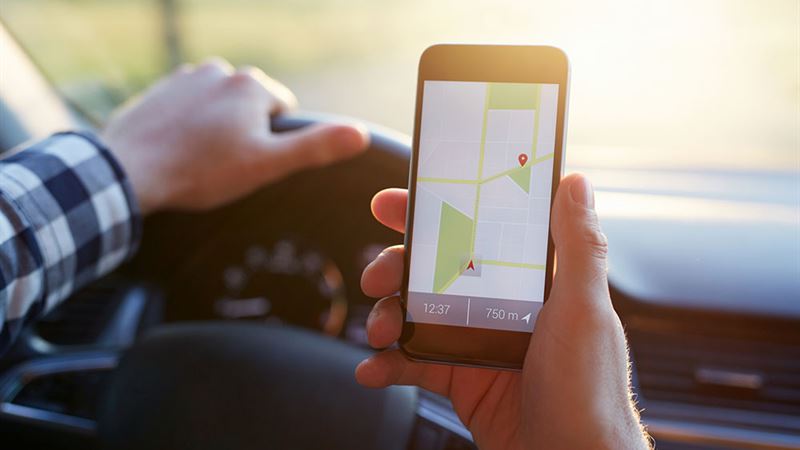
Mobile tracking technology has revolutionized the way individuals and organizations manage safety, health, logistics, and productivity. As smartphones and connected devices become more sophisticated, the capabilities of tracking systems continue to expand, offering a wide range of benefits that enhance our daily lives. From ensuring the safety of loved ones to optimizing business operations, mobile tracking tools are becoming indispensable in modern society. This comprehensive guide delves into the numerous advantages of these systems, highlighting their role in improving safety, health, time management, emergency response, and supply chain efficiency.
1. Enhanced Safety and Security
One of the most significant benefits of mobile tracking systems is bolstering safety and security for users of all ages. In emergency situations such as natural disasters, accidents, or unforeseen incidents, these technologies provide real-time location data to loved ones, emergency responders, and authorities. This immediate access to location information allows for faster rescue efforts and better coordination during crises.
For parents, mobile tracking offers peace of mind by enabling real-time monitoring of children's whereabouts. Most systems also incorporate geo-fences, which are virtual boundaries set up around specific locations such as schools or parks. If a child leaves these predefined zones, caregivers receive instant alerts, allowing them to respond promptly. Such geo-alert features are essential in preventing abductions, ensuring children's safety, and reassuring anxious parents about their kids' whereabouts.
In addition to safeguarding children, mobile tracking is invaluable for monitoring elderly family members, especially those with chronic health conditions or cognitive impairments. By continuously tracking their location, family members can be alerted if they wander or require urgent assistance. Moreover, these systems help locate lost or stolen smartphones swiftly, minimizing risks related to data breaches or identity theft. Many tracking solutions also include anti-theft features, such as remote locking or data wiping, safeguarding personal information in case of device theft.
2. Promoting Health and Wellness
Modern smartphones equipped with advanced tracking and sensing capabilities have transformed personal health management. These devices come with integrated applications and sensors that continuously monitor various health metrics, empowering users to take charge of their wellness. Whether you're aiming to improve fitness levels or manage chronic conditions, mobile tracking plays a pivotal role in guiding your health journey.
Fitness trackers and health apps can measure step count, distance traveled, calories burned, sleep quality, heart rate, and even oxygen saturation levels. By analyzing this data, users gain detailed insights into their daily activity patterns and overall health status. Over time, this information helps identify trends, set realistic goals, and track progress effectively.
One of the key advantages of these technologies is the ability to receive instant feedback. Users can set personalized alerts to remind them to stay active or alert them if they haven't moved for a specified period. Pairing smartphones with smartwatches, fitness bands, or wearable sensors embedded in clothing or footwear enhances data accuracy and user engagement.
Furthermore, these devices often integrate with third-party health platforms, online fitness communities, and medical devices such as heart rate monitors. This interconnected ecosystem encourages users to stay motivated, adopt healthier lifestyles, and even share their health data with healthcare professionals for more informed diagnoses or treatment plans.
3. Improving Time Management and Productivity
Effective time management is crucial for personal success and professional productivity. Mobile tracking systems assist users in optimizing their daily routines by providing insights into how they allocate their time and utilize their devices. By monitoring screen time and app usage patterns, individuals can identify distractions, set appropriate limits, and eliminate time-wasting activities.
Many smartphones now include built-in features that log app usage, notify users when they exceed predefined limits, or suggest scheduled breaks to reduce screen fatigue. These tools help cultivate better digital habits and maintain a healthy work-life balance. Additionally, mobile tracking can support planning and scheduling by offering location-based reminders, calendar integrations, and route optimization for commutes or appointments.
For professionals, especially those in logistics, delivery, or sales, real-time location tracking is essential for coordinating tasks, managing schedules, and ensuring timely deliveries. Managers can monitor field staff, assign tasks dynamically based on current locations, and analyze route efficiencies for cost savings. This improves overall workflow and customer satisfaction.
Students and freelancers benefit by using tracking apps to block distracting sites or applications during work hours, enabling focused productivity. This discipline fosters better concentration and results in higher-quality outcomes. Overall, mobile tracking tools are vital in establishing efficient routines, reducing stress, and enhancing personal and organizational performance.
4. Rapid Emergency Response and Disaster Management
In critical situations, the ability to quickly locate individuals or assets can be a lifesaver. Mobile tracking solutions have become essential components in emergency response strategies, allowing first responders to access accurate, real-time location data. This capability dramatically improves the efficiency of rescue operations, especially in challenging terrains or densely populated areas.
During natural disasters such as earthquakes, floods, or hurricanes, mobile tracking systems can disseminate alerts and safety instructions to the affected populations. Emergency management agencies leverage these systems to coordinate evacuation plans, monitor the movement of distressed individuals, and deploy resources where needed most.
Many tracking apps include built-in emergency alert buttons enabling users to signal distress instantly. Such alerts can automatically notify designated contacts, emergency services, or disaster response teams with precise location details. These features are vital in scenarios where individuals are incapacitated, disoriented, or unable to communicate through traditional channels.
The integration of these systems into national and community disaster preparedness plans ensures a more resilient response framework, saving lives and reducing injuries. As technology advances, the accuracy, speed, and reliability of mobile tracking are expected to further enhance crisis management capabilities worldwide.
5. Streamlining Logistics and Supply Chain Operations
In the realm of business, especially in logistics, transportation, and supply chain management, time and resource optimization are critical. Mobile tracking systems offer comprehensive solutions that improve the efficiency of shipments, inventory management, and delivery timelines. By providing precise location data of vehicles, containers, and inventory, these systems facilitate real-time decision-making and proactive problem-solving.
Businesses can monitor assets across multiple locations, identify delays early, and reroute shipments to avoid traffic or adverse conditions. Integrating tracking solutions with warehouse management and inventory systems enables companies to maintain optimal stock levels, reduce wastage, and minimize shortages.
Furthermore, predictive analytics based on tracking data can forecast potential delays, allowing companies to notify customers and adjust delivery schedules accordingly. This transparency enhances customer satisfaction and trust. For inventory management, mobile tracking data helps maintain accurate stock counts, reduces overstocking or understocking, and improves overall supply chain agility.
Transportation companies also benefit from improved fuel efficiency and route planning, reducing operational costs. The automation of tracking and reporting processes minimizes manual oversight, streamlines workflows, and boosts overall productivity. As global commerce becomes more complex, the deployment of advanced mobile tracking solutions will continue to be a vital competitive advantage.
With ongoing innovation in GPS accuracy, IoT integration, and data analytics, supply chain operations are expected to become even more efficient, resilient, and responsive.
Conclusion
The evolution of mobile tracking systems has fundamentally changed how individuals and organizations approach safety, health, time management, emergency responsiveness, and logistics. From personal safety features like geo-fencing and real-time alerts to complex logistics solutions for businesses, these technologies offer unmatched advantages. As these systems become more sophisticated, respecting user privacy and data security remains paramount, ensuring that technological benefits do not come at the expense of personal rights. Embracing mobile tracking now is essential for staying ahead in an increasingly connected world, harnessing its full potential to enhance safety, productivity, and efficiency across all sectors.