
Innovative Shipping Container Homes: Advantages and Essential Buying Strategies
Discover the numerous advantages of shipping container homes, including durability, eco-friendliness, and affordability. This guide provides essential tips for buyers to ensure they select quality containers and reliable vendors. Learn how to adapt these innovative structures to your lifestyle, budget, and local regulations, making them an excellent sustainable housing solution for all. Whether you seek a compact, personalized home or a large modular residence, container homes offer unparalleled flexibility and environmental benefits to modern homeowners.
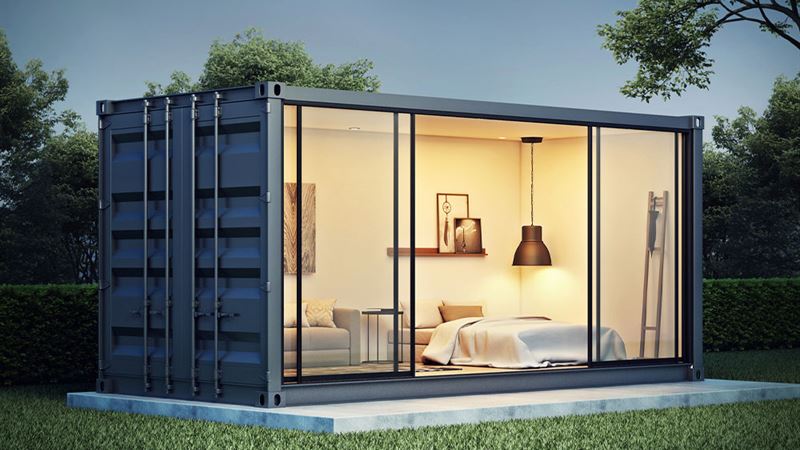
Low Maintenance and Durability
One of the significant advantages of using shipping containers for housing is their robustness. Designed to withstand harsh oceanic conditions, these containers are inherently sturdy and weather-resistant. Consequently, homes built from these containers demand less upkeep compared to traditional brick-and-mortar structures. Their metal frameworks resist pests, mold, and deterioration, leading to long-term savings on repair and maintenance costs. Moreover, with proper treatment and insulation, they maintain structural integrity for many years, making them a reliable investment.
Exceptional Versatility and Modular Design
Shipping containers are highly adaptable, allowing for multiple configurations and creative architectural designs. They can be stacked vertically or arranged side by side to create expansive living spaces, multi-room homes, or even commercial establishments. Their modular nature facilitates easy expansion and customization, letting homeowners design spaces tailored to their unique preferences. Developers often combine different sizes and shapes of containers with other construction materials like wood, concrete, or glass, producing aesthetically striking and functional residences that stand out in any neighborhood.
Eco-Friendly Construction and Sustainability
Building with recycled containers is a sustainable choice that reduces waste and minimizes environmental impact. These homes can significantly lower carbon footprints by incorporating energy-efficient components such as solar panels, high-performance insulation, and energy-saving windows. Additionally, repurposing old shipping containers prevents them from ending up in landfills, promoting sustainable practices within the housing industry. For environmentally conscious buyers, these features contribute to long-term savings on utilities and lessen their eco-impact.
Cost-Effectiveness and Affordable Housing Solutions
Compared to traditional homes, shipping container dwellings often come at a lower initial cost, making them accessible for first-time buyers, retirees, or those seeking affordable housing options. Many sellers and builders list container homes at competitive prices, with detailed specifications about size, layout, and design options. These affordable prices do not compromise quality, especially when choosing established vendors with a track record of delivering durable, well-constructed homes. For budget-conscious buyers, this makes shipping container homes a practical and attractive alternative to conventional housing.
Rapid Construction Timeline
The construction process for shipping container homes is significantly faster than traditional building methods. As the main structural elements are pre-fabricated and readily available, numerous projects can be completed within weeks rather than months. This swift turnaround reduces labor costs and minimizes disruption, making these homes suitable for urgent housing needs or remote locations. Still, the complexity of larger, custom designs might extend the timeline, but overall, container homes are a swift solution for those seeking quick habitation.
Personalized Design and Architectural Flexibility
One of the most appealing features of shipping container homes is the ability to personalize both the interior and exterior extensively. Buyers can choose layouts, finishes, colors, and insulation systems to meet their preferences. The option to integrate large windows, skylights, and patios enhances aesthetic appeal and functionality. Whether a minimalist tiny house or a spacious family residence, containers can be tailored to suit any lifestyle or environmental condition, offering a unique blend of form and function that traditional buildings often lack.
Smart Tips for Purchasing Shipping Container Homes
While the idea of owning a container home is appealing, prospective buyers should approach the purchase process with due diligence. Making informed decisions ensures that the investment yields a durable and comfortable residence, avoiding costly mistakes or future problems. Here are essential tips to consider:- Choose Reputable Manufacturers and Vendors It's critical to work with vendors who have proven experience in designing and constructing shipping container homes. Review their portfolios, seek references, and verify their credentials to ensure reliability and quality craftsmanship. A reputable company will also provide comprehensive support, from planning to installation.
- Inspect Container Condition Thoroughly If purchasing used containers, meticulously examine their condition. Look for signs of rust, water damage, mold, or structural defects. Containers should be sturdy, free from significant damage, and adequately treated to prevent corrosion. This inspection helps prevent future maintenance issues, ensuring longevity and safety.
- Assess Size and Floor Plan Suitability Determine your space requirements carefully. Container homes come in various sizes, from single units to multi-container configurations. Consider your lifestyle, family size, and future expansion plans to select a suitable design. Proper planning ensures your home remains comfortable and functional over time.
- Review Container History and Usage When opting for second-hand containers, inquire about their previous usage. Find out where and how long they were used, as well as whether they were involved in any toxic cargo or exposed to harsh elements. Understanding their history helps evaluate their remaining lifespan and suitability for residential purposes.
- Adhere to Local Building and Zoning Regulations Many regions have specific rules governing alternative housing types. Ensure your planned container home complies with local building codes, zoning laws, and permit requirements. Ignoring regulations can result in fines or forced removal, so consult local authorities early in the planning process.
- Evaluate Climate Compatibility and Insulation Needs Consider the climate zone you are in. Extreme temperatures or high humidity may necessitate additional insulation, climate control systems, or protective coatings. Proper adaptation ensures your home remains comfortable and energy-efficient throughout the year.
- Incorporate Energy-Efficient Features To maximize sustainability, include features like solar panels, high-efficiency HVAC systems, and energy-saving windows. These additions reduce utility bills, minimize environmental impact, and enhance the overall value of your home.
- Account for Additional Costs Beyond the Purchase Price Remember to budget for transportation, site preparation, foundation work, utility connections, and interior finishing. These expenses can accumulate quickly, so comprehensive planning is essential to prevent budget overruns.
- Select a Skilled and Experienced Builder When choosing a construction partner, prioritize firms with extensive experience in container home projects. Review their previous work, communicate your requirements clearly, and verify their reputation. A skilled builder can transform your vision into reality with quality craftsmanship and adherence to deadlines.