
Innovative Prefab Housing Solutions for Elderly Living: Comfort, Affordability, and Accessibility
Discover the benefits of prefabricated homes for seniors, including affordability, quick construction, customization options, and energy efficiency. This guide explores various types of prefab housing suitable for aging in place, cost considerations for 2024, and key design features tailored to meet seniors' needs. Learn how these innovative homes can provide a safe, comfortable, and low-maintenance lifestyle, making them an excellent choice for retirement or downsizing.
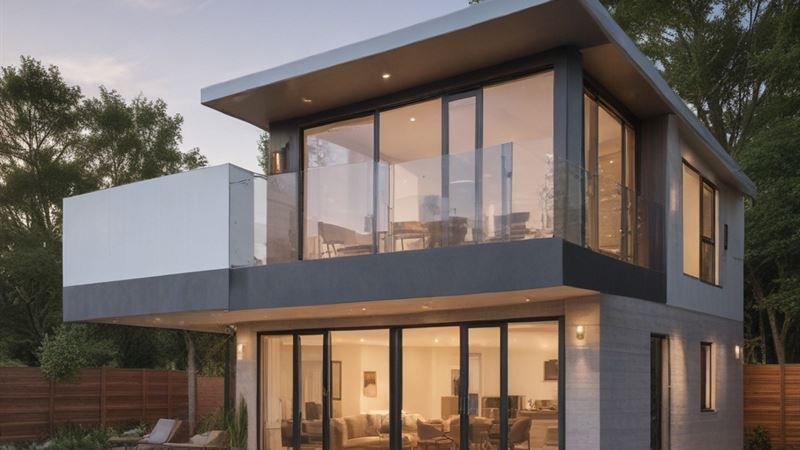
The Rise of Prefabricated Homes for Senior Citizens
Over recent years, the demand for affordable, durable, and accessible housing options has skyrocketed among the senior community. Prefabricated homes, often referred to as prefab houses, are quickly gaining popularity owing to their scalability, customizable features, and faster construction times. These homes are manufactured off-site in controlled environments and assembled on-location, minimizing delays caused by weather or labor shortages. Such efficiency reduces overall costs and accelerates the move-in process, which is especially advantageous for seniors eager to settle into their new homes swiftly.
Many seniors face challenges associated with traditional homeownership, including high maintenance costs, inaccessible layouts, and energy inefficiencies. Prefab homes address these concerns directly by offering modern, low-maintenance materials, single-story designs, and energy-saving features. Additionally, builders now provide design flexibility to incorporate features that promote safe aging in place, such as wider doorways, zero-threshold showers, and ramps. With a wide variety of models available, seniors can choose homes that match their preferences, lifestyle needs, and budget considerations.
Advantages of Prefabricated Homes for Senior Living
- Cost-Effectiveness: Compared to traditional construction, prefab homes typically cost less due to reduced labor and material expenses. For seniors on fixed incomes, affordable homeownership becomes achievable, making these houses a smart investment.
- Expedited Construction Timeline: Prefab homes can often be built in a matter of weeks or months, a significant benefit for those eager to transition smoothly into their new living space. This rapid process minimizes the stress associated with prolonged construction periods.
- Energy Efficiency: Many prefab homes are constructed with high-grade insulation, energy-efficient windows, and appliances, leading to marked reductions in utility bills. For seniors, lower maintenance costs extend beyond initial investment, optimizing long-term affordability.
- Design Flexibility and Customization: Homeowners can work with manufacturers to adapt layouts for accessibility and convenience. Options include wider doorways, ramps, walk-in showers, and strategic placement of safety features, enabling seniors to age comfortably and safely in their homes.
- Minimum Maintenance Requirements: Prefab houses utilize durable, modern materials that resist wear and tear, reducing the need for frequent repairs. This benefit is particularly important for seniors who prefer to spend their time enjoying their homes rather than maintaining them.
- Environmental Sustainability: Green building practices are integrated into many prefab homes, including the use of eco-friendly materials and energy conservation systems. For environmentally conscious seniors, these options allow greener living without compromising comfort.
Various Types of Prefabricated Homes Suitable for Seniors
The array of prefab housing options allows seniors to select a model that aligns with their spatial, financial, and lifestyle preferences. Below are some notable types:
| Prefab Home Type | Description | Seniors’ Key Benefits |
|---|---|---|
| Modular Homes | Constructed in sections at the factory and assembled on-site, modular homes offer high levels of customization and flexibility. | Designed to meet local building codes, energy-efficient, and adaptable for various accessibility needs. |
| Manufactured Homes | Built on a permanent chassis, these homes are often more budget-friendly and typically single-story. | Cost-effective, mobility-friendly, and easier to navigate for seniors with movement limitations. |
| Panelized Homes | Fabricated using large wall panels assembled on-site, this type accelerates construction and offers design versatility. | Quick installation, customizable layouts, and energy-efficient features tailored for elder care. |
| Tiny Homes | Compact and minimalist, tiny homes are ideal for downsizing and simplifying living arrangements. | Affordable, low-maintenance, and perfect for those wanting to age in a smaller, manageable space. |
| Container Homes | Repurposed shipping containers fashioned into modern living spaces, emphasizing sustainability. | Eco-friendly, innovative designs, and suitable for environmentally-conscious seniors seeking a modern lifestyle. |
Cost Estimates for Prefab Housing in 2024
The cost of prefabricated homes varies based on size, design complexity, materials used, and customization options. On average, prefab homes range from $50 to $200 per square foot. In contrast, traditional homes can range from $150 to over $400 per square foot. Factors influencing costs include interior finishes, accessibility modifications, and additional features tailored for seniors.
Below is a detailed breakdown of typical costs for various prefab models in 2024:
| Home Type | Average Price Range | Customization Expenses | Total Approximate Cost |
|---|---|---|---|
| Modular Homes | $100,000 – $250,000 | $20,000 – $50,000 | $120,000 – $300,000 |
| Manufactured Homes | $50,000 – $150,000 | $15,000 – $40,000 | $65,000 – $190,000 |
| Panelized Homes | $70,000 – $180,000 | $10,000 – $30,000 | $80,000 – $210,000 |
| Tiny Homes | $30,000 – $80,000 | $5,000 – $15,000 | $35,000 – $95,000 |
| Container Homes | $50,000 – $100,000 | $10,000 – $25,000 | $60,000 – $125,000 |
Senior-Oriented Features and Design Elements
To make prefabricated homes truly suitable for seniors, manufacturers incorporate various features aimed at safety, ease of use, and comfort:
- Single-Story Floor Plans: Homes are predominantly designed without stairs, simplifying movement throughout the house, and reducing fall risks.
- Accessible Bathrooms: Custom bathrooms with walk-in showers, grab bars, and slip-resistant flooring enhance safety and independence.
- Wider Doorways and Hallways: These accommodate wheelchairs or walkers, allowing for effortless navigation.
- Energy-Efficient Design: Features like high-grade insulation, energy-efficient windows, and appliances help keep utility costs manageable.
- Low-Maintenance Materials: Use of durable sidings, roofing, and finishes reduces ongoing upkeep, freeing seniors from frequent repairs.
Important Factors to Consider When Selecting a Prefab Home for Seniors
While prefabricated housing presents numerous benefits, seniors should evaluate key considerations to make informed decisions:
- Location and Community Regulations: Research local zoning laws, restrictions, and community requirements regarding prefab housing. Proximity to healthcare, shopping, and recreation enhances quality of life.
- Financial Options and Lending: Explore specialized loan programs for prefab homes, including government-supported FHA loans, to ensure affordability and manageable payments.
- Design Compatibility and Future Needs: Customization should focus on long-term accessibility, anticipating future mobility changes or health considerations.
- Resale Value and Market Considerations: Understand the market trends for prefab homes in the target area, especially regarding modular versus manufactured property values.
Prefabricated homes offer an ideal marriage of affordability, comfort, and sustainability for the senior community. With diverse options and a growing focus on accessible design, these housing solutions enable seniors to enjoy their retirement with dignity and convenience. Whether opting for a modular, tiny, or container home, the potential for personalized, cost-effective, and energy-efficient living makes prefab housing an excellent choice for aging in place.
References:
- U.S. Department of Housing and Urban Development: https://www.hud.gov
- Manufactured Housing Institute: https://www.manufacturedhousing.org
- Modular Home Builders Association: https://www.modularhousing.com