
Comprehensive Guide to Understanding and Managing Seborrheic Dermatitis: Causes, Symptoms, and Effective Treatments
This comprehensive article explores seborrheic dermatitis, highlighting its causes, symptoms, risk factors, and effective treatment strategies. Learn how to identify early signs, understand underlying causes, and adopt both medical and home remedies to manage the condition. Early intervention and preventive care can help prevent complications like hair loss, improve comfort, and boost confidence. The article provides valuable insights for those affected or seeking to maintain healthy skin, emphasizing professional guidance and lifestyle adjustments for optimal results.
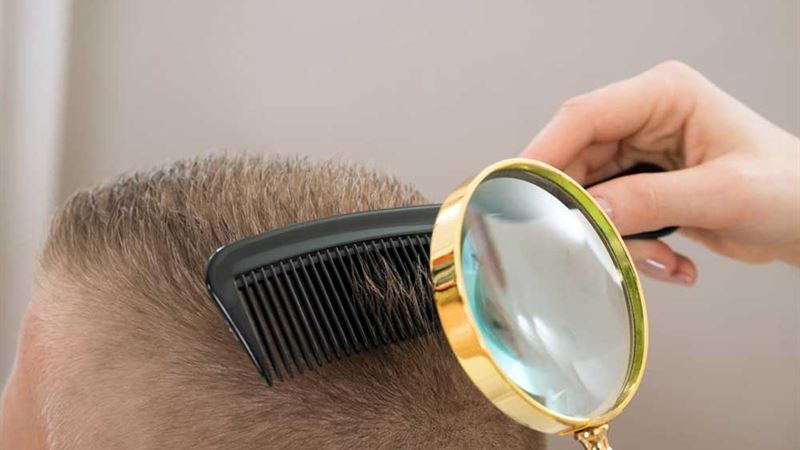
Discover in-depth insights into seborrheic dermatitis, a common yet often misunderstood skin condition. This extensive guide explores the causes, symptoms, risk factors, and treatment options to help you manage and prevent this issue effectively. Learn how factors like yeast overgrowth, immune responses, and lifestyle can influence the development of seborrheic dermatitis. Recognize the early signs such as dandruff, redness, and itching, and explore both medical interventions and home remedies. Empower yourself with knowledge to reduce symptoms, prevent flare-ups, and maintain healthy skin. This article aims to provide comprehensive information for those affected or seeking preventive measures.
Seborrheic dermatitis is a chronic skin disorder characterized by flaky, greasy patches that often appear on the scalp, face, and other body regions. While it is generally harmless, its symptoms can cause discomfort and impact self-esteem if not managed appropriately. Although its precise cause remains elusive, medical research indicates that yeast overgrowth, immune responses, and genetic factors play significant roles. Understanding these underlying factors can lead to better management strategies and reduce the risk of flare-ups.
**Symptoms of Seborrheic Dermatitis**
Recognizing the symptoms early can significantly improve treatment outcomes. Common signs include:
Recognizing the symptoms early can significantly improve treatment outcomes. Common signs include:
- Persistent dandruff or flaky skin on the scalp, eyebrows, beard, or mustache.
- Greasy skin patches with white or yellowish scales or crusts, often appearing on the scalp, around the nose, face, eyelids, ears, chest, and other areas prone to oiliness.
- Redness or inflammation of affected skin regions.
- Itching, which can vary from mild to severe.
**Understanding the Causes of Seborrheic Dermatitis**
Despite extensive studies, the exact cause remains unidentified. However, researchers have identified several factors associated with its development:
Despite extensive studies, the exact cause remains unidentified. However, researchers have identified several factors associated with its development:
- Malassezia yeast: A type of fungus naturally residing on the skin that can proliferate excessively, leading to inflammation.
- Immune system irregularities: An abnormal immune response can trigger or exacerbate the condition.
- Genetic predisposition: Family history may increase susceptibility.
- Environmental factors: Stress, cold weather, and humidity levels can influence symptoms.
- Lifestyle factors: Poor hygiene, stressful life events, and diet may play roles.
**Risk Factors for Developing Seborrheic Dermatitis**
Certain populations are at higher risk of developing this skin disorder. These include:
Certain populations are at higher risk of developing this skin disorder. These include:
- Individuals suffering from neurological conditions such as Parkinson’s disease.
- People with weakened immune systems, including those living with HIV/AIDS or undergoing immunosuppressive therapy.
- Patients recovering from major illnesses like heart attacks or severe infections.
- Individuals under significant stress or experiencing high levels of physical or emotional stress.
- People with oily skin or genetic predisposition towards skin conditions.
**When and Why to Consult a Healthcare Professional**
While mild cases can often be managed with over-the-counter remedies, you should seek medical advice if:
While mild cases can often be managed with over-the-counter remedies, you should seek medical advice if:
- Your symptoms worsen or do not improve with home treatment.
- The affected skin becomes infected or shows signs of secondary bacterial infection.
- Persistent redness, swelling, or pain occurs.
- You experience excessive hair loss alongside skin symptoms.
- Symptoms interfere with daily activities or cause significant discomfort.
**Effective Self-Care and Treatment Strategies**
Managing seborrheic dermatitis involves both medical and home approaches. Here are some strategies to consider:
Managing seborrheic dermatitis involves both medical and home approaches. Here are some strategies to consider:
- Medicated Shampoos: Use antifungal or anti-inflammatory shampoos containing ingredients like ketoconazole, selenium sulfide, or zinc pyrithione.
- Topical Treatments: Apply prescribed creams, ointments, or gels containing corticosteroids or antifungal agents to reduce inflammation and yeast overgrowth.
- Oral Medications: In severe or resistant cases, doctors may recommend antifungal or anti-inflammatory pills.
- Skin Hygiene: Maintain good hygiene, gently cleanse affected areas, and avoid harsh soaps or irritants that can worsen symptoms.
- Stress Management: Engage in relaxation techniques, exercise, and sufficient sleep to support immune health.
- Dietary Adjustments: Maintain a balanced diet rich in vitamins and minerals that support skin health, such as zinc and vitamin B complex.
- Lifestyle Modifications: Minimize exposure to environmental triggers such as extreme cold, humidity, or allergens.
**The Importance of Early Intervention and Prevention**
Seborrheic dermatitis can potentially lead to hair loss if left untreated. Therefore, early recognition of symptoms and prompt treatment are crucial. Preventive measures include maintaining good personal hygiene, managing stress levels, and avoiding known triggers. Regular consultations with dermatologists can help tailor treatments suited to individual needs and reduce the chance of recurrence. Remember, consistent care and professional guidance are key to managing this condition effectively.
Seborrheic dermatitis can potentially lead to hair loss if left untreated. Therefore, early recognition of symptoms and prompt treatment are crucial. Preventive measures include maintaining good personal hygiene, managing stress levels, and avoiding known triggers. Regular consultations with dermatologists can help tailor treatments suited to individual needs and reduce the chance of recurrence. Remember, consistent care and professional guidance are key to managing this condition effectively.
Addressing seborrheic dermatitis thoroughly can significantly improve quality of life, reduce discomfort, and restore confidence. Whether through medical therapies or lifestyle changes, proactive management can lead to healthier, clearer skin. Consult your healthcare provider for personalized advice and treatment options to achieve optimal skin health.