
Eco-Friendly Solutions for Disposing of Old Televisions and Electronic Waste
Discover comprehensive methods for responsibly recycling your old televisions and electronic devices. Learn about e-waste dangers, the importance of recycling, and practical disposal options such as donation, recycling centers, and take-back programs. Proper e-waste management is vital for environmental protection and community health, making sustainability achievable through responsible disposal practices.
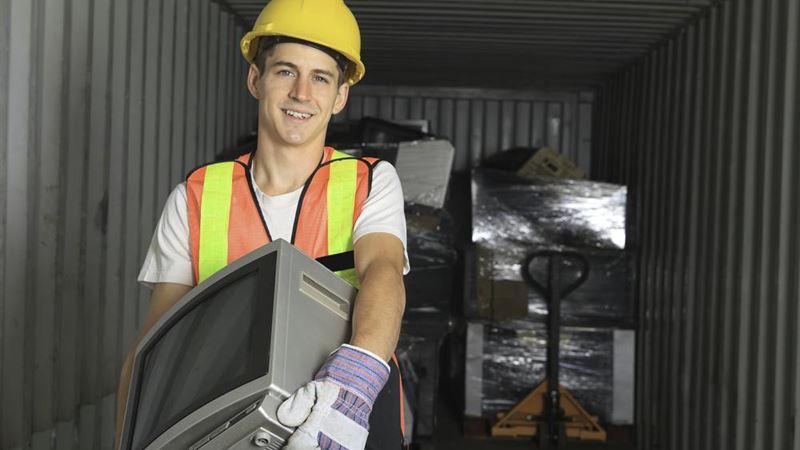
In today's environmentally conscious society, simply discarding old electronics, such as televisions, is no longer an acceptable practice. Instead, adopting responsible disposal methods through proper recycling not only helps conserve our planet’s resources but also mitigates the hazardous effects of electronic waste (e-waste) on health and the environment. Proper disposal and recycling of electronic appliances are critical steps toward sustainable living, reducing pollution, and preventing dangerous toxins from contaminating soil and water sources.
Understanding Electronic Waste (E-Waste)
Electronic waste, or e-waste, encompasses all discarded electronic devices, including televisions, computers, smartphones, and other gadgets that have reached the end of their useful lifespan. Many households store unused or broken electronics, unaware of the potential environmental and health hazards posed by improper disposal. E-waste is unique because it contains valuable metals such as copper, gold, and silver that can be recycled, but it also includes dangerous substances like lead, mercury, cadmium, and chromium. These hazardous materials, if not properly managed, can leach into the soil and infiltrate water supplies, posing severe risks to human health and the environment. It is estimated that millions of tons of e-waste are generated globally each year, making its safe handling one of the most urgent environmental challenges today.
Electronic waste, or e-waste, encompasses all discarded electronic devices, including televisions, computers, smartphones, and other gadgets that have reached the end of their useful lifespan. Many households store unused or broken electronics, unaware of the potential environmental and health hazards posed by improper disposal. E-waste is unique because it contains valuable metals such as copper, gold, and silver that can be recycled, but it also includes dangerous substances like lead, mercury, cadmium, and chromium. These hazardous materials, if not properly managed, can leach into the soil and infiltrate water supplies, posing severe risks to human health and the environment. It is estimated that millions of tons of e-waste are generated globally each year, making its safe handling one of the most urgent environmental challenges today.
The Dangers of Improper E-Waste Disposal
When electronic devices are thrown into regular trash bins, they often end up in landfills where toxic chemicals can seep into the ground. This contamination can affect drinking water sources and enter the food chain, leading to health issues such as neurological damage, respiratory problems, and cancer. Additionally, the release of chlorofluorocarbons (CFCs) from older appliances can harm the ozone layer, exacerbating climate change. Therefore, it is imperative to understand the importance of recycling e-waste properly and to be aware of the environmental and health implications of improper disposal methods.
When electronic devices are thrown into regular trash bins, they often end up in landfills where toxic chemicals can seep into the ground. This contamination can affect drinking water sources and enter the food chain, leading to health issues such as neurological damage, respiratory problems, and cancer. Additionally, the release of chlorofluorocarbons (CFCs) from older appliances can harm the ozone layer, exacerbating climate change. Therefore, it is imperative to understand the importance of recycling e-waste properly and to be aware of the environmental and health implications of improper disposal methods.
The Significance of Recycling Electronic Waste
Recycling transforms used electronic components into valuable raw materials that can be reused to manufacture new products. It reduces the need for mining new metals, conserves finite natural resources, and limits the energy consumption associated with manufacturing. Moreover, recycling prevents hazardous substances from polluting the environment and promotes a circular economy, where waste is minimized, and materials are continually repurposed. On a personal level, recycling encourages responsible consumption, leading individuals to consider the lifespan and disposal methods of their electronic devices before purchasing new ones. This conscientious approach contributes to environmental preservation and can even result in cost savings by reducing unnecessary consumer purchases.
Recycling transforms used electronic components into valuable raw materials that can be reused to manufacture new products. It reduces the need for mining new metals, conserves finite natural resources, and limits the energy consumption associated with manufacturing. Moreover, recycling prevents hazardous substances from polluting the environment and promotes a circular economy, where waste is minimized, and materials are continually repurposed. On a personal level, recycling encourages responsible consumption, leading individuals to consider the lifespan and disposal methods of their electronic devices before purchasing new ones. This conscientious approach contributes to environmental preservation and can even result in cost savings by reducing unnecessary consumer purchases.
Effective Ways to Recycle Your Old Television
Disposing of an outdated or defective television should be done responsibly to ensure environmental safety. There are various practical options to recycle or repurpose your TV:
Disposing of an outdated or defective television should be done responsibly to ensure environmental safety. There are various practical options to recycle or repurpose your TV:
- Drop it off at a local electronic waste recycling center: Many communities operate dedicated facilities where you can safely leave your old TV for proper dismantling and recycling at no cost.
- Schedule a pickup service: Some professional recycling companies or electronics retailers offer pick-up services, which might involve a small fee depending on distance and the size of the device. Typically, charges do not exceed $50.
- Donate or sell: If the television is still functional or can be refurbished, consider donating it to charities, schools, or community centers. Alternatively, list it for sale online as a second-hand or refurbished item, giving another family the chance to benefit from your device.
- Return to manufacturer or retailer: Many manufacturers and retailers have take-back programs to ensure proper disposal and recycling of old electronics. Check their policies online to find out if your TV qualifies for such programs.