
Comprehensive Guide to Responsible Television Disposal and Recycling
This comprehensive guide explores the importance of responsible television recycling, detailing how consumers can extend device lifespan, safely dispose of old TVs, and support environmental sustainability. Learn practical steps, recycling options, and tips for eco-friendly disposal, reducing hazardous waste, and contributing to a cleaner planet. Engage in effective e-waste management and join the movement toward sustainable electronics practices to protect our environment for future generations.
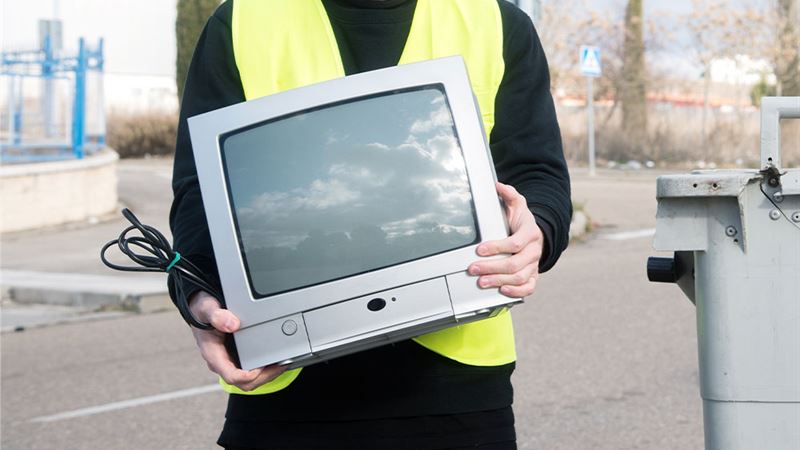
Your Responsibility in Television Recycling
While smaller electronics such as smartphones and laptops often dominate discussions about e-waste, large electronic devices like televisions also contribute substantially to environmental pollution when improperly disposed of. Data indicates that the volume of discarded TVs has increased by roughly 20% since 2015, driven by rapid technological innovation and consumer desire for the latest features. Discarded TVs contain hazardous materials like mercury, cadmium, and brominated flame retardants, which pose serious health and environmental risks if released into landfills.
As a consumer, you play a vital role in reducing this impact. You can choose to delay purchasing new devices until absolutely necessary, improving energy efficiency and longevity of your current electronics where possible. When replacement becomes unavoidable, consider options such as repairing, refurbishing, or reselling your old TV, thereby extending its utility and minimizing waste generation. Participating in community e-waste collection programs or manufacturer take-back initiatives further supports sustainable disposal efforts.
Proper Techniques for Recycling Large Electronics like TVs
Safe handling and transportation are crucial when recycling large electronic items. Damaged televisions may emit toxic substances such as mercury vapor, which can harm both humans and the environment. Therefore, the initial step is to evaluate whether your TV is still functional. If it works, donating it to charities, nonprofits, or community organizations allows others to benefit while reducing waste. This act of reuse not only extends the product's life but also offers potential tax benefits.
If the device is no longer operational, consider trading it in at designated recycling centers or retail outlets—many offer trade-in credits toward new purchases. It’s advisable to confirm with the recycler beforehand whether any fees are applicable for disposal, especially for large screen TVs or models with specialized components. Most reputable recycling centers do not charge for accepting electronics, but some may require minimal fees based on size or weight. Opting for eco-friendly disposal options ensures the hazardous substances are properly managed, protecting both community health and the environment.
What Items Are Usually Accepted for Free Recycling?
When contemplating television recycling, many individuals also seek to dispose of related accessories, and many of these can be recycled at no cost, encouraging more environmentally responsible practices. Common items accepted for free recycling include cables, remote controls, batteries used in backup systems, digital media players, DVD players, Connectors, converters, headphones, projectors, and portable media devices. Recycling these components helps reduce e-waste and recover valuable recyclable materials.
However, certain large-screen TVs—particularly those smaller than 32 inches or flat-panel models under 50 inches—may require a fee for recycling due to their complexity or the presence of hazardous substances. Additionally, professional e-waste disposal services, equipped to handle large electronics safely, typically charge nominal fees for pickup and processing. These centers are staffed by trained personnel who ensure that dangerous components like mercury, lead, and cadmium are safely extracted and disposed of, preventing environmental contamination.
Preparing for TV Recycling: Essential Steps
Before proceeding with television recycling, it’s important to take certain preparatory steps to secure your data and ensure safety. First and foremost, delete all personal information from any connected devices or storage media associated with your TV, such as USB drives or memory components. This step is critical to protect your privacy and prevent unauthorized access to sensitive data.
Next, remove batteries from devices or remote controls, as these may need to be recycled separately and could pose safety hazards if damaged during transport. Properly packaging your electronic devices to prevent damage during transit is also recommended. If your TV is still functional, consider donating it to charitable organizations, schools, or community centers to maximize its utility. If not, arrange for a certified recycling service that follows environmental and safety standards, ensuring hazardous materials are managed responsibly.