
Essential Guide to Choosing the Perfect Air Purifier for Your Home
This comprehensive guide offers valuable insights into selecting the right air purifier for your home. It covers various filtration technologies, maintenance tips, and top online resources to make an informed purchase. Perfect for those seeking cleaner indoor air, especially in polluted environments, it emphasizes health benefits for children, allergy sufferers, and urban dwellers. Learn how to choose, maintain, and optimize your air purifier for maximum effectiveness and a healthier living space.
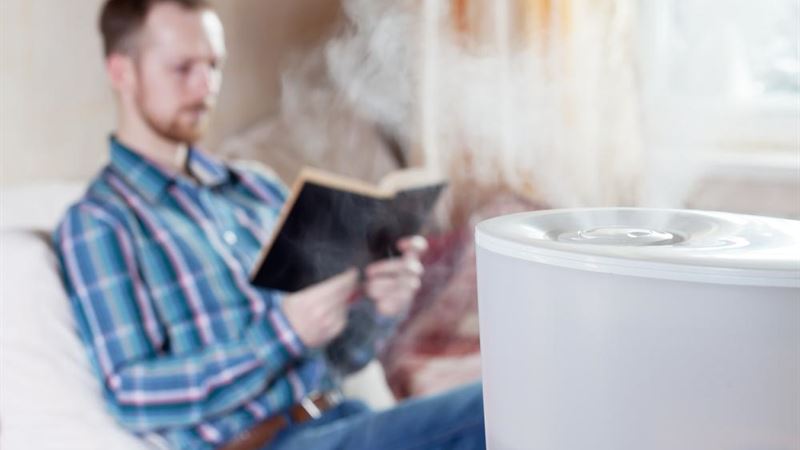
In today’s world, with rising environmental pollution, indoor air quality has become more critical than ever. The increasing levels of pollutants indoors can significantly impact health, especially for vulnerable groups such as children, the elderly, or individuals with pre-existing respiratory conditions. As awareness grows, so does the demand for efficient air purification solutions tailored to individual needs. This comprehensive guide aims to assist consumers in making informed decisions when selecting the best air purifiers for their homes, considering various factors such as technology, filtration methods, maintenance, and product options available in the market.
Over recent years, many studies have highlighted the profound differences between outdoor and indoor air quality. Research indicates that indoor environments can harbor pollutants at levels two to five times higher than outdoor spaces, especially in densely populated urban areas. These pollutants include volatile organic compounds (VOCs), gases, airborne chemicals, allergens like pollen and pet dander, dust mites, mold spores, and bacteria. These airborne particles can pose serious health risks, especially for those with allergies, asthma, or compromised immune systems.
Children are particularly susceptible because their developing respiratory systems are more vulnerable to pollutants. Extended exposure can lead to health issues such as allergies, asthma, or other respiratory diseases. Homes with young children need to incorporate effective air purification systems to create a safer indoor environment. Similarly, living near busy roads or in industrial zones introduces additional airborne contaminants, making air purifiers an essential part of maintaining a healthy household environment.
When researching options for the best air purifiers, it's vital to consult reputable sources and websites that offer comprehensive reviews, ratings, and detailed product information. Here’s a curated list of trusted online platforms known for providing reliable and current data on air purifiers:
- CleanAir4Life.com: This website offers an extensive selection of air purifiers across various brands and categories. It provides detailed descriptions of different models, including those designed for allergy relief, mold removal, or general air cleaning with HEPA filters. Their platform also features a dedicated section for replacement parts and filters, ensuring users can maintain and optimize their devices. The blog section keeps visitors updated with the latest news, reviews, and buying tips based on consumer ratings and expert evaluations.
- AirPurifiers.com: With a user-friendly interface, this site categorizes products by room size, brand, and functionality, helping consumers find suitable solutions easily. It includes detailed product manuals, comprehensive reviews, and a learning center that educates users on how to select the right purifier based on various factors such as room layout, pollution levels, and specific needs like odor removal or allergen filtering. Customer support is robust, with FAQs, contact options, and maintenance advice.
- U.S.AirPurifiers.com: This platform allows shoppers to filter options based on price, size, usage, and brand preferences. It offers a wide range of filters and replacement parts compatible with popular models, ensuring longevity and effective operation. The site also features blogs and reviews focusing on cleaning tips, filter maintenance, and product comparisons to aid buyers in making informed choices.
Creating a user account on these websites can grant access to exclusive deals, updates on new product launches, and special offers. Signing up also allows for personalized recommendations based on your specific indoor air quality needs.
Understanding the different types of filtration technologies is crucial when choosing an air purifier. Here’s a detailed overview of the primary filtering mechanisms used in modern devices:
- HEPA Filtration: High-Efficiency Particulate Air (HEPA) filters are considered the gold standard in air cleaning technology. These filters operate by trapping particles as small as 0.3 microns with an efficiency of 99.97%. The filter media is made of densely packed fibers arranged in a pleated manner, forming a vast surface area to capture dust, pollen, pet dander, smoke particles, and even some bacteria. HEPA filters are especially recommended for allergy sufferers and individuals with respiratory conditions.
- Activated Carbon Filtration: Utilized primarily for odor removal and chemical absorption, activated carbon filters are created from porous materials that adsorb gases and volatile organic compounds. These filters are highly effective at eliminating cigarette smoke, cooking odors, and chemical vapors from household cleaners. They are often used in conjunction with HEPA filters to provide comprehensive indoor air purification, especially in environments with high pollutant loads.
- Ultraviolet (UV) Light Technology: UV light purifiers are designed to neutralize biological contaminants such as viruses, bacteria, and mold spores. These systems often combine UV lamps with particulate filters. When air passes through, UV irradiation destroys the DNA or RNA of microorganisms, rendering them harmless. This technology is excellent for reducing airborne germs but does not remove dust or chemical pollutants on its own.
- Negative Ion Technology: Negative ion purifiers release charged ions into the air, which attach to airborne particles, causing them to clump together and settle out of the air or be captured by filters. While useful for reducing some allergens, these devices may generate ozone as a byproduct, which could be problematic for sensitive individuals. Their primary benefit lies in improving immediate air freshness without the need for traditional filters.
Proper maintenance and timely replacement of filters are vital to ensure optimal performance of air purifiers. Here are essential tips to keep your device functioning efficiently:
- Maintain a clean environment around the purifier. Regularly dust and vacuum the area to decrease the load of unseen allergens and prevent the device from working harder than necessary.
- Unplug the unit before inspecting or cleaning. Wipe down exterior grills and panels with a damp cloth to reduce dust buildup which can hinder airflow.
- Follow the manufacturer’s recommended schedule for filter replacement. Clogged filters reduce efficacy and may shorten the lifespan of the purifier.
- Place your air purifier in an open, spacious area to maximize air intake and ensure thorough circulation. Avoid cramped spaces or angles that restrict airflow.
- Regularly check for updates on filter technology and upgrade when necessary to benefit from advancements in air purification.
By understanding these key aspects and maintaining your air purifier properly, you can significantly improve indoor air quality, leading to healthier living conditions for you and your family. Consequently, investing in a good-quality air purifier tailored to your specific needs is a smart step toward safeguarding your health against indoor pollutants, especially in urban or industrial areas.