
Comprehensive Guide to Air Filtration Systems and Air Purifiers for Better Indoor Air Quality
This comprehensive guide explores various air filtration systems and air purifiers, highlighting their benefits, types, and importance in improving indoor air quality. Learn how to choose the right system for your needs, incorporate natural solutions, and maintain a healthy living environment amidst rising pollution concerns.
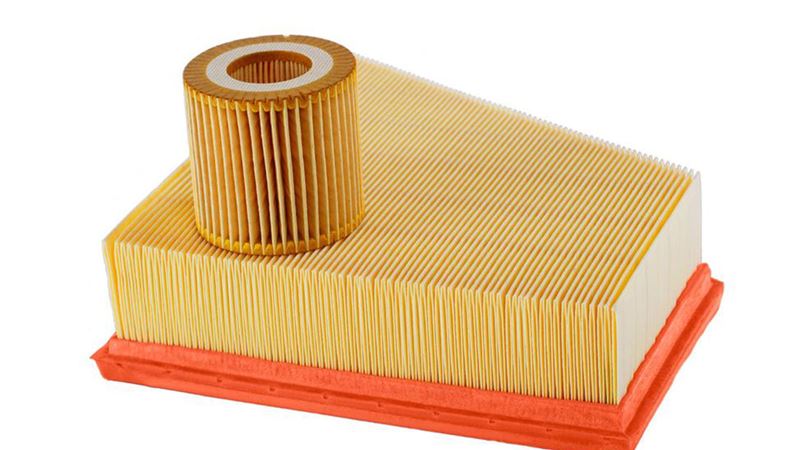
Air purifiers, in particular, have become essential devices in homes, offices, and public spaces, especially for individuals with allergies, asthma, or respiratory sensitivities. These devices use a combination of physical filters, activated carbon, ionization, and sterilization techniques to remove or neutralize pollutants, allergens, and pathogens from indoor air. Additionally, some indoor plants like Chlorophytum comosum are recognized for their natural ability to filter airborne toxins, making them a viable supplement to mechanical systems.
While air filters can be tailored to meet specific needs, the most prevalent types include a variety of sophisticated options designed to optimize air quality:
HEPA Filters – High Efficiency Particulate Air filters are renowned for their exceptional ability to eliminate nearly all microscopic particles. These filters are capable of removing up to 99.97% of airborne pollutants, including dust, pollen, mold spores, pet dander, and cigarette smoke. Composed mainly of fiberglass fibers, HEPA filters are widely used in residential, commercial, and medical environments to ensure clean indoor air.
Ionic Air Filters – These systems generate negatively charged ions which attach to airborne particles, causing them to clump together and fall out of the airflow or be captured by other filters. Ionic purifiers are effective at reducing fine particulate matter and are favored for their quiet operation and low maintenance requirements. They are particularly suitable for spaces where minimal noise is desired, such as bedrooms and offices.
Antibacterial and Germicidal Filters – Incorporating ultraviolet (UV) light technology, these filters target bacteria, viruses, and other microbial contaminants. UV rays neutralize microorganisms by damaging their DNA, preventing reproduction and leading to their destruction. These filters are highly effective but require specific exposure durations to maximize sterilization, making them suitable for environments requiring heightened microbial control, such as hospitals or laboratories.
Fiberglass Filters – One of the most commonly used filter types, fiberglass filters are composed of multiple layers of fiberglass fibers arranged perpendicularly to airflow. They serve as pre-filters, trapping larger particles and prolonging the lifespan of more advanced filtration systems. They are cost-effective and simple to replace, making them a popular choice for general air filtration needs.
Moreover, integrating natural ventilation with mechanical filtration can further enhance indoor air quality. Incorporating plants known for their air-purifying properties, such as spider plants, peace lilies, and Boston ferns, offers a sustainable complement to technological solutions. These plants can remove volatile organic compounds (VOCs) and improve humidity levels, contributing to a healthier indoor environment.