
Extensive Applications and Significance of Metal Detectors in Modern Industries and Hobbies
Metal detectors serve crucial roles in security, archaeology, manufacturing, and hobbies. Their ability to identify metallic objects enhances safety at public venues, aids in the preservation of historical artifacts, ensures product quality in industries, and provides recreational enjoyment. Continuous technological advancements make them more efficient and versatile, benefiting society across various sectors. This comprehensive overview highlights the importance of metal detectors in modern life and their evolving applications for safety, preservation, and recreation.
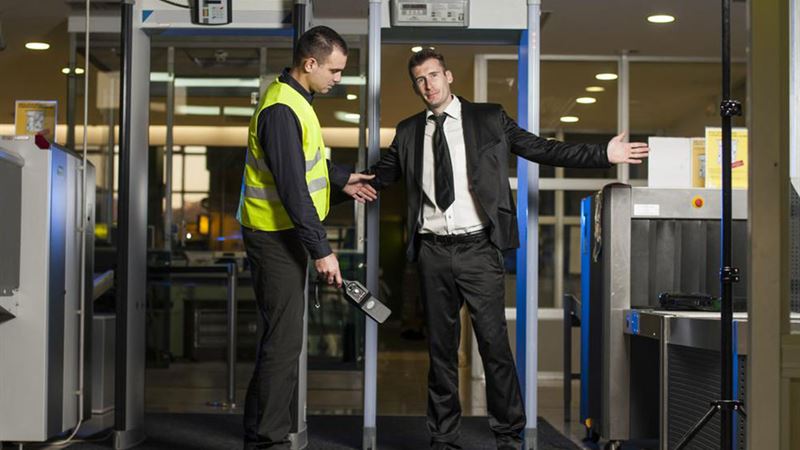
Security and Safety Measures
Among the most prominent uses of metal detectors are security screening processes at airports, subway stations, shopping malls, correctional facilities, courthouses, luxurious hotels, and exclusive clubs. Handheld or walk-through metal detectors are designed to swiftly identify concealed metallic objects, providing a quick and reliable method to prevent unauthorized items from entering sensitive or restricted areas. Their operational efficiency has become an integral part of security protocols worldwide, helping security personnel identify potential threats ranging from weapons to contraband. These devices are engineered to be user-friendly, portable, and highly sensitive, enabling rapid deployment in various environments and ensuring the safety of the public and staff.
Historical and Cultural Preservation through Archaeology
The journey of metal detectors began in earnest in 1958 when military historian Alexander G. Meddings developed a device for battlefield analysis, aiming to detect firing lines in combat zones. Subsequently, their utility expanded dramatically into archaeology, revolutionizing the way ancient sites and artifacts are studied. Archaeologists employ metal detectors to locate artifacts buried beneath surface layers, aiding in the discovery of relics from civilizations long past. However, this use has sparked debates regarding preservation ethics. Unregulated or careless metal detecting can damage archaeological sites, leading many countries to implement strict guidelines and permit only licensed professionals to use such devices on protected areas. The goal is to balance technological advancement with the preservation of cultural heritage, ensuring that artifacts are excavated responsibly and documented meticulously to maintain their historical significance.
Industrial and Manufacturing Applications
The commercialization of metal detectors took a significant leap with their adoption in industrial quality control. The first use of industrial metal detectors was in 1947 when Bruce Kerr and David Hiscock developed the technology to ensure product safety. Mars Incorporated was among the pioneers to employ metal detection during chocolate bar manufacturing, checking for metal fragments that could pose health risks to consumers. Since then, various industries—including pharmaceuticals, food and beverage, textiles, plastics, and chemicals—have integrated metal detectors into their production lines to enhance safety and quality assurance. These devices function autonomously within automated systems to detect and reject products contaminated with foreign metal objects, thereby preventing defective items from reaching customers. The reliability of industrial metal detectors is crucial in maintaining brand reputation, complying with safety regulations, and safeguarding consumer health.
Recreational and Hobbyist Uses
Beyond professional applications, metal detectors have gained popularity among hobbyists who pursue activities like coin shooting, treasure hunting, prospecting, and beachcombing. Enthusiasts use these devices to recover lost jewelry, buried artifacts, coins, and other valuables. Hobby metal detecting fosters outdoor exploration, historical curiosity, and even community engagement through organized hunts and events. Modern hobbyist models are lightweight, user-friendly, and equipped with advanced features like discrimination controls and target identification, making the activity accessible and enjoyable for beginners and seasoned detectorists alike. This pastime not only provides entertainment but also sparks interest in history and archaeology, connecting individuals with the past in a tangible and interactive manner.