
Comprehensive Guide to Popular Activities Using Metal Detectors
Discover the diverse world of metal detecting with activities ranging from mineral prospecting and searching for lost valuables to beachcombing and uncovering historical artifacts. This comprehensive guide explores techniques, locations, and tips for enthusiasts interested in this engaging hobby across different environments and interests.
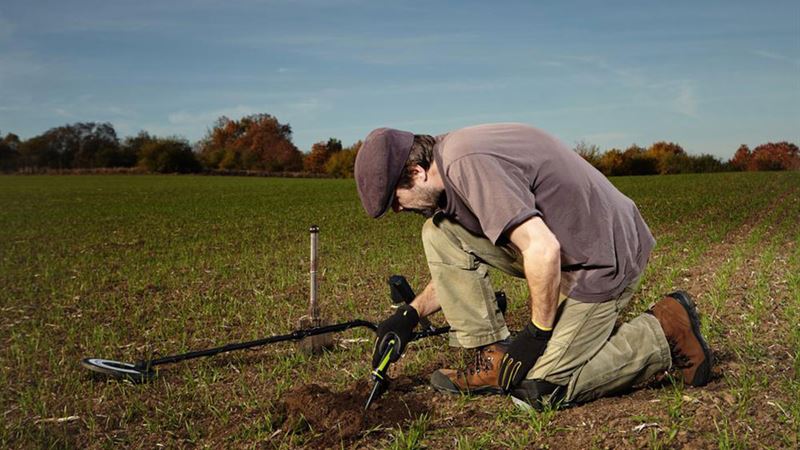
Prospecting and Mineral Hunting
Prospecting serves as the fundamental initial step in geological exploration and mineral discovery. Metal detectors are invaluable tools for prospectors searching for hidden deposits of precious metals deep beneath the earth's surface. This activity involves systematically scanning terrains in the quest for valuable minerals such as gold, silver, copper, and other metals in their natural ore or nugget forms. Hobbyists and professional prospectors alike engage in this pursuit, aiming to uncover gold nuggets, silver flakes, or mineral veins. Prospecting with metal detectors requires a keen understanding of terrain, geology, and often, local mineral deposit patterns, making it both a scientific and adventurous endeavor.
Searching for Lost Items and Valuables
Many individuals employ metal detectors to locate misplaced or discarded objects, including electronic gadgets, jewelry, and other valuables. Whether an item has been lost on land, in water, or in outdoor environments, a metal detector can significantly increase the chances of retrieval. Waterproof models are especially useful for recovering items submerged in shallow waters, lakes, or rivers. This activity often involves systematic scanning of specific areas where items might have been lost, such as beaches, parks, or fields. Enthusiasts often develop skills in pinpointing the exact location of buried or submerged objects, turning a frustrating loss into a rewarding find.
Beachcombing and Coastal Treasure Hunting
Beachcombing involves searching beaches and shoreline areas for items of interest, including coins, jewelry, shells, and other artifacts washed ashore by tide and currents. Enthusiasts typically walk along the intertidal zones—areas exposed during low tide—and sift through the sand and sediments for hidden treasures. Modern beachcombers pay close attention to ocean currents, storm patterns, seasonal changes, and geographical features to predict when and where valuable or interesting objects might appear. This activity is often social, with groups sharing tips and discoveries, but it also requires patience and a good understanding of tidal movements and natural behaviors of the sea.
Historical and Cultural Artifact Detection
Beyond casual treasure hunting, many dedicated detectors focus on discovering historical artifacts, relics, and cultural items. This activity is more curated and involves searching sites of historical significance, old battlefields, ancient settlements, or areas known for past human activity. Detecting coins, bullets, weapon fragments, jewelry, and other relics provides valuable insights into history and archaeology. Enthusiasts and archaeologists working together often aim to preserve and study their findings, contributing to historical scholarship. In regions like Europe and parts of Asia, the likelihood of discovering historically valuable artifacts is notably higher due to rich ancient civilizations and historical sites.