
Comprehensive Guide to Essential Printers and Scanners for Modern Use
This comprehensive guide explores various types of printers and scanners, detailing their features, benefits, and ideal applications. From multifunction devices to impact printers, learn how to select the right equipment for your needs to optimize productivity, reduce costs, and enhance quality in your workspace.
Understanding the Diversity of Printers and Scanners: An Essential Guide
Choosing the right printing and scanning devices is crucial in today’s digital and document-driven environment. With a vast array of options available on the market, understanding the different types of printers and scanners, along with their features and ideal use-cases, helps consumers and businesses make informed purchasing decisions. Whether you need a device for a home office, a small business, or large enterprise environments, selecting suitable equipment can significantly enhance productivity, reduce costs, and improve quality.
In this comprehensive guide, we explore the various categories of printers and scanners, detailing their functionalities, advantages, and ideal scenarios for deployment. From multifunctional devices that combine several capabilities into one unit to traditional impact printers, get detailed insights to find the perfect fit for your needs.
Multifunction Printers: All-in-One Solutions for Modern Workspaces
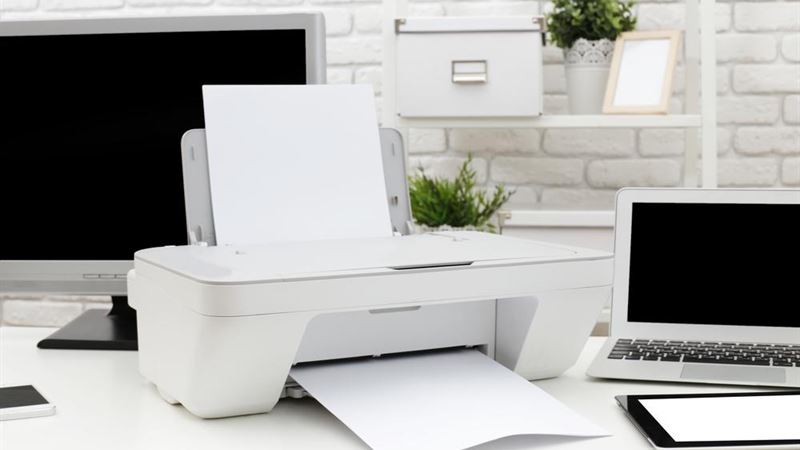
Multifunction printers (MFPs) are designed to serve as versatile, space-saving tools that combine printing, scanning, copying, and even faxing functionalities within a single device. These all-in-one machines are tailored for users who value convenience and efficiency, especially in compact work environments.
Modern MFPs are available in various sizes, from compact desktop models suitable for small offices or home use to larger, network-connected units capable of handling high-volume tasks typical in corporate settings. They are engineered to optimize throughput while minimizing footprint and operational costs.
One of the key benefits of multifunction printers is their ability to streamline workflows, reduce clutter, and save money. Instead of purchasing separate devices for each function, businesses can invest in a single device that provides all essential features. Additionally, many multifunction printers come equipped with wireless connectivity, mobile printing capabilities, and advanced security features to protect sensitive documents.
Specialized Inkjet Printers and Scanners: Vibrant and Cost-Effective
Inkjet technology is favored for its ability to produce rich, vivid colors and high-resolution images. Ideal for printing graphics, photographs, and detailed reports, inkjet printers are widely recognized for their affordability and user-friendliness. They are especially suitable for small offices, home users, and creative professionals who require high-quality visual outputs.
Inkjet printers typically operate by spraying tiny droplets of liquid ink directly onto paper. They are capable of printing at resolutions of 300 dots per inch (dpi), with some models reaching up to 600 dpi, making them suitable for detailed graphic work. Their scanning counterparts also support high-resolution image capturing, making them perfect for digitizing photographs and artwork.
These devices are known for their fast and efficient color printing, low initial investment, and ease of use. They also support various media types, including photo paper, canvas, and specialty papers, further expanding their versatility for creative projects and professional printing needs.
Laser Printers: High-Speed and Professional Quality
Since their inception in the 1960s, laser printers have established themselves as the workhorse of large office environments. They are engineered for high-volume, fast, and precise printing. Using a laser beam to transfer toner powder onto paper, laser printers can deliver sharp, high-resolution documents with minimal maintenance.
Laser printers are especially popular in corporate settings because they produce professional-quality prints with resolutions ranging from 600 to 1200 dpi. Their toner-based technology ensures that prints are smudge-proof, durable, and suitable for formal reports and business presentations.
Furthermore, laser printers offer significant efficiency advantages, such as rapid printing speeds, high paper capacity, and low per-page costs. They support various connectivity options, including Ethernet, Wi-Fi, and mobile printing, facilitating seamless integration into office networks.
Solid Ink Printers: Eco-Friendly and Vivid
Solid ink printers are an innovative option that use solid sticks of ink rather than traditional liquid inks or toners. These devices are environmentally friendly, reducing waste and packaging materials. During printing, the solid ink sticks are melted inside the machine, allowing the ink to be sprayed onto the page with precision.
This technology produces vibrant, high-quality images with a wide color gamut, making it ideal for marketing materials, presentations, and professional graphics. Solid ink printers are also known for their quiet operation and space efficiency, making them suitable for creative design teams and small businesses looking to combine quality with sustainability.
Dot-Matrix (Impact) Printers: Legacy and Budget-Friendly
Impact printers, particularly dot-matrix types, represent some of the earliest printing technologies still in use today. These printers employ a print head with a series of pins that strike an ink ribbon to create characters and graphics through a series of dots.
Although they are considered outdated by modern standards, impact printers still serve specific applications where multipart forms or carbon copies are required. They are inexpensive and reliable, especially for low-volume printing tasks in industrial or specialized environments.
Due to their low resolution and noisy operation, impact printers are typically used only in niche scenarios, such as printing invoices, labels, or in environments with limited space for newer technologies.
Conclusion: Making Informed Choices Based on Needs
Selecting the appropriate printer or scanner depends on understanding your specific needs – whether it’s high-quality photo printing, high-volume document production, space constraints, or budget considerations. By recognizing the different types and their respective strengths, users can make informed decisions that enhance operational efficiency, cost savings, and output quality.
Investing in the right device not only improves workflow but also provides long-term savings and sustainability benefits. As technology evolves, newer models with advanced features continue to emerge, offering even more options for tailored solutions in various industries.
In summary, whether you’re a home user, small business, or large enterprise, understanding the landscape of printers and scanners is the first step towards optimal equipment choices that empower your productivity and professionalism.