
Comprehensive Guide to Inkjet Printers: Technologies, Types, and Buying Tips
This extensive guide explores inkjet printing technology, including types of printers, inks, and helpful tips for selecting the best model. Discover how different technologies and inks impact print quality and durability. Learn about industry-leading printers suitable for home and professional use, along with expert advice on buying the right inkjet printer based on your needs. Whether for casual use or high-volume printing, this article provides valuable insights to help you make informed decisions and enhance your printing experience.
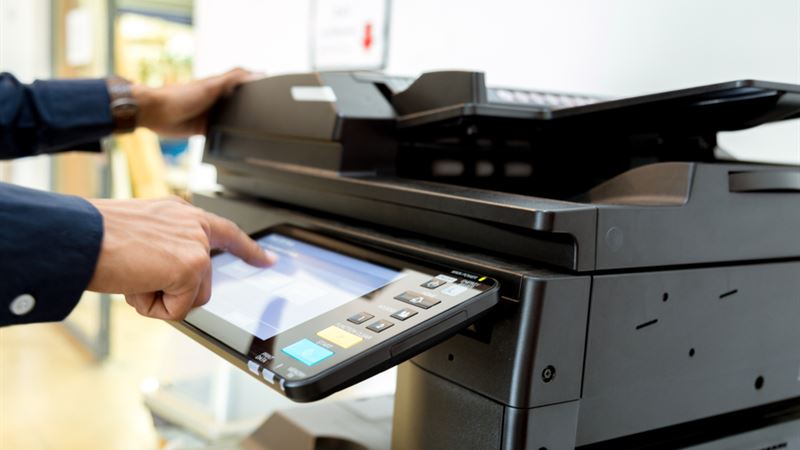
Inkjet printers are among the most versatile and widely used printing devices in homes and businesses worldwide. Their ability to produce high-quality images and texts at a reasonable cost has made them a popular choice for various printing needs. Whether you're looking to print photographs, documents, or marketing materials, understanding the technological fundamentals and different types of inkjet printers can help you make an informed purchasing decision. This comprehensive guide delves into the core technologies behind inkjet printing, the types of inks utilized, top-rated models in the market, and essential tips to choose the best inkjet printer suited to your requirements.
Understanding the Underlying Technologies of Inkjet Printing
- Continuous Inkjet (CIJ): An older but historically significant technology, CIJ works by ejecting a steady stream of ink droplets at high velocity, approximately 20 meters per second. Due to the high ejection velocity, the printhead can be positioned at a relatively large distance from the printing surface, enabling flexible printing setups. One advantage of this method is continuous operation, which minimizes nozzle clogging and allows the use of volatile solvents like ketones and alcohols. These solvents help the ink to quickly penetrate and dry on various substrates, making CIJ suitable for industrial applications such as coding on packaging or large-scale labeling. Although less common in consumer devices today, CIJ remains vital in specialty printing environments where speed and permanence are critical.
- Drop-on-Demand (DOD): This technology is prevalent in modern consumer and professional inkjet printers. It functions by ejecting individual ink droplets only when required, which conserves ink and improves print quality. Drop-on-Demand systems are chiefly divided into two types:
Thermal DOD
Utilizes heat to generate vapor bubbles that eject ink droplets through a nozzle. The ink cartridges contain multiple tiny chambers, each with a built-in heater. When a pulse of current heats the chamber, it creates a rapid vaporization of the ink, forming a bubble that pushes a precise amount of ink out of the nozzle onto the paper. Water-based inks are typically used in thermal DOD printers due to their compatibility with the heating process. This technology is highly reliable and allows for fast printing speeds, making it popular in household printers and small office setups.
Piezoelectric DOD
Employs piezoelectric crystals that change shape when voltage is applied. These shape changes generate pressure pulses within ink chambers, pushing small ink droplets through nozzles. Unlike thermal DOD, piezoelectric systems can use a wider variety of inks, including solvent and UV-curable types. This method tends to produce highly precise and consistent ink drops and is favored for high-quality photo printing and professional graphics where fine detail and color accuracy are essential.
Types of Ink Used in Inkjet Printing
- Aqueous Inks: The most common ink type used in home and office printers. Composed of water, glycol, and pigments or dyes, aqueous inks are inexpensive and easy to produce. They provide vibrant color reproduction and are suitable for everyday document printing as well as photo prints. Their primary limitation is susceptibility to water damage, which makes them less ideal for outdoor or long-term displays.
- Solvent Inks: Typically used in professional and industrial printers, solvent inks are formulated with organic solvents like VOCs (volatile organic compounds). These inks embed pigments into various surfaces, allowing printing on non-porous substrates like plastic, metal, or glass. They are highly resilient against weathering, chemical exposure, and UV rays, making them ideal for outdoor signage and vehicle wraps. The use of VOCs, however, raises environmental and health concerns, leading to stricter regulations in many regions.
- UV Curable Inks: Comprising acrylic monomers and photoinitiators, UV inks are cured instantly upon exposure to ultraviolet light. They produce durable, glossy prints that are resistant to scratches, water, and chemical exposure. UV curable inkjet technology is commonly used for high-end signage, packaging, and specialty printing where longevity and quality are paramount.
Leading Inkjet Printer Models in Today's Market
- Brother MFC-J460DW: A versatile all-in-one inkjet printer suitable for small offices and home use. Priced around $89, it features printing, scanning, copying, and faxing capabilities. Its 1.8-inch color display simplifies operation, while support for duplex printing and an automatic document feeder boosts productivity. It prints up to 12 black pages and 6 color pages per minute, with a speed of about 60 seconds for 12 pages black and 6 pages color. Connectivity options include USB, Wi-Fi, Ethernet, and Wi-Fi Direct, facilitating seamless integration with various devices. Additional features like Google Cloud Print and Apple AirPrint enhance remote printing convenience.
- Dell E310DW: Priced at approximately $84, this monochrome printer emphasizes efficiency and affordability. It offers automatic duplex printing, a sizable input tray, and fast output with rates of up to 27 pages per minute. Connectivity options include USB, Ethernet, and Wi-Fi, allowing flexible setup options. For cloud-based printing, Dell provides support through its Document Hub. It supports multiple media types, including A4, legal, and custom-sized papers, making it suitable for various professional printing needs.
Tips for Purchasing the Ideal Inkjet Printer
- Assess your printing needs: Determine what you'll primarily print—whether documents, photos, or marketing materials—and the volume of printing required daily or monthly.
- Research brands and models: Explore different manufacturers and models, comparing features, ink costs, speed, and customer reviews. Pay attention to the availability of consumables and warranty services.
- Visit physical stores and online stores: Seeing the printer in person can give insights into build quality and ease of use. Online reviews can provide additional pros and cons based on user experiences.
- Compare prices and warranties: Look for deals, discounts, and bundled offers. Ensure the product comes with a comprehensive warranty and accessible customer support.
- Consider future needs: Think about potential upgrades, compatibility with existing devices, and whether the printer supports features like wireless connectivity and mobile printing, which can enhance usability.
In summary, choosing the right inkjet printer involves evaluating your specific printing requirements, budgeting appropriately, and considering long-term value. By understanding the various printing technologies, ink types, and top models, you can make a well-informed decision that meets your needs efficiently and cost-effectively.