
Comprehensive Guide to Popular Types of Paper Towels Available in Today’s Markets
Explore the most popular types of paper towel dispensers available in today's market. From simple center pull units to advanced controlled output dispensers, discover how each type serves different needs. Learn about their advantages, common issues, and best applications to make informed choices for your facility. This guide helps you understand which paper towel dispenser suits your business, enhancing hygiene and reducing waste while ensuring cost-effective operations. Perfect for facility managers, business owners, and maintenance staff seeking reliable, efficient solutions for everyday hygiene needs.
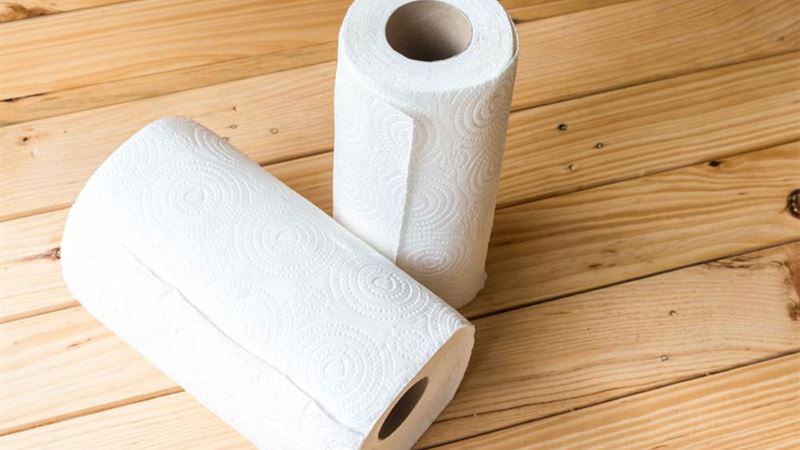
Center Pull Dispensers
Center pull paper towel dispensers are a staple in many commercial and public facilities, particularly in gas stations, convenience stores, and busy restrooms. Designed for convenience and efficiency, these dispensers feature a simple structure that allows users to easily access paper rolls by pulling from the center of the roll. They are typically mounted on walls or placed on counters, making them accessible and space-efficient. The core advantage of center pull dispensers is their ease of use and the ability to dispense a controlled amount of paper with each pull. However, users often encounter issues such as roping, where the paper unwinds unevenly or does not perforate correctly, leading to wastage and inconvenience. Additionally, somefind that these dispensers are less effective for drying hands quickly, as users need to unwind a portion of the paper before drying. Despite these drawbacks, they remain a popular choice due to their straightforward design and familiarity in many settings.
Multi-Fold Dispensers
Multi-fold paper towel dispensers, also known as C-Fold or single-fold dispensers, are among the most prevalent in public restrooms, commercial kitchens, and institutional environments. These units are typically installed on walls or mounted beneath counters, offering easy access to users. The design involves multiple folded paper towels stacked within a container, allowing users to pull out one towel at a time. Their popularity stems from their user-friendly operation and the ability to accommodate high-traffic facilities. However, a common challenge associated with multi-fold dispensers is overuse—patrons tend to pull out more towels than necessary, leading to increased wastage. Often, many unused towels are discarded prematurely, resulting in higher operational costs and unnecessary environmental impact. To mitigate this, facility managers must monitor usage and encourage responsible consumption.
Controlled Output Roll Towel Dispensers
Controlled output roll towel dispensers are engineered to optimize towel utilization, making them a preferred choice across diverse sectors such as healthcare, hospitality, and corporate offices. These dispensers come in various models, including battery-operated, manual lever-operated, or mechanical hands-free variants. They are designed to limit the amount of towel dispensed with each use, thereby reducing waste and enhancing cost-efficiency. Despite the fact that these dispensers may dispense towels at a slightly slower rate compared to simpler models, their ability to minimize excess usage makes them highly effective. Some advanced versions incorporate electronic sensors or programmable features to further regulate dispensing. This controlled approach not only conserves resources but also promotes hygienic practices by reducing contact. Due to these features, controlled output dispensers are regarded as the most sustainable and efficient option for modern facilities, especially where maintaining cost control and hygiene are priorities.
In conclusion, selecting the right type of paper towel dispenser hinges on factors like usage volume, space constraints, waste reduction goals, and ease of maintenance. While center pull dispensers offer simplicity, multi-fold options provide user convenience with some wastage, and controlled output roll dispensers stand out for their efficiency and sustainability. Business owners and facility managers should analyze their specific needs to choose the most suitable dispenser type, ensuring optimal hygiene, cost savings, and environmental responsibility.