
Effective Strategies to Minimize Dehydration Risks and Stay Hydrated
Learn comprehensive strategies to prevent dehydration through mindful hydration, diverse liquid sources, electrolytes, and routine habits. Understand how environmental factors and physical activity impact hydration needs and how to recognize early signs of dehydration for better health management.
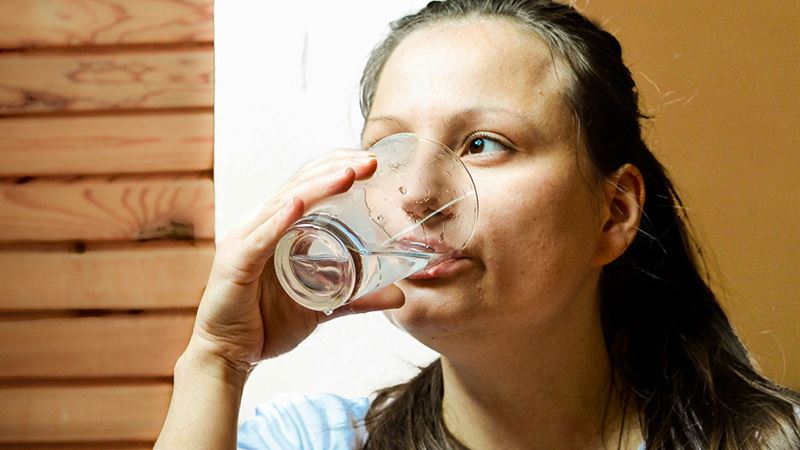
One of the simplest yet most effective ways to prevent dehydration is to pay close attention to your body's natural signals of thirst. When you begin to feel thirst, it’s an indication that your body needs fluids. Drinking a glass of water at this point can help replenish lost fluids and prevent dehydration from setting in. Despite busy schedules and pressing deadlines, it's vital to make time for hydration. Often, individuals ignore thirst to save a few seconds, but this can backfire, especially in hot weather or during physical activity. Setting reminders or using hydration apps can prompt you to drink water regularly and prevent dehydration before symptoms become pronounced.
Water remains the most accessible and economical source of hydration, but diversifying your fluid intake enhances hydration effectiveness. Beverages like herbal teas, fresh fruit juices, and infused water can contribute significantly to your daily hydration quota. For instance, a glass of freshly squeezed juice or a warm cup of herbal tea provides not only hydration but also essential nutrients. However, moderation is key—excessive caffeine or processed sugary drinks can lead to dehydration and other health issues. Natural options such as watermelon, grapes, strawberries, kale, iceberg lettuce, and celery sticks are rich in water content. Snacking on these can naturally help boost hydration levels while providing valuable vitamins and minerals.
For those leading active lifestyles or engaging in strenuous exercise, replenishing lost electrolytes is critical. Sweat contains vital minerals like sodium, potassium, calcium, and magnesium, which need to be restored for optimal bodily function. Popular electrolyte drinks such as Pedialyte, Gatorade, and Powerade are designed to replenish these minerals efficiently. Alternatively, natural options such as fresh coconut water, watermelon juice, or a glass of milk can serve as excellent sources of electrolytes. Coconut water, in particular, is a rich source of potassium and magnesium, making it a superior natural hydrator. Incorporating these drinks after workouts helps maintain fluid balance and prevents dehydration-related fatigue and cramps.
Extreme temperatures and travel can increase your risk of dehydration. When exposed to intense heat, your body sweats more to regulate temperature, leading to rapid fluid loss. Carrying a refillable water bottle and sipping frequently can make a significant difference. Additionally, consuming foods high in water content during trips—like fresh fruits and salads—can help sustain hydration. If you're journeying to hot climates, consider supplementing with electrolyte drinks to offset mineral loss. Always pay attention to your body's signals, and avoid waiting until you're extremely thirsty or experiencing symptoms like dizziness or fatigue.
Early signs of dehydration should never be ignored. Beyond dry skin and mouth, symptoms such as headaches, sluggishness, dark urine, or muscle cramps indicate that your body is lacking adequate fluids. If you notice these symptoms, increase your fluid intake immediately. For severe dehydration signs—such as confusion, low blood pressure, or loss of consciousness—seek medical attention promptly. Prevention is always better than cure, so adopting consistent hydration habits and listening to your body's needs can safeguard you against dehydration-related health problems.
Creating regular hydration routines fosters long-term healthy habits. For example, drinking a glass of water upon waking, before each meal, and before bed helps establish consistent intake. Using hydration tracking apps and setting alarms can serve as effective tools for maintaining these routines. Incorporating hydrating foods into your diet regularly, such as cucumber, oranges, and cantaloupe, ensures a steady intake of water and nutrients. Educating yourself about the importance of hydration and the risks associated with dehydration empowers you to prioritize your health effectively.
To gauge your hydration levels, monitor the color of your urine—pale yellow indicates good hydration, while dark yellow or amber suggests dehydration. Consistent self-awareness helps you adjust your fluid intake accordingly. Additionally, paying attention to signs like dry lips, skin turgor (elasticity), and energy levels can guide you in making timely adjustments. Staying aware of how different activities and environmental factors influence your hydration needs allows you to optimize fluid intake and maintain overall health.
Preventing dehydration requires a combination of mindful habits, proper diet, and strategic fluid intake. By listening to your body's thirst signals, choosing a variety of hydrating foods and beverages, replenishing electrolytes after strenuous activity, and being vigilant in hot weather, you can maintain hydration levels effectively. Recognizing early signs of dehydration and establishing sustainable routines are essential steps toward long-term health and wellness. Remember, staying proactive about hydration not only boosts your energy and concentration but also supports your immune system and overall physiological functions, keeping you healthy and vibrant every day.