
Comprehensive Guide to Understanding and Preventing Dehydration
Learn everything about dehydration, including causes, symptoms, risks, and expert tips to stay hydrated. This comprehensive guide helps you understand how to prevent dehydration and maintain good health across all age groups. Stay informed and keep your body properly hydrated with practical advice and early warning signs to watch for.
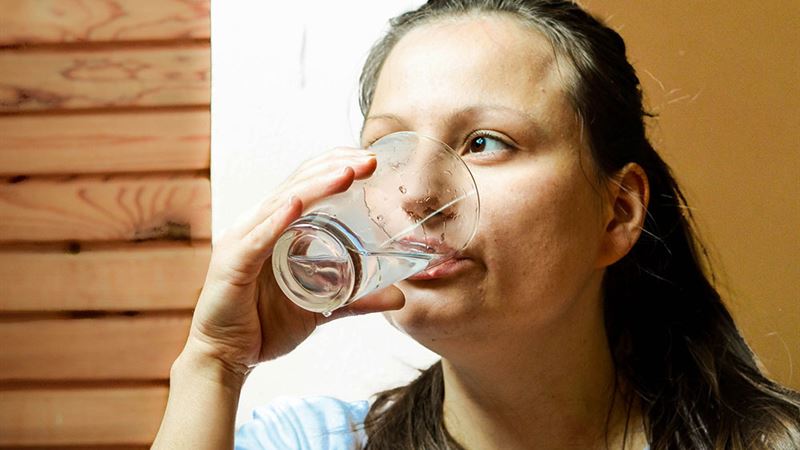
Dehydration occurs when the body loses more fluids than it takes in, disrupting normal bodily functions. Recognizing early signs of dehydration is crucial for preventing serious health complications. In infants, symptoms include dry mouth, sunken eyes, and lack of tears, while adults often experience intense thirst, dark-colored urine, fatigue, and dizziness. Understanding the causes, risk factors, and preventive measures can help maintain optimal hydration and overall health.
Causes Behind Dehydration
Dehydration can stem from a variety of simple yet impactful reasons. One of the most common causes is inadequate water intake, which can happen during busy schedules, illness, or neglecting the body's hydration needs. When you're involved in outdoor activities like camping, hiking, or traveling, access to clean, safe water might be limited, increasing the likelihood of dehydration.
Gastrointestinal issues such as vomiting and diarrhea are significant contributors, as they cause rapid fluid loss. High fever also raises the risk since it increases sweating and fluid depletion. Excessive sweating, especially during hot weather, sports, or strenuous physical activity, without sufficient water replacement, can quickly lead to dehydration.
Moreover, certain medical conditions like uncontrolled diabetes result in increased urination, which can dehydrate the body. The use of diuretic medications, often prescribed for high blood pressure or other health issues, can also promote fluid loss. Recognizing these causes helps in adopting strategies to mitigate dehydration risks effectively.
Understanding the Risks of Dehydration
While dehydration can affect anyone, specific groups are more vulnerable. Young children and infants are particularly susceptible because they have a higher body water content and immature immune systems. They are prone to dehydration through episodes of vomiting and diarrhea, which are common in childhood illnesses.
Older adults face increased risks due to physiological changes with age. As people grow older, their total body water decreases, the kidneys become less efficient at conserving water, and the sense of thirst diminishes. These factors make it easier for seniors to become dehydrated, especially if they are not conscious of their water intake.
Individuals with chronic health conditions also face higher chances of dehydration. Diseases like diabetes, especially if poorly managed, can cause excessive urination. Neurological conditions such as dementia may impair the ability to recognize thirst, further increasing risk. Certain medications, including diuretics and laxatives, can exacerbate fluid loss, making careful hydration management essential for these populations.
Preventive Measures and Tips for Staying Hydrated
Preventing dehydration involves maintaining a consistent intake of fluids and being mindful of circumstances that increase water loss. It is recommended to drink at least 8 to 10 glasses of water daily, but individual needs may vary based on activity level, climate, and health status.
In hot weather or during physical activity, it’s essential to increase fluid intake and replenish electrolytes lost through sweat. Consuming hydrating foods such as fruits and vegetables can also contribute to maintaining fluid levels. During illness episodes like vomiting or diarrhea, prompt rehydration with oral rehydration solutions or electrolyte drinks is vital.
For vulnerable groups such as infants, the elderly, and chronically ill individuals, regular monitoring of hydration status is crucial. Caregivers should watch for signs like dry mouth, decreased urination, and lethargy. People should carry water bottles during outdoor activities and seek shade or air conditioning to minimize excessive sweating.
Being proactive about hydration can significantly reduce the risk of dehydration-related complications, which range from mild discomfort to severe health crises including heatstroke, kidney problems, and even hospitalization.
Final Thoughts
Understanding dehydration's causes, symptoms, and preventive strategies is essential for maintaining optimal health. Children and the elderly are especially vulnerable, so it is critical for caregivers and individuals to stay vigilant. External factors like gastrointestinal illnesses and environmental conditions significantly contribute to fluid loss. Ensuring adequate daily water intake, especially during hot weather or illness, can prevent dehydration. Remember to recognize early symptoms and seek medical guidance when necessary. Staying properly hydrated is a simple yet powerful step toward a healthier, more energized life.