
Impact of Cold Weather on School Closings and Educational Continuity
This detailed article explores how cold weather impacts school closings, safety measures undertaken, communication protocols, and the importance of preparedness during winter storms. It emphasizes the role of weather forecasting, infrastructure readiness, and proactive policies in ensuring student safety while minimizing disruptions to education, offering actionable insights for parents, educators, and community members to stay informed and prepared during severe winter conditions.
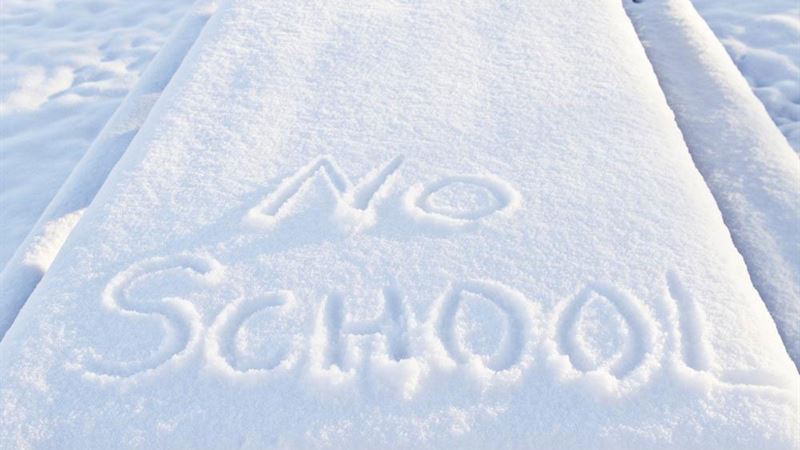
Extremely cold weather conditions often lead to school closures, commonly referred to as snow days, which significantly influence the academic calendar and daily routine of students, parents, and educators. These closures occur when weather phenomena such as heavy snowfall, ice storms, or dangerously low temperatures compromise the safety of students and commuting conditions. In many regions, especially those accustomed to harsh winters, school districts are well-equipped and prepared to manage snow and ice to some extent, keeping schools open even amid inclement weather. Conversely, areas with infrequent severe winter weather tend to be less prepared and may experience more frequent closures. To stay informed about current school operational statuses, parents and guardians often consult online school closing lists or local news updates.
During winter months, the safety of children and staff is paramount. When adverse weather conditions occur, school administrators face the challenging decision of whether to close schools or operate on a delayed schedule. Major considerations include road conditions, visibility, and transportation safety. Many districts have established protocols that guide school closures, often relying on forecasts from weather experts and transportation authorities to determine the safest course of action. Since winter weather can be unpredictable, schools sometimes need to close unexpectedly, forcing parents to quickly adapt their schedules. These decisions are often communicated via local radio, television, school websites, and social media channels to ensure timely dissemination of information.
School districts are bound by state-mandated minimum instructional days, which influence their response to weather-related closures. Most states specify a minimum number of days students must attend school annually, leading districts to incorporate makeup days into their academic calendars when closures occur. This planning accounts for unpredictable weather events that may require additional days off. Schools typically build in reserve days at the end of the academic year or have session extensions ready to compensate for lost instructional time. During severe weather events, closures may range from a single day to multiple days, depending on the extent of the storm and safety concerns.
Communication is key during winter weather disruptions. School closure announcements are usually made through multiple channels, including official school websites, local news broadcasts, and dedicated emergency notification systems. Parents and guardians are encouraged to stay vigilant and check these sources regularly, especially during forecasted storms or sudden weather changes. For parents uncertain about whether to send children to school amid questionable conditions, consulting online updates is advisable. Ultimately, individual judgment plays a role; if conditions appear hazardous, parents might decide to keep children home even if schools remain officially open.
Preparing for winter weather also involves understanding the policies schools have regarding closures and delays. Some districts have specifically designated procedures for delayed openings, early dismissals, and emergency closures. These protocols aim to minimize disruption while prioritizing safety. Schools may also implement remote learning options or educational activities for days when students cannot attend physically, ensuring educational continuity despite weather challenges. Schools and districts often use extensive weather monitoring and forecasting tools to make proactive decisions, reducing the need for last-minute closures whenever possible.
In addition to safety considerations, schools may also evaluate infrastructural capabilities, such as snow removal, heating systems, and transportation logistics, to determine whether they can safely operate during winter storms. Investment in snowplowing equipment and timely maintenance schedules help reduce the likelihood of closures. Many districts collaborate with local authorities to clear roads and ensure safe pathways for students and staff. On days when closures are unavoidable, educators and administrators strive to maintain learning momentum by providing assignments online or through take-home packets.
Parents and guardians should be aware of school policies regarding weather-related closures well in advance. Understanding the procedures and having contingency plans can ease the stress caused by sudden changes in school schedules. It’s important to note that the decision to close or delay schools is ultimately made with student and staff safety at the forefront. Residents can typically access comprehensive lists of school closings on official district websites, local news portals, and community alert systems. These sources are vital for staying informed during the unpredictable winter season and ensuring everyone’s safety and well-being.