
Comprehensive Guide to Scar Reduction: Techniques, Costs, and Effective Treatments
This comprehensive guide explores diverse scar removal methods, including topical products, prescription treatments, laser therapies, surgical options, and microneedling. It details painful scar types, their causes, and effective solutions, emphasizing personalized treatment plans based on scar characteristics, costs, and individual needs. Whether dealing with acne scars, burns, or surgical scars, find out how advanced dermatological procedures can help diminish their appearance, restore skin health, and boost confidence effectively. Learn about costs and choose the best option for your skin needs.
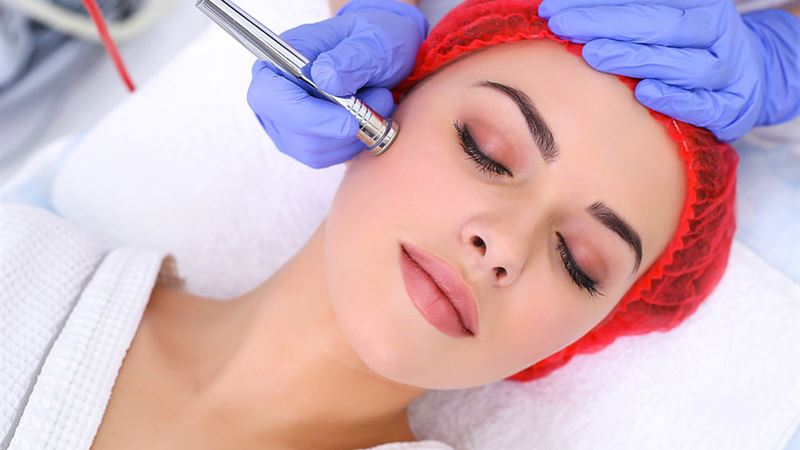
Scars can appear on the skin due to various reasons, including injuries, surgeries, burns, or skin conditions like acne. While scars are often a natural part of the healing process, many individuals seek effective methods to reduce their appearance for aesthetic or comfort reasons. Fortunately, advancements in dermatology have provided numerous options for scar removal, ranging from topical treatments to advanced surgical procedures. This comprehensive guide explores the most common and effective scar removal strategies, their procedures, costs, and considerations to help you make informed decisions about your skin health.
1. Topical Treatments and Over-the-Counter Products
One of the simplest and most accessible options for scar management is the use of topical creams, gels, and ointments. These products often contain ingredients proven to improve scar appearance, such as vitamin C, retinoids, silicone, and hydroquinone. Silicone gels and sheets, in particular, have been validated by many dermatologists for their ability to hydrate scar tissue, promote collagen balance, and flatten raised scars.
Vitamin C-enriched creams assist in collagen synthesis, which can improve skin texture and tone around scars. Retinoids, derived from vitamin A, help in promoting cell turnover and reducing discoloration. Hydroquinone is used to lighten hyperpigmented scars, particularly post-inflammatory hyperpigmentation caused by acne or injury. While topical treatments are usually affordable and easy to access, their effectiveness depends on the scar type, age, and individual skin response. They are most beneficial for mild scars and fresh wounds.
2. Prescription Medications for Targeted Scar Reduction
For more stubborn scars, dermatologists may prescribe specialized medications. These may include corticosteroid injections for hypertrophic or keloid scars, which can help in reducing inflammation and shrinking thick scars. Dermal fillers can be an option to elevate sunken scars, restoring skin contour. Cryotherapy, employing liquid nitrogen or argon gas, is often used to treat raised scars by freezing scar tissue, leading to its reduction over multiple sessions.
The choice of prescription treatment depends on the scar’s size, location, and type. A dermatologist assesses each case and tailors a treatment plan accordingly, often combining therapies for optimal results. Prescription treatments tend to be more effective than over-the-counter options but are usually more costly and require professional administration.
3. Laser-Based Scar Treatments
Laser therapy has surged in popularity because of its ability to significantly diminish the visibility of scars. Different laser types target various aspects of scarring. Fractional laser resurfacing creates micro-injuries that stimulate collagen production, improving skin texture and reducing the appearance of scars. Pulsed dye lasers are effective in diminishing redness and vascularity associated with scars, especially hypertrophic or swollen scars.
While laser treatments are generally well-tolerated, some discomfort may be experienced during sessions. Multiple sessions are typically necessary, and results vary depending on the scar's severity and age. Laser therapy is particularly effective for acne scars, stretch marks, and surgical scars. It can also help in lightening pigmentation and smoothing irregular skin surfaces.
Patients should consult qualified dermatologists to determine the appropriate laser type and treatment plan. It’s worth noting that while laser treatments significantly reduce scar visibility, they may not entirely remove scars but can offer a substantial improvement in appearance and skin health.
4. Surgical and Grafting Procedures
When scars are deep or resistant to non-invasive treatments, surgical options may be considered. Skin grafting involves transplanting healthy skin from one part of the body to cover the scarred area, especially in cases of severe burn scars or extensive trauma. Dermal grafts from donors may also be used, offering an alternative for complex cases.
This method helps replace damaged tissue and improve skin appearance but comes with risks, such as infection or graft rejection. Post-procedure care, including dressings and wound management, is crucial to ensure proper healing and minimize complications.
In addition, scar revision surgeries aim to improve the scar’s appearance by excising the scar tissue and re-closing the wound with meticulous techniques. These procedures are often combined with other treatments like laser therapy or dermabrasion for enhanced results. The decision for surgery involves careful evaluation of the scar’s location, size, and the patient’s overall health.
5. Microneedling and Collagen Induction Therapy
Microneedling, also known as collagen induction therapy, involves creating controlled micro-injuries in the skin using fine needles. This process stimulates the body’s natural healing mechanisms, increasing the production of elastin and collagen. As a result, scars, especially stretch marks and acne scars, gradually become less noticeable.
This procedure is minimally invasive and can be performed in outpatient settings. Multiple sessions are typically required for optimal results. It’s crucial to have microneedling conducted by skilled professionals to avoid infections or adverse effects. Topical anesthetics are often used to reduce discomfort during the process.
Microneedling offers a natural approach to scar reduction, enhances skin texture, and can improve overall skin tone. It is often combined with topical serums containing ingredients like hyaluronic acid or growth factors to boost collagen synthesis.
Understanding the Causes of Scarring
Identifying the root cause of a scar is essential to choosing the most effective removal method. Different injuries and skin conditions produce specific types of scars, each requiring tailored treatment strategies.
Acne-Related Scars:
Acne can leave behind various scars, ranging from depressed or atrophic scars to raised hypertrophic or keloid scars. These scars often persist long after acne lesions have healed and may require specialized treatments like laser resurfacing, microneedling, or chemical peels, along with topical therapies.
Burn Scars:
Severe burns can cause deep, discolored, and sometimes painful scars. These scars are often thick and raised and may limit movement depending on their location. Management includes surgical options like skin grafting, laser therapy, and pressure therapy to flatten and improve the appearance of burn scars.
C-Section and Surgical Scars:
Surgical incisions, such as those from cesarean sections or other procedures, often leave prominent scars. Early interventions like steroid injections, silicone sheets, and massage can help reduce their visibility. For stubborn scars, surgical revision or laser treatments might be necessary for better aesthetic results.
Piercing and Body Modifications:
Repeated or poorly healed piercings can result in hypertrophic or keloid scars. These can be treated effectively with laser therapy or surgical excision, depending on the scar’s depth and size.
Cleft Lip Repairs:
Birth defects like cleft lip often necessitate surgical correction, which can leave visible scars. Early dermatologist consultation can help in choosing appropriate scar management strategies, including scar revision or laser treatments, to minimize long-term visibility.
Additional conditions, such as stretch marks, may also be treated through various cosmetic procedures, including laser therapy and microdermabrasion, to improve skin appearance.
Cost Considerations for Scar Treatments
The cost associated with scar reduction procedures varies widely based on the treatment method, scar complexity, and geographic location. Minor treatments like silicone gels or creams are inexpensive, with prices starting around $20. More advanced procedures, such as laser therapy, can range from $200 to over $3,400 per session, depending on the scar’s size and severity.
Surgical options like skin grafting often cost approximately $3,000 or more. Insurance coverage may vary, and patients are advised to consult with their providers to understand coverage options. Always discuss your budget and expectations with your dermatologist to determine the most suitable individual treatment plan.
Consulting with a qualified dermatologist is crucial to determining the best approach for scar removal, considering both efficacy and cost-effectiveness. Combining treatments might offer the best results, but it’s essential to have a clear understanding of the investment involved.
Bringing together various scar management strategies under professional supervision can significantly enhance skin healing, restore confidence, and improve overall quality of life.