
Honoring Your Loved Ones: A Guide to Thoughtful Funeral Arrangements and Casket Choices
Discover comprehensive guidance on funeral arrangements, including a variety of casket options—traditional, eco-friendly, rental, and simple containers—designed to suit all budgets and cultural requirements. Learn how to plan a respectful, meaningful farewell that honors your loved one’s memory, with a focus on environmental sustainability and cultural traditions. This detailed overview helps families make informed decisions during a difficult time, ensuring a dignified and heartfelt farewell tailored to individual preferences and beliefs.
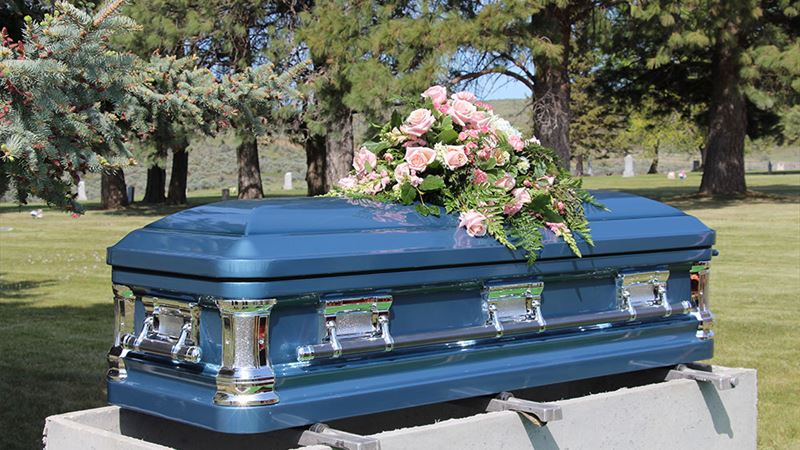
When a loved one passes away, planning a meaningful funeral is a vital step in the mourning process. It allows family and friends to pay their respects, say goodbye, and find solace in shared memories. Funeral arrangements can be tailored to reflect the personality, preferences, and cultural background of the deceased, making the farewell uniquely significant. One of the key elements in funeral planning is the selection of a casket or container for the body. The choices range from traditional, elaborate coffins to simple, eco-friendly options, providing options suitable for varying budgets and environmental considerations.
Whether you opt to purchase a casket outright or rent one temporarily, the process offers flexibility to accommodate your financial situation and funeral preferences. Rental caskets are designed to be a cost-effective solution, often used in conjunction with cremation services. These are typically less expensive than buying a new casket and can help manage expenses during a difficult time. For cremation, many families choose to use a basic cardboard box or biodegradable container, which aligns with environmentally conscious practices while reducing costs.
Numerous companies specialize in providing rental caskets that meet various requirements. They often assist in selecting the right style and size, ensuring that the arrangement honors the loved one respectfully. Additionally, eco-friendly caskets are gaining popularity, especially among those who wish to reduce their environmental impact. These green caskets are crafted from natural, biodegradable materials like wicker, bamboo, cotton, wool, and wood, and are designed to be fully combustible. They are suitable for a traditional funeral or a more eco-aware send-off, aligning with sustainable values.
Different cultures have unique rituals and traditions concerning funerals, which influences the type of caskets used. For example, Jewish funeral customs call for specific types of urns and caskets. These are typically made entirely of wood and are designed to be fully combustible, with no metal parts to facilitate natural decomposition. Such cultural considerations are crucial when planning ceremonies to ensure they reflect religious or personal beliefs respectfully.
In many cases, families do not purchase or rent caskets at all. Instead, the crematory provides an alternative container, usually a simple cardboard box, suitable for cremation purposes. The selection of a casket or container depends heavily on the type of funeral service planned and the budget available. For formal funeral services, families often choose expensive, aesthetically refined caskets that can cost thousands of dollars. These elaborate coffins are sometimes ordered online, and their cost can significantly influence the overall funeral expenses. In contrast, affordable options like simple cardboard containers or minimalistic biodegradable urns are widely available and often preferred for eco-friendly or budget-conscious choices.
Beyond traditional options, there are also environmentally sustainable casket choices that appeal to eco-conscious families. These include urns and containers made from recycled or biodegradable materials, supporting a green approach to mourning. The decision between purchasing, renting, or opting for a simple container reflects personal values, financial considerations, and the desire to honor the loved one's memory in a way that aligns with individual beliefs and preferences.
Planning a funeral encompasses many details, from selecting a burial or cremation method to choosing appropriate caskets or containers. It’s essential to consider the cultural, religious, and environmental factors that influence these choices. Consulting with funeral planning professionals can help families navigate these decisions, ensuring that the farewell is both respectful and meaningful. Ultimately, the goal is to create a ceremony that celebrates the life of the departed while providing comfort and closure for those left behind.