
Choosing the Ideal Casket for a Funeral Service: A Comprehensive Guide
Selecting the right casket for a funeral involves understanding various materials, customization options, prices, and eco-friendly alternatives. Whether opting for traditional wood, durable metal, or budget-friendly fabric caskets, families can personalize their choice to honor their loved ones. This comprehensive guide helps families navigate the decision-making process by exploring different casket types, custom options, purchase locations, and environmentally friendly choices, ensuring a meaningful and respectful farewell.
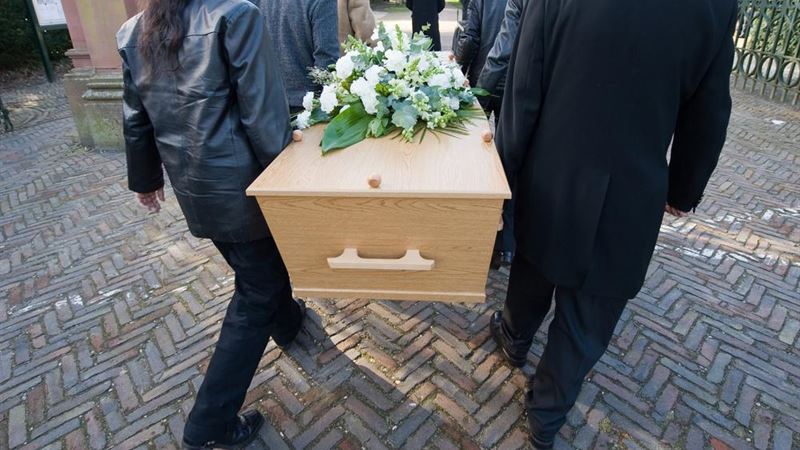
- Understanding Different Casket Materials and Types
Planning a funeral involves many important decisions, one of which is selecting the right casket. A casket not only serves as a resting place for the deceased but also holds symbolic significance and provides comfort to grieving loved ones. With a variety of options available, understanding the different types, materials, customization possibilities, and pricing can help you make an informed decision that respects both your budget and preferences.
- Types of Caskets and Their Features
There are several main types of caskets, each crafted from distinct materials and designed for different needs and aesthetic preferences. The most common options include wooden, metal, cloth, and veneer caskets. Each material offers unique advantages, durability, and visual appeal, allowing families to honor their loved ones in a way that aligns with cultural, religious, or personal values.
Wooden Caskets: Traditional and Elegant
Wooden caskets have long been a popular choice for their timeless appeal and natural beauty. They can be crafted from various types of wood such as oak, cherry, mahogany, or pine, each providing a different look and finish. Wooden caskets generally range from $2,000 to $8,000, depending on the quality and craftsmanship. They are often chosen for their classic appearance and the warmth that wood imparts. Additionally, many families opt for personalized engravings or decorative details to make the casket unique.
Metal Caskets: Durable and Secure
Metal caskets are renowned for their strength and longevity. Common materials used include steel, bronze, and copper. Steel caskets are typically less expensive but still offer robust protection, while bronze and copper options tend to be more luxurious and durable. Metal caskets are designed to prevent water and air infiltration, which can aid in the preservation of remains. Because of their durability, metal caskets are often preferred for longer-lasting displays or significant ceremonies. Metal caskets tend to be more costly, reflecting their extra resilience and intricate manufacturing processes.
Cloth and Veneer Caskets: Cost-Effective Alternatives
For families seeking affordability, cloth-lined or wood veneer caskets present practical options. These caskets are typically made with a lightweight wooden core covered with fabric or a thin veneer finish. They are significantly less expensive, making them a popular choice for budget-conscious families. Despite their lower cost, these caskets can be designed in a variety of styles and colors to match personal preferences.
Customization and Personal Touches
Many families wish to personalize the casket to honor their loved one's life and personality. Customization options include adding special designs, inscriptions, or decorative motifs. Some caskets have built-in compartments or small drawers where cherished mementos, photographs, or notes can be placed. It's important to work with a funeral director or casket seller who offers customization services to ensure your ideas are incorporated seamlessly. Custom features can turn a simple container into a meaningful tribute.
- Pricing and Budget Considerations
The cost of caskets can vary widely, influenced by the material, craftsmanship, size, and customization features. Metal caskets tend to be on the higher end of the price spectrum, owing to their durability and manufacturing complexity. Wooden caskets offer a range of prices based on the type of wood and design intricacy. Budget options such as cloth or veneer caskets are available for those seeking economic solutions, often priced below $1,000. When selecting a casket, it’s essential to balance quality, appearance, and affordability to find the most appropriate choice for your circumstances.
Where to Purchase a Casket
Typically, families purchase caskets from funeral homes, where experienced funeral directors provide guidance about available options and help coordinate the selection process. However, purchasing directly from casket manufacturers or retailers is also permitted and can sometimes offer cost savings. The federal Funeral Rule stipulates that funeral homes must accept a casket purchased outside their establishment without additional fees, ensuring transparent pricing and plenty of options. Comparing prices and features from different sources can help families make the best-informed decision.
Eco-Friendly and Rental Options
For environmentally conscious families, there are sustainable choices available. Eco-friendly caskets are made from biodegradable materials such as bamboo, wicker, or recycled wood, designed to decompose naturally. Additionally, some families opt to rent caskets for viewing purposes. Rental caskets are typically composed of a simple wooden interior that holds the body, with a decorative outer shell used purely for display during the funeral service. After the viewing, the body is transferred into a more basic or eco-friendly container for burial or cremation, reducing environmental impact. These options are accessible through funeral homes and casket suppliers dedicated to sustainable practices.