
Comprehensive Guide to Managing and Treating Scabies: Symptoms, Causes, and Preventive Measures
This comprehensive guide explores scabies, a contagious skin condition caused by microscopic mites. It covers detailed symptoms, causes, diagnosis, and treatment options, emphasizing the importance of early intervention and hygiene measures. Discover how to recognize signs like intense itching and skin burrows, understand transmission modes, and follow effective treatments to eliminate mites. The article emphasizes the significance of environmental cleaning and the need for close-contact treatment to prevent re-infestation, providing essential information for managing and controlling this widespread skin condition.
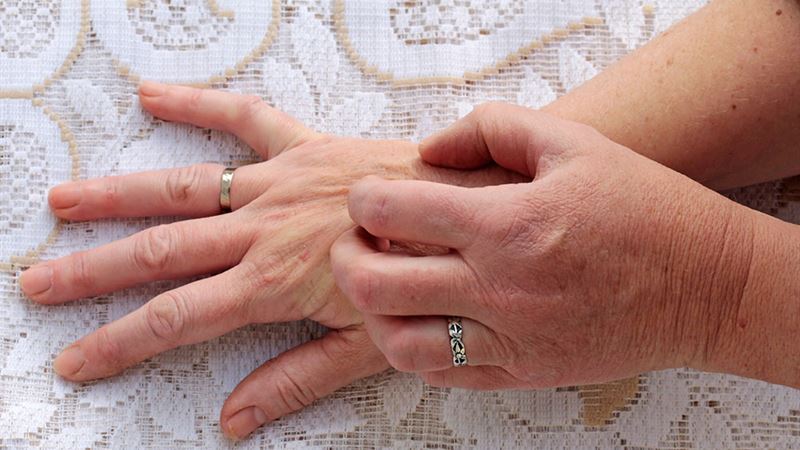
Scabies is a highly contagious skin condition characterized by intense itching and distinctive skin rashes. The underlying culprit is a microscopic mite that infiltrates the skin, often leading to a persistent skin infestation. This article offers a detailed exploration of the symptoms, causes, diagnosis, treatment options, and preventive strategies to combat scabies effectively.
Understanding the clinical presentation of scabies is crucial. The primary symptoms include severe itching, especially at night, and the appearance of small red bumps or blisters. These skin changes typically appear in specific areas depending on age groups. In adults and older children, they tend to cluster around the fingers, wrists, armpits, waistline, knees, groin, and around the genitalia. In infants and young children, lesions frequently develop on the scalp, face, palms, and soles of the feet. Recognizing these signs early can facilitate prompt treatment and prevent complications.
A notable feature of scabies is the presence of burrow lines—thin, irregular, tunneled tracks that reflect the path of the female mite as it burrows into the skin to lay eggs. These tracks often appear as slightly raised, reddened lines that are almost invisible to the naked eye until examined closely. The mites are invisible without magnification, underscoring the importance of professional diagnosis.
Initially, scabies symptoms may mimic other common skin conditions such as eczema, allergic reactions, or insect bites, making diagnosis challenging. However, the persistent and worsening itch coupled with characteristic skin markings distinguishes scabies from other rashes. The itching often intensifies at night and can lead to significant discomfort, sleep disturbances, and secondary bacterial infections from scratching, such as impetigo.
Crucially, if untreated, scabies can evolve into more severe forms, including crusted or Norwegian scabies, especially in immunocompromised individuals. In crusted scabies, thick crusts of skin filled with mites develop, and extensive skin involvement occurs — a highly contagious condition that requires aggressive treatment.
Understanding the causative agent of scabies is vital. The mite responsible is Sarcoptes scabiei, a tiny, eight-legged parasite that burrows into the upper layer of the skin. The female mite creates tunnels where she deposits eggs; larvae hatch, mature, and repeat the cycle, leading to widespread infestation. The body's immune response to the mites, their eggs, and waste products results in intense itching and skin inflammation.
Transmission of scabies primarily occurs through close physical contact, including sexual contact, prolonged skin-to-skin interactions, or sharing contaminated bedding, clothing, or towels. It does not usually spread via animals; although certain mite species infect animals, they rarely cause human infestation or skin reactions. Thus, household and close-contact settings are common sites for spread, emphasizing the importance of comprehensive control measures.
Effective management of scabies involves targeted treatment to eradicate the mites and their eggs. Medical professionals typically recommend topical scabicides—medications applied to the entire body—from the neck down, left for a specified period, then washed off. Repeat applications are often necessary if new symptoms emerge. In some cases, oral medications such as ivermectin are prescribed, especially for crusted scabies or extensive cases. It's imperative to follow the healthcare provider's instructions carefully to ensure successful eradication of the infestation.
Common medications include permethrin cream, lindane lotion, crotamiton, and ivermectin tablets. However, caution is advised for vulnerable populations such as pregnant women, infants, elderly patients, or those with compromised immune systems. These groups require personalized treatment plans designed to minimize risks and maximize safety. Always consult a healthcare professional before initiating any medication regimen.
Since scabies is highly contagious, it is essential that all close contacts—including family members, roommates, and sexual partners—receive appropriate treatment, even if asymptomatic. This prevents re-infestation and breaks the cycle of transmission. Alongside pharmacological therapy, environmental measures are crucial.
Thorough cleaning of the environment significantly reduces the risk of ongoing infestation. Clothing, bedding, and towels should be washed in hot water and dried on high heat. Items that cannot be washed should be sealed in plastic bags for at least 72 hours to kill any dormant mites or eggs. Regular vacuuming of carpets, upholstery, and mattresses further eliminates residual mites, helping to prevent reinfection.
Adopting personal hygiene practices and environmental hygiene protocols are fundamental to control and prevent scabies outbreaks. Educating affected individuals about the transmission routes and hygiene measures is essential in managing outbreaks effectively. When in doubt, seek medical consultation for accurate diagnosis and personalized treatment options to ensure complete resolution of symptoms and avoid complications.