
Effective Strategies for Managing Elevated LDL Cholesterol Levels Safely
Discover comprehensive and safe methods for managing high LDL cholesterol levels. Learn about dietary choices, lifestyle changes, and medical treatments to lower bad cholesterol and promote heart health effectively. This detailed guide provides practical strategies to reduce cardiovascular risks associated with high LDL cholesterol in a safe and sustainable manner.
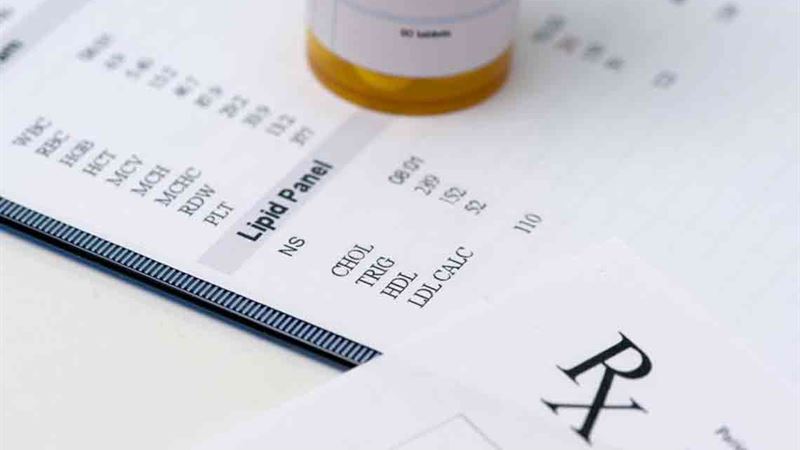
Low-density lipoprotein (LDL) cholesterol, often referred to as the “bad” cholesterol, is primarily produced by the liver and plays a vital role in building cell structures, hormone synthesis, and aiding digestion. When LDL cholesterol levels become excessively high, it can lead to the accumulation of fatty deposits within the walls of arteries, forming plaque. This buildup narrows the arteries, impedes normal blood flow, and heightens the risk of heart attacks, strokes, and other cardiovascular diseases. Fortunately, there are numerous safe, evidence-based methods to effectively lower high LDL cholesterol levels and reduce associated health risks.
Contrastingly, high-density lipoprotein (HDL) cholesterol, known as the “good” cholesterol, functions differently. It helps transport excess cholesterol from various parts of the body back to the liver for breakdown and elimination, helping to maintain a healthy balance in blood cholesterol levels.
Recognizing the Signs and Symptoms of Elevated Cholesterol
Usually, high cholesterol does not cause noticeable symptoms. Many individuals are unaware of their elevated levels until they develop serious cardiovascular conditions like coronary artery disease. The only reliable way to determine cholesterol levels is through blood testing. It’s recommended that adults begin screening at age 20 and repeat tests every five years, or more frequently if risk factors are present. Routine screening is crucial, especially if you have a family history of high cholesterol, heart disease, or other related health issues.
Factors that contribute to high cholesterol include lifestyle choices, genetic predisposition, and other health conditions such as diabetes, high blood pressure, and smoking. Addressing these risks proactively through regular testing and medical consultation is essential for maintaining cardiovascular health.
Comprehensive Approaches to Lowering LDL Cholesterol
Managing high LDL cholesterol involves a multifaceted approach that combines lifestyle modifications with medical interventions when necessary. Some of the most effective strategies include:
- Adopting a heart-healthy diet rich in fiber, healthy fats, and plant-based foods. This involves reducing intake of saturated fats, trans fats, and dietary cholesterol.
- Incorporating foods that help manage cholesterol levels, such as oats, apples, bananas, oranges, pears, and legumes like lentils and chickpeas, which contain high levels of soluble fiber. These foods help reduce LDL cholesterol by binding to fats in the digestive system.
- Eating fatty fish like salmon, mackerel, and tuna, which are abundant in omega-3 fatty acids known to lower triglycerides and prevent blood clot formation, significantly protecting against heart disease.
- Switching to plant-based diets, which emphasize fruits, vegetables, nuts, seeds, and whole grains, contributing to the reduction of arterial plaque buildup and improving overall heart health.
Dietary Habits to Limit or Avoid
- Saturated fats found in red meats, full-fat dairy, processed meats, sweets, baked goods, and fried foods should be minimized.
- Avoid trans fats commonly present in margarine, commercially baked goods, and snack foods, as these significantly raise LDL cholesterol.
- Limit dietary cholesterol intake from high-cholesterol foods like organ meats, shellfish, and egg yolks.
- Reduce sodium consumption by avoiding salty processed foods and using herbs and spices for flavoring.
- Moderate alcohol intake, since excessive consumption can elevate blood pressure and triglyceride levels, compounding cardiovascular risk.
- Read nutrition labels carefully, paying attention to saturated fat, trans fat, sodium, and cholesterol content to make heart-healthy choices.
Achieving and maintaining a healthy weight is pivotal in managing high LDL levels. Excess weight, especially around the abdomen, correlates strongly with increased LDL cholesterol and cardiovascular risk. Regular physical activity, such as brisk walking, cycling, or swimming, can help lower LDL cholesterol and boost HDL levels. Just 30 minutes of moderate exercise most days of the week can make a significant difference in your heart health.
The Role of Pharmacological Treatments in Cholesterol Management
When lifestyle modifications are insufficient, healthcare providers may prescribe medications to help control high LDL cholesterol. While there is no permanent cure for high cholesterol, these medications effectively maintain levels within safe limits, significantly decreasing cardiovascular risks. Consistent medication adherence, combined with lifestyle changes, ensures optimal outcomes.
The primary classes of cholesterol-lowering drugs include:
- Statins – widely prescribed drugs that inhibit cholesterol production in the liver.
- Bile Acid Sequestrants – bind bile acids in the gut, prompting the body to use more cholesterol to produce new bile acids.
- Nicotinic Acid (Niacin) – reduces LDL and triglycerides while raising HDL.
- Fibrate drugs – primarily used to lower triglyceride levels but also beneficial for LDL reduction.
- Ezetimibe – blocks absorption of cholesterol in the intestines.
Natural Supplements and Alternative Options
Several dietary supplements are marketed for cholesterol management, including omega-3 fish oils, artichoke extract, and green tea extract. While these natural products may contribute to lowering LDL cholesterol, scientific evidence supporting their efficacy remains limited. Always consult your healthcare provider before starting any supplement, especially if you are on prescribed medications.
Combining lifestyle changes, prescribed medications, and supplements under medical guidance offers the most comprehensive approach to managing high LDL cholesterol. Following your doctor’s recommendations ensures safe and effective control of your cholesterol levels, reducing your risk of cardiovascular disease.