
Comprehensive Guide to Roof Replacement: Everything You Need to Know
This comprehensive guide covers all aspects of roof replacement, from initial assessment and material selection to installation steps and costs. Learn how to plan, execute, and manage your roofing project effectively with tips on materials, timelines, and budgeting strategies for a durable, aesthetically pleasing roof that offers long-term protection for your home.
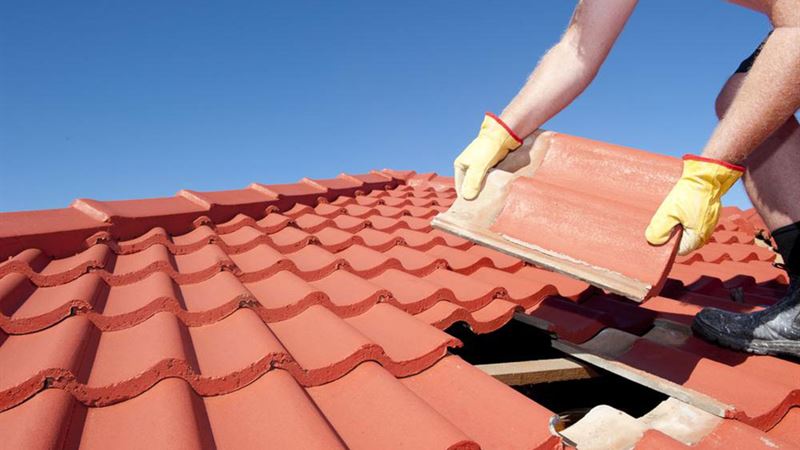
- Removing Old Roofing Materials
The initial step involves stripping away existing shingles and any damaged roofing components. Skilled crews carefully remove old materials, ensuring no debris injures landscape or property. They also clear damaged edges and roofing elements that are no longer functional. During this process, it's crucial that the team meticulously removes all nails and metal pieces that could pose hazards or interfere with the new installation. Proper disposal of old shingles and debris is essential for cleanliness and safety.
- Assessing and Repairing the Roof
Once old materials are cleared, contractors evaluate the condition of the underlying roof deck. Minor damages like loose or broken boards are repaired to ensure a stable base. If the damage is extensive, replacing large sections of the deck may be necessary. In cases where the roof's structure remains solid, targeted repairs can extend the lifespan of the original structure, saving costs overall. When repairs are insufficient, full replacement becomes the most viable option.
- Implementing Ice and Water Shielding
If your property is located in a region prone to snow and ice, installing waterproof barriers is crucial. These synthetic membranes are designed to prevent melting snow from seeping into the roof structure, which can cause water damage. The crew meticulously lays down an ice and water shield along the eaves, valleys, and vulnerable spots to enhance protection during winter months.
- Applying Roofing Underlayment
The next step involves covering the roof deck with asphalt roofing paper, a waterproof barrier that provides an additional layer of defense against moisture intrusion. This underlayment is rolled out systematically, overlapping the edges to ensure seamless water resistance. Proper installation is essential to prevent leaks and extend the roof's service life.
- Installing Drip Edges and Valley Flashings
Metal drip edges are nailed along the edges of the roof to help direct water away from the fascia and underlying structures. Likewise, valley flashings are installed at intersections where two roof planes meet, ensuring water runs off efficiently. Proper installation of these components prevents water from seeping into vulnerable joints, thereby reducing the risk of leaks and water damage.
- Laying Down Shingles
The primary roofing material—shingles—is installed sequentially from the bottom edge upward. Starting at the eaves, each row overlaps the previous one, ensuring water runoff is directed away from the roof. Different types of shingles, such as asphalt, wood, metal, or slate, offer various aesthetic and durability benefits. Proper alignment and fastening are critical to withstand high winds and heavy rains.
- Proper Flashing and Ventilation Installation
Flashing around chimneys, vents, and skylights acts as a waterproof sealant, preventing moisture infiltration at these penetrations. Ridge vents installed along the roof's peak promote proper attic airflow, reducing heat buildup and moisture accumulation. Accurate installation of these components ensures the roof performs optimally across all seasons, protecting your home's interior from damage.
- Final Inspection and Cleanup
Once the installation is complete, the crew performs a thorough inspection to verify all components are correctly installed and secure. They also remove all debris and leftover materials, leaving your property clean and ready. This final step guarantees the quality of the roof replacement and prepares your home for regular use.
Types of Roofing Materials
- Asphalt Composition Shingles
The most common and cost-effective choice, asphalt shingles are appreciated for their ease of installation and wide variety of styles. They typically last 20-30 years but are considered less visually striking compared to other materials. Perfect for budget-conscious homeowners, these shingles can be easily recycled or replaced as needed.
- Wood Shingles and Shakes
Opting for wood materials adds natural charm to your home. Durable and attractive, wood shingles require higher investment and maintenance. They are ideal for those seeking a rustic or traditional aesthetic. Be aware that wood shingles are more susceptible to fire unless treated with fire-resistant coatings.
- Metal Roofing
Metal roofs, such as aluminum or steel, are renowned for their longevity—often exceeding 50 years—and fireproof qualities. They are lightweight, environmentally friendly, and energy-efficient due to reflectivity. Although initially expensive, their durability can offset the high upfront cost over time.
- Slate Roofing
Known for their elegance and durability, slate roofs are a luxury option with a lifespan of up to 100 years. Their natural appearance enhances curb appeal but comes with high costs and complex installation. Repairs can be challenging, but their enduring beauty makes them a worthwhile investment.
- Composite or Synthetic Slate
To emulate the aesthetic of natural slate without its weight and fragility, composite slates are crafted from recycled materials. They offer a balance between appearance and durability, making them increasingly popular among eco-conscious homeowners.
- Clay and Concrete Tiles
Spanish-style clay tiles are renowned for their vibrant color and Mediterranean charm. However, due to weight and installation complexity, they are less common today, replaced by more versatile materials. Concrete tiles offer similar looks with added benefits of strength and lower cost.
Cost Factors for Roof Replacement
The total costs for replacing a roof vary widely, influenced by the choice of materials, roof size, and labor charges. Here’s a breakdown of typical expenses to help you plan your budget:
- Concrete tile roofs can cost up to $40,000
- Clay tile installations reach approximately $50,000
- Standard three-tab asphalt shingles are around $12,000
- High-end 30-year shingles generally cost about $15,000
- Lifetime 50-year shingles can be priced up to $20,000
- Steel roofing installations are approximately $25,000
- Aluminum roofing costs may go up to $28,000
- Standing-seam steel systems could be around $30,000
- Natural slates tend to be on the higher end at $50,000
- EPDM rubber membranes are about $14,000
- TPO or PVC membrane-based roofs typically cost up to $15,000
- Wood shingles have a price estimate around $25,000
To reduce costs, consider scheduling your roof replacement during off-peak seasons like late fall or winter. Reduced demand often translates into more competitive bids from contractors, helping you save money while still getting quality craftsmanship.