
Comprehensive Guide to Roofing Shingles: Types, Benefits, and Installation Tips
This comprehensive guide explores various roofing shingles, detailing their types, benefits, installation process, and maintenance tips. Discover how to choose the right roofing material for durability, aesthetics, and energy efficiency. Learn professional installation techniques and maintenance practices to extend your roof's lifespan, ensuring your home remains protected and beautiful for years to come.
Homeowners usually select their roofing material based on cost, appearance, climate considerations, and longevity. Here, we explore the primary categories of shingles available on the market today:
- Three-Tab Asphalt Shingles: These are among the most widely used roofing materials because of their affordability and simplicity. They feature a flat, uniform appearance, with each shingle comprising a single layer of asphalt with cutouts that create the classic three-tab look. These shingles are lightweight, easy to install, and generally last between 20 and 30 years. They are ideal for traditional homes and offer good resistance to wind and rain but are less durable in extreme weather conditions.
- Architectural or Dimensional Shingles: These premium shingles are a step above basic asphalt options, providing a more textured and three-dimensional effect that mimics the appearance of wood shakes or slate. Constructed with multiple layers or more asphalt, these shingles feature a thicker profile, resulting in increased durability and enhanced curb appeal. Their lifespan extends up to 40 years or more, and they provide superior resistance to wind uplift and impact damage, making them suitable for diverse climates.
- Luxury Shingles: Representing the high end of roofing solutions, luxury shingles are designed to replicate the elegance of natural materials like slate, wood, or clay tiles. Made with advanced composite materials or layered asphalt, these shingles are tailored for homeowners who desire a sophisticated look combined with long-lasting performance. Although they come at a higher price point, their aesthetic qualities and durability can significantly elevate a property's value.
Specialized Roofing Materials
- Wood Shingles and Shakes: Crafted from cedar, redwood, or other durable hardwoods, wood shingles and shakes lend a unique rustic charm to homes, especially those with a traditional or Craftsman style. Shingles are machine-cut with smooth surfaces, while shakes are hand-split, resulting in a rougher, more textured appearance. They naturally blend with outdoor environments, offering excellent insulation and aesthetic appeal. However, wood roofs demand regular maintenance to prevent decay, moss, and insect infestations. They generally cost more than asphalt but provide timeless beauty.
- Metal Shingles: Metal roofing has gained popularity for its strength and sustainability. Made from aluminum, steel, copper, or zinc, metal shingles are highly resistant to impact, fire, and severe weather. Their lifespan can exceed 50 years, and they are highly recyclable, making them environmentally friendly. Metal shingles are lightweight and require minimal maintenance, offering a sleek, modern appearance that suitable for contemporary architectural designs. They are particularly advantageous in areas prone to heavy snow or strong winds.
- Slate Shingles: Known for their unmatched elegance and longevity, slate shingles are natural stone tiles that add a sense of luxury and durability to any home. They can last over a century with minimal upkeep but are notably heavy, requiring a robust roof structure. Installation is complex and costly, but slate offers exceptional resistance to fire, mold, and rot. Homeowners seeking a timeless, high-end look often choose slate for historic restorations or upscale properties.
- Clay and Concrete Tiles: Recognized for their distinct Mediterranean or Spanish architectural style, clay and concrete tiles are celebrated for their durability and fire resistance. These tiles are heavy and require reinforced support structures, but their resistance to insects, rot, and weather makes them a reliable choice in warm climates. They come in various colors and styles, adding aesthetic diversity and lasting appeal to classic and tropical homes.
Advantages of Using Roofing Shingles
The selection of roofing shingles influences a building's overall look, durability, and energy efficiency. Here are some compelling reasons to choose shingles:
- Enhanced Durability: Modern shingles are engineered to withstand wind, rain, hail, and temperature fluctuations, preventing premature deterioration and reducing repair costs.
- Versatile Aesthetics: With numerous styles, colors, and finishes available, shingles can be tailored to match any architectural style, enhancing curb appeal.
- Improved Energy Efficiency: Some shingles, particularly those with reflective coatings or lighter colors, help reflect sunlight and keep interiors cooler, reducing cooling energy expenses.
- Cost-Effective Solutions: Asphalt shingles provide an economical option with a good balance of performance and price, and their ease of installation cuts labor costs.
- Low Maintenance Requirements: Properly installed shingles typically require only periodic inspections, cleaning, and minor repairs to maintain performance.
Steps to Properly Install Roofing Shingles
Installing roofing shingles is a meticulous process that optimally should be performed by experienced roofing professionals. Proper installation ensures shingles perform effectively and last longer. Here's an overview of the typical process:
- Initial Inspection and Site Preparation: Before beginning, the existing roof must be inspected thoroughly for damage or decay. All old shingles, debris, and faulty materials should be removed entirely. The roof deck requires repairs if any rotting or structural issues are identified. A layer of roofing underlayment or felt paper is then laid over the deck to provide an additional moisture barrier.
- Installing Starter Shingles: These serve as the foundation for the main shingles, installed along the eaves and rakes to provide a secure edge and enhance water runoff. Proper alignment of starter shingles is vital for the overall appearance and effectiveness of the roof.
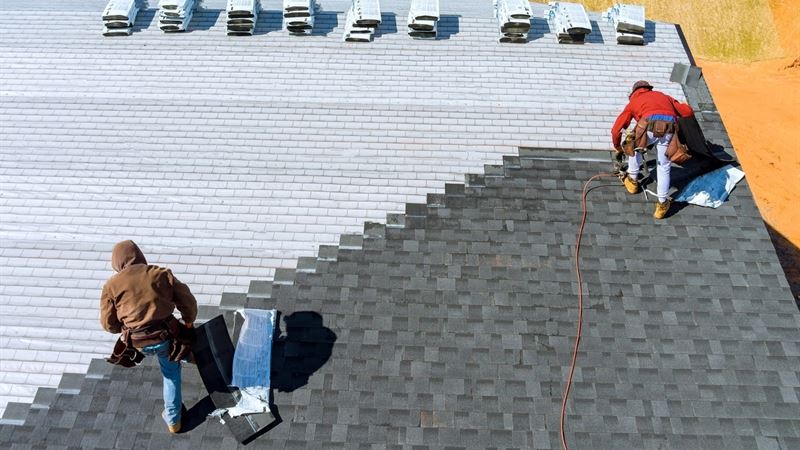
- Applying the Main Shingle Rows: The shingles are laid starting from the bottom of the roof, working upwards in overlapping courses. Each successive row overlaps the previous, covering nail heads and preventing water penetration. Alignment and spacing should be meticulously maintained for a uniform look and optimal performance.
- Finishing Details: As the installation nears completion, ridge caps are installed along the roof apex for wind resistance and aesthetic finish. Additional flashing is installed around roof penetrations like chimneys, vents, and skylights to prevent leaks.
Essential Maintenance Tips for Longevity
Proper maintenance enhances the lifespan of your roofing shingles and prevents costly repairs over time. Here are critical maintenance practices:
- Regular Inspections: Conduct visual inspections biannually and after severe weather events to identify damage or missing shingles promptly.
- Gutter Cleaning: Maintain clean gutters and downspouts to ensure proper water drainage and prevent excess weight on the roof structure.
- Remove Debris: Clear leaves, twigs, and dirt from the roof surface to prevent moisture retention, moss growth, and algae formation.
- Trim Overhanging Branches: Keep branches away from the roof to avoid shingle damage and pest pathways.
- Prompt Repairs: Address minor issues such as damaged or loose shingles immediately to prevent leaks and further deterioration.
In conclusion, the choice of roofing shingles greatly influences your home’s protection, energy efficiency, and curb appeal. Understanding the different options—from affordable asphalt to luxurious slate—allows homeowners to select materials best suited for their environment and aesthetic desires. Proper installation and ongoing maintenance are essential to maximize the lifespan and performance of your roof, safeguarding your investment and enhancing your property’s value for decades to come. Whether you favor classic, natural, or modern styles, the right roofing shingles can transform your home into a resilient and attractive masterpiece.