
Effective Natural Strategies to Alleviate Rheumatoid Arthritis Discomfort
This detailed guide explores natural, effective methods for managing rheumatoid arthritis pain. It highlights the importance of exercise, heat therapy, Tai Chi, and joint stretching, alongside lifestyle changes, to improve joint health and reduce discomfort. Suitable for those seeking alternatives or supplementary treatments, it emphasizes early diagnosis and personalized strategies for a better quality of life.
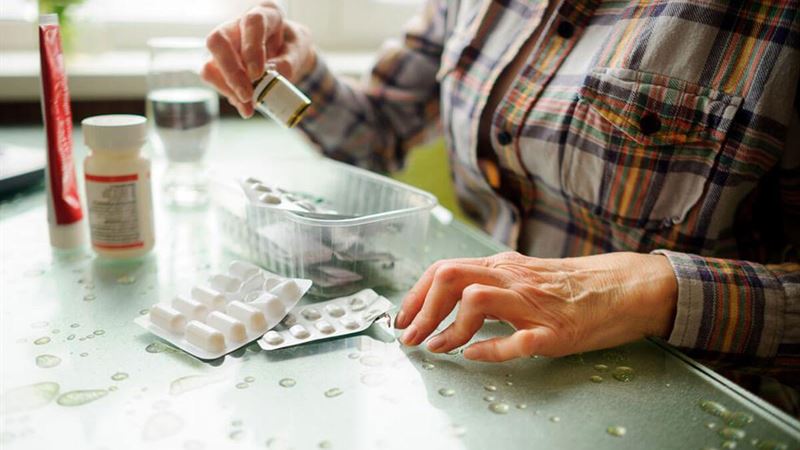
Rheumatoid arthritis (RA) is a chronic inflammatory disorder affecting the joints, and despite extensive research, its exact cause remains unknown. Medical science suggests that an autoimmune response is responsible, where the immune system mistakenly targets healthy joint tissues, leading to inflammation, pain, and stiffness. While no definitive cure exists, understanding the underlying mechanisms and exploring natural remedies can significantly improve quality of life. This comprehensive guide delves into the complexities of RA, current treatment options, and proven natural approaches for relief.
Rheumatoid arthritis manifests through a variety of symptoms including swollen, tender joints, persistent pain, fatigue, redness, morning stiffness, and decreased joint mobility. The severity and pattern of symptoms vary widely among individuals. Some experience debilitating pain that hampers daily activities, while others may describe their discomfort as mild and manageable. Diagnosing RA can be challenging as no single test confirms the condition definitively. Healthcare providers typically rely on a combination of clinical evaluations, blood tests—such as rheumatoid factor (RF) and anti-CCP antibodies—and imaging studies to arrive at an accurate diagnosis.
Over half of those diagnosed with RA show elevated levels of rheumatoid factor in their blood. However, RF presence alone does not guarantee an RA diagnosis; it’s just one piece of the puzzle. A comprehensive assessment that includes symptom history, physical examination, and additional laboratory tests is essential for an accurate diagnosis. Early detection is crucial because timely intervention can slow disease progression, preserve joint function, and improve overall prognosis.
Conventional treatment strategies for RA typically involve a combination of medications, physical therapy, lifestyle adjustments, and sometimes surgical procedures. The primary goal of these interventions is to reduce inflammation, alleviate pain, and prevent joint damage. Common medications include non-steroidal anti-inflammatory drugs (NSAIDs), corticosteroids, disease-modifying anti-rheumatic drugs (DMARDs), and biologic agents. While these treatments are effective in controlling symptoms, they may carry side effects and are not suitable for all patients.
For individuals seeking alternatives to pharmacological therapies, natural remedies and lifestyle modifications can offer significant relief. These approaches aim to reduce inflammation, improve joint function, and enhance overall well-being without the adverse effects associated with medication. Below are some evidence-based natural strategies to manage RA symptoms effectively.
- Regular Physical Activity
Engaging in gentle, low-impact exercise routines can help strengthen muscles around the joints, increase flexibility, and decrease stiffness. Activities such as walking, aquatic exercises, swimming, and gentle stretching are highly recommended. These exercises promote circulation and help reduce fatigue while improving mobility. However, it’s imperative to listen to your body: avoid pushing through pain, and consult a physical therapist to design an exercise plan tailored to your specific needs and limitations. Consistent movement is proven to delay joint deterioration and support joint health.
- Warm Baths and Moist Heat
Applying heat is a time-honored remedy for RA pain relief. According to physical therapy expert Rhonda Reininger, moist heat provides the best relief for inflamed joints. Soaking in a warm bath or taking warm showers can relax tense muscles and reduce joint stiffness. Additionally, moist heating pads applied directly to affected areas for 10 to 15 minutes can ease discomfort and improve flexibility. Heat therapy increases blood flow, relaxes muscles, and alleviates pain associated with joint inflammation.
- Mind-Body Practices: Tai Chi
This ancient Chinese martial art integrates slow, deliberate movements with controlled breathing and meditation. Tai Chi has gained recognition as a beneficial practice for managing RA. Research indicates that regular practice can improve joint stability, reduce pain, and enhance overall physical function. When performing Tai Chi, precision and safety are critical, so ensure instruction from a qualified teacher. The gentle nature of Tai Chi makes it suitable for many with joint issues, and its calming effects can also help address stress, which sometimes exacerbates RA symptoms.
- Daily Joint Stretching
Consistent stretching routines are vital for maintaining and improving joint range of motion. A physical therapist can develop a personalized stretching regimen that targets your affected joints without causing strain. Morning stretching can be particularly beneficial in alleviating stiffness, especially after waking. Reininger emphasizes that warming up joints with a shower followed by targeted stretching helps loosen stiff joints and prepares you for daily activities. Over time, regular stretching can reduce stiffness, prevent deformities, and lessen pain episodes.
Beyond these strategies, lifestyle choices such as adopting an anti-inflammatory diet, managing stress, maintaining a healthy weight, and exploring herbal supplements may further contribute to symptom relief. It is important to discuss any new remedies or dietary modifications with your healthcare provider to ensure they complement your existing treatment plan.