
Comprehensive Guide to Red Light Therapy: Benefits, Uses, and Top Devices
Discover the benefits and top devices of red light therapy, a safe, non-invasive treatment to improve skin health, speed up healing, and reduce signs of aging. Learn how to choose the best device for your needs and tips for safe, effective use at home or professionally.
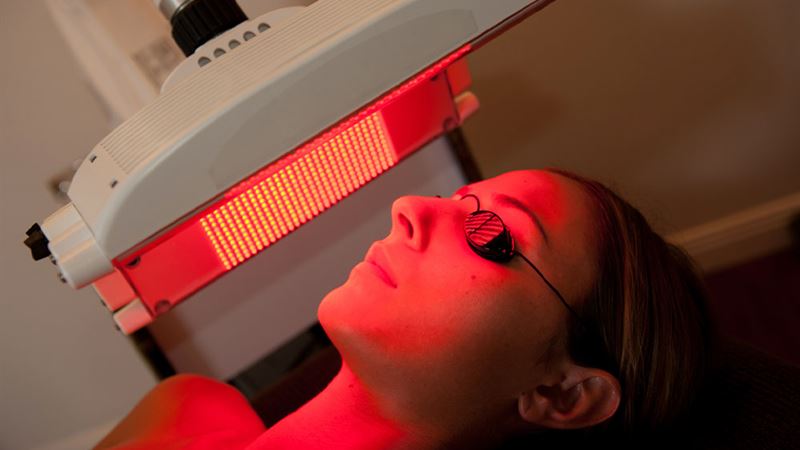
Unlike laser treatments or intense pulsed light (IPL) procedures, red light therapy does not cause damage to the outer skin layers. While lasers and IPL often work by deliberately injuring the skin’s surface to promote healing, RLT operates at a depth of approximately 5 millimeters beneath the skin, stimulating cellular processes without the risk of surface damage. This makes it an appealing option for individuals seeking effective results without discomfort or downtime.
Popular Uses and Clinical Benefits
- Skin rejuvenation: RLT enhances collagen synthesis, improving skin elasticity, reducing fine lines, wrinkles, age spots, scars, and stretch marks. It also increases blood flow, helping to deliver nutrients and oxygen to skin tissues, giving a healthier, more youthful appearance.
- Acne management and skin texture improvement: By regulating sebum production and reducing inflammation, red light therapy can help manage breakouts and improve uneven pigmentation, resulting in smoother skin with a more even tone.
- Wound healing and scar treatment: The therapy accelerates repair by increasing circulation and oxygen delivery to damaged tissue, promoting faster healing of cuts, bruises, burns, and surgical scars.
- Pain relief and inflammation reduction: Athletes and those with chronic pain conditions have found RLT effective in alleviating discomfort and reducing inflammation in muscles and joints.
- Hair growth support: Some studies suggest RLT may stimulate hair follicle activity, aiding those with thinning hair or androgenetic alopecia.
The effectiveness of red light therapy continues to be studied, and results can differ from individual to individual. It’s essential to consult healthcare providers prior to initiating treatment, especially for those with underlying health conditions or skin sensitivities. While current evidence supports RLT as a safe, non-invasive therapy, proper guidance ensures optimal results and minimizes potential risks.
Key Benefits of Red Light Therapy
- Stimulates natural collagen production for youthful skin
- Accelerates healing of wounds, scars, and injuries
- Reduces signs of aging such as wrinkles and age spots
- Supports healthier skin by balancing oil production
Choosing the Right Red Light Therapy Device
When considering home-use RLT devices, it is important to select tools that are safe, effective, and suitable for your needs. Consulting a dermatologist or healthcare professional can help determine the best device and regimen. Most devices are compact, easy to operate, and designed for targeted or full-body treatments. Here are some of the leading options on the market:
- Joovv Solo 3.0 – Designed for versatility, this device features high-quality red and near-infrared LEDs, a large treatment area, and adjustable brightness settings. Its user-friendly app makes scheduling and controlling treatments straightforward.
- LightStim – Known for innovation and reliability, LightStim offers handheld, FDA-cleared devices that combine multiple wavelengths to target wrinkles, acne, and pain. Portable and easy to use, they provide customizable treatment durations.
- Skin Gym Revilit LED Panel – Popular among professionals, these standalone panels feature high-intensity LEDs over a broad range of wavelengths, making them effective for larger areas and multiple skin concerns. Portable and durable, suitable for home use.
- RedRush 720 – This professional-grade panel delivers powerful, high-intensity treatments with 720 LEDs capable of emitting red and near-infrared light. It’s favored by athletes and clinicians for its rapid results and adjustable settings.
Safety, Practical Tips, and Usage Guidelines
While red light therapy is generally considered safe, moderation and correct usage are key. Overuse can lead to skin dryness or irritation, so following manufacturer instructions and consulting professionals is essential. Usually, treatments range from 10 to 20 minutes per session, a few times a week. It's best to start with shorter sessions to assess skin response before increasing duration.
In addition, ensure your device is properly maintained, clean, and used at the proper distance from the skin for effective light penetration. Consistency over weeks or months often yields the best results. Remember, individuals with certain health conditions or skin diseases should seek medical advice before beginning RLT.
Alternatives and Complementary Therapies
- Blue light therapy: Primarily used for acne vulgaris due to its antibacterial effects.
- Green light therapy: Often targeted at reducing pigmentation and redness.
- Ultraviolet B (UVB): Uses UV light to treat psoriasis and other skin conditions.
- Laser skin resurfacing: A more aggressive treatment for deep wrinkles and scars, performed by professionals.
In conclusion, red light therapy presents a promising, non-invasive approach to skin rejuvenation, healing, and pain management. With a variety of devices available for home use and ongoing research supporting its benefits, RLT continues to grow as a preferred treatment modality for those seeking safe and effective wellness solutions beyond traditional medicine.