
Comprehensive Guide to Investing in Gold in 2017: Why It Matters and How to Get Started
Explore comprehensive reasons and strategies for investing in gold in 2017. Understand how economic trends, geopolitical risks, and market fundamentals make gold a vital safe haven, offering protection and growth in turbulent times. Learn key factors influencing gold prices and how to incorporate gold into your investment portfolio effectively.
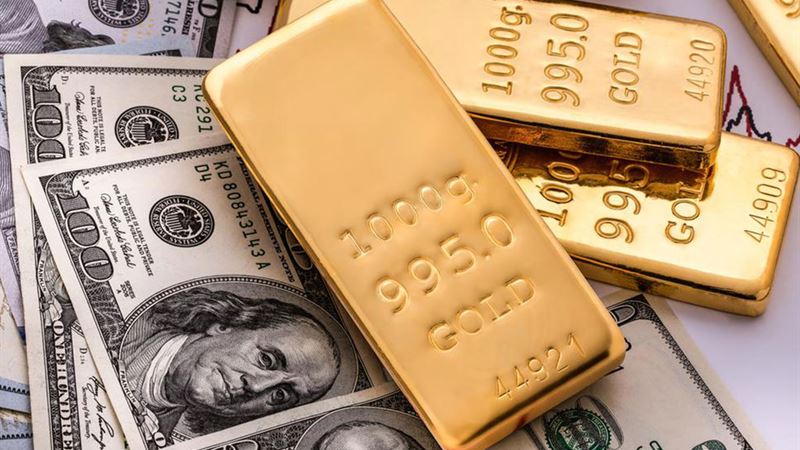
As we delve into the economic landscape of 2017, one investment avenue continues to garner significant attention: gold. Why is gold considered a safe haven in turbulent times, and how can investors leverage it for maximum benefit? Understanding the multifaceted reasons behind investing in gold this year is essential for both seasoned investors and newcomers alike. This comprehensive guide explores the primary factors influencing gold's appeal in 2017, the advantages of including gold in your investment portfolio, and strategic steps to take in pursuing gold investments effectively.
In recent years, the global economy has faced unprecedented challenges, from political uncertainties to unpredictable financial markets. These conditions have heightened the allure of gold as a stable store of value. This article aims to offer an in-depth analysis of why investing in gold in 2017 remains a smart move, supported by economic trends, geopolitical developments, and market indicators.
- Declining Bond Yields and Rising Inflation: One key driver of gold's attractiveness is the combination of decreasing bond yields and escalating inflation rates. When the interest rates on government bonds, particularly those with a five-year maturity, diminish relative to inflation, the real return becomes negative. This economic environment makes traditional fixed-income investments less appealing, prompting investors to turn to alternative assets like gold. During 2017, we observe that bond yields have fallen, and inflation has crept upward, creating an ideal climate for gold to shine. As the U.S. dollar weakens—losing approximately 7% over the past year—gold prices have surged, reflecting investor trust in tangible assets in uncertain financial conditions. Historically, gold tends to perform well during periods when the equity markets falter or when the dollar weakens, making it a strategic hedge against downturns.
- Gold as a Viable Investment: Analysts predict that gold prices in 2017 could range from $1,200 to $1,500 per ounce, underscoring its role as a safe store of wealth. The stability and intrinsic value of gold appeal to investors seeking refuge amid volatile markets. Unlike paper assets, gold has a storied history of retaining its worth across centuries and geopolitical upheavals. This resilience makes it an attractive addition to diversified portfolios, especially when economic indicators signal potential downturns.
- Market Unpredictability and Fundamental Drivers: Financial markets are inherently complex and often unpredictable in the short term. However, underlying economic and political fundamentals—including central bank policies, global trade dynamics, and geopolitical tensions—dictate long-term asset valuation. Recognizing these fundamentals, many investors consider gold a prudent safeguard against unforeseen market shocks and systemic risks.
- Safe Haven During Crises: Geopolitical instability, economic crises, and global conflicts thrust gold into the spotlight as a secure safe haven. Unlike fiat currencies, which can be affected by inflation and governmental policies, gold maintains its value even amidst chaos. Experts and financial advisors often recommend allocating a portion of your portfolio to gold during times of heightened uncertainty, such as international conflicts or economic downturns. Given today's persistent economic turmoil—low commodity prices, sluggish global trade, and capital flight—gold stands out as a reliable refuge for risk-averse investors.
- Loss of Confidence in Paper Currency: In times when market sentiment shifts away from paper currencies, gold regains its status as an essential store of value. Historically, gold has never lost its intrinsic worth, and its capacity to preserve purchasing power makes it particularly appealing when fiat currencies face devaluation or hyperinflation. For individuals seeking to safeguard their wealth against currency debasement, gold serves as an effective hedge.
- Currency Fluctuations and the U.S. Dollar: The strength of the dollar significantly impacts gold prices. During periods of dollar weakness, gold becomes more attractive because it offers greater value in terms of other currencies. Conversely, a strong dollar often suppresses gold prices, as investors perceive safety within the dollar. In 2017, fluctuations in the dollar have created opportunities for savvy investors to buy gold at more favorable rates when the dollar weakens. Despite some periods of dollar strength, the overall economic outlook suggests that gold may outperform paper assets in the long run, especially amid geopolitical tensions and policy uncertainties.
- Central Bank Reserves and Gold Holdings: Central banks hold substantial gold reserves—around 30,000 metric tons globally, equating to roughly 18% of the world's above-ground supply. These holdings serve as an indicator of economic stability and monetary policy. Central banks' buy-and-sell activities influence gold prices directly, depending on their strategic needs. Increasing gold reserves by governments can serve as a hedge against currency devaluation and financial instability, helping to stabilize local economies. Investors watch these movements closely, as heightened central bank demand signals confidence in gold as a secure asset class.
- Interest Rates and Gold Prices: Conventional wisdom suggests that higher interest rates tend to push gold prices down because gold does not generate interest or dividends. Nonetheless, the relationship is nuanced; long-term investors tend to focus on fundamental factors like inflation, geopolitical risks, and currency stability. During periods of low interest rates, gold often outperforms other assets, making it a compelling choice for diversification and wealth preservation.
- Supply and Demand Dynamics: Ultimately, the price of gold hinges on the delicate balance between supply and demand. The above-ground stock of gold is finite, and increased production only occurs when prices justify mining costs. This supply constraint, combined with consistent demand from investors, industries, and central banks, exerts upward pressure on prices during periods of heightened demand. Understanding these market mechanics allows investors to anticipate potential price movements and strategically position their holdings accordingly.
To sum up, investing in gold in 2017 presents a multifaceted opportunity to hedge against economic uncertainty, inflation, and geopolitical risks. By comprehending the underlying drivers, market dynamics, and fundamental principles, investors can make informed decisions to protect and grow their wealth during turbulent times. Proactively preparing for the evolving global financial landscape and diversifying with gold could vastly improve your investment resilience and long-term prosperity. Embracing gold as part of a diversified portfolio offers peace of mind and a safeguard for unpredictable economic futures. Now is the time to consider how gold can fit into your financial strategy for 2017 and beyond.