
Effective Strategies to Manage and Reduce Allergy Symptoms
Discover effective, comprehensive strategies to manage and reduce allergy symptoms. From environmental control to smart lifestyle changes, learn how to defend yourself against allergens and enjoy a more comfortable life year-round. Expert tips include protective eyewear, cleaning routines, travel planning, and medical options to help you stay allergy-free and sustain overall health.
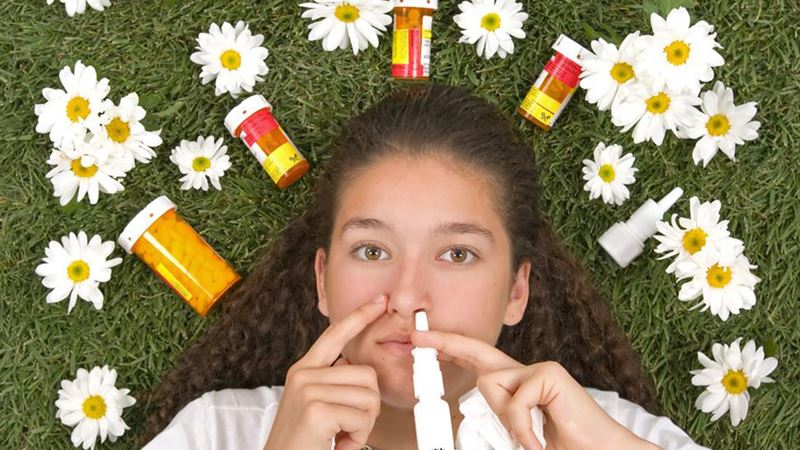
Allergies are a prevalent health issue affecting millions worldwide, often causing discomfort and disrupting daily life. The most common symptoms include itchy eyes, nasal congestion, sneezing, and skin irritations. While allergies can be persistent and challenging, adopting certain lifestyle modifications and preventive measures can significantly alleviate symptoms and improve quality of life. This comprehensive guide explores proven methods to combat allergy symptoms, including environmental adjustments, personal protective measures, and smart lifestyle choices that empower you to live comfortably despite seasonal or perennial allergies.
One of the primary indicators of allergies is irritation and redness in the eyes. An effective way to mitigate this symptom is by wearing appropriate sunglasses regularly when outdoors. Not only do sunglasses enhance your style, but they also serve as a barrier, preventing pollen, spores, and dust particles from entering your eyes—especially during high pollen seasons. Choosing sunglasses with wraparound frames offers maximum protection by covering more eye area and reducing exposure. In addition to eye protection, it is essential to keep indoor environments clean and allergen-free. Regularly washing and drying bedding, curtains, and soft furnishings in hot water effectively kills dust mites and reduces allergy-triggering allergens commonly found in these items. Dust mites thrive in warm, humid environments, particularly inside bedding and plush toys. To combat this, wash all bedding, pillowcases, and soft toys weekly with hot water at least 130°F (54°C). Follow up with a hot dryer cycle to kill any residual mites, ensuring a healthier sleeping environment for both children and adults.
Home environment management plays a crucial role in allergy control. Using high-efficiency particulate air (HEPA) filters in your HVAC systems or standalone air purifiers can significantly reduce airborne allergens such as pollen, pet dander, and mold spores. Maintaining low indoor humidity levels (ideally between 30-50%) prevents mold growth and dust mite proliferation. Regularly cleaning carpets, upholstery, and curtains helps minimize allergen accumulation, especially during peak allergy seasons. Additionally, implementing allergen-proof bedding encasements can act as an effective barrier against dust mites. For individuals sensitive to mold, ensure proper ventilation in bathrooms and basements, and promptly fix leaks or water damage to prevent mold colonies. When planning outdoor activities, be strategic about timing. Monitoring local pollen forecasts allows you to schedule errands or outdoor exercises during low pollen count days, minimizing exposure. If you need to travel or go for outdoor excursions during high pollen seasons, keep car windows rolled up and avoid areas with dense vegetation. Wearing masks during outdoor activities can also serve as an extra layer of protection against inhaling allergens.
Dietary and lifestyle modifications can further assist in allergy management. Incorporate foods rich in antioxidants, such as fruits and vegetables, to strengthen your immune system. Consider adding honey sourced locally, as some believe it may help desensitize your allergies over time, though scientific evidence varies. Avoid known allergens and irritants, including tobacco smoke, strong perfumes, and polluted environments. Staying well-hydrated helps thin mucus in nasal passages, easing congestion and discomfort. Regular exercise boosts immune function and overall health, but try to avoid outdoor activities during peak pollen times. If you have pets, bathe them regularly and keep them out of bedrooms to reduce dander exposure. Consult your healthcare provider about allergy medications, such as antihistamines, decongestants, or nasal corticosteroids, for effective symptom relief. Immunotherapy, including allergy shots, may be recommended for persistent or severe cases, offering long-term relief by gradually desensitizing your immune system to specific allergens.
Planning your vacations thoughtfully can help minimize allergy flare-ups. Choose destinations with lower pollen counts and avoid traveling during peak allergy seasons in your home region. If travel is unavoidable during high pollen periods, ensure your accommodation has proper air filtration and allergy-friendly amenities. When traveling by car, keep windows closed and use air recirculation mode to prevent allergens from entering the vehicle. Pack your allergy medications and necessary protective gear, like masks and sunglasses, to stay comfortable. During outdoor excursions, plan activities during early mornings or late evenings when pollen levels tend to be lower. Indoor activities, such as visiting museums or indoor parks, can be enjoyable alternatives when outdoor pollen levels are high. Staying informed about weather conditions and allergen forecasts allows better planning and prevents unexpected allergy symptoms during your trip.
Managing allergies is a multifaceted approach that involves environmental control, personal protection, dietary adjustments, and strategic planning. By adopting these comprehensive strategies, you can significantly reduce allergy symptoms and maintain a high quality of life. Whether it's through using protective eyewear, cleaning your environment, adjusting your travel plans, or consulting healthcare professionals, taking proactive steps empowers you to lead a healthier, more comfortable life free from the limitations of allergies.