
Advantages and Disadvantages of Outdoor Patio Heaters
This comprehensive guide explores the benefits and drawbacks of outdoor patio heaters, including their design options, fuel choices, safety considerations, and suitability for various outdoor spaces. Learn how to select the right heater to enhance your outdoor experience while considering costs, environmental impact, and safety tips for optimal use.
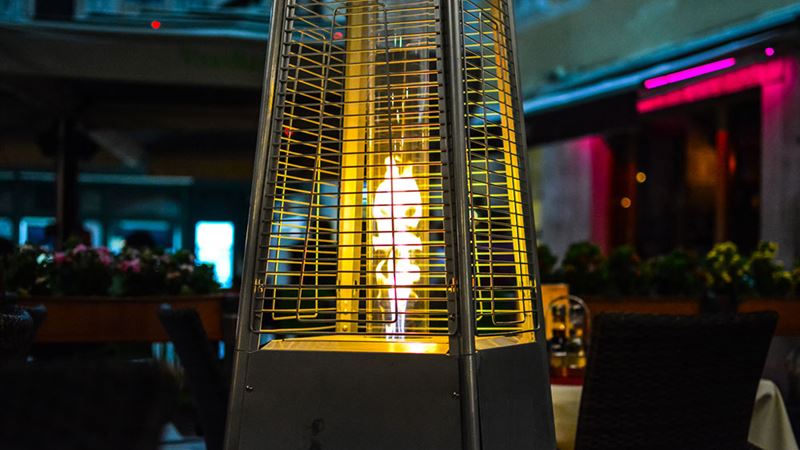
- Boosts Home Appeal and Market Value
Adding a high-quality outdoor patio heater is not just about comfort; it significantly enhances the overall attractiveness of your property. Well-designed outdoor spaces with effective heating solutions tend to appeal more to prospective buyers, potentially increasing the property's market value. By investing in a durable and stylish patio heater, homeowners create a luxurious and inviting environment that adds to the home's desirability and perceived worth. - Diverse Design Options for Personalization
Patio heaters come in a broad array of styles, materials, and sizes, allowing homeowners to customize their outdoor heating setups. Whether you prefer sleek, modern freestanding units, minimalist wall-mounted pieces, or elegant tabletop models, there's a heater tailored to fit the aesthetic of any outdoor space. This variety ensures seamless integration with existing decor and enhances the overall ambiance of patios, decks, and gardens. - Simple to Install and Easy to Move
Many patio heaters are designed with user convenience in mind, featuring straightforward installation processes that require minimal tools and effort. Their portable nature allows you to reposition them as needed, optimizing warmth coverage across your outdoor areas. Some models are lightweight and compact enough for transport during camping trips or outdoor events, bringing cozy warmth wherever you go.
- Multiple Fuel Source Options
The market offers patio heaters powered by various fuels, giving users flexibility to choose based on convenience, cost, and environmental impact. Options include propane, natural gas, electric power, and wood-burning models. This variety ensures you can select a heater that aligns with your preferences, whether you prioritize eco-friendliness, ease of use, or budget savings. - Creates Inviting Atmospheres
Beyond providing warmth, patio heaters contribute significantly to the ambiance of outdoor spaces. The gentle flicker of flames from gas models or the radiant glow of electric heaters can transform a simple patio into a cozy haven for social gatherings, dinner parties, or relaxing evenings. Proper lighting and the right heater can elevate outdoor experiences, making your patio a true extension of your indoor comfort.
Disadvantages of Patio Heaters
- Ongoing Operating Costs
While patio heaters add comfort, they can also lead to increased expenses over time. Propane and natural gas units require frequent refills or connection to a gas line, leading to recurring costs. Electric heaters, although more energy-efficient, can raise electricity bills, especially if used extensively during colder months. Budgeting for these ongoing costs is essential when planning to incorporate patio heaters into your outdoor space. - Environmental Impacts to Consider
Some models, notably those fueled by propane or natural gas, emit carbon dioxide during operation, contributing to your carbon footprint. Electric models are cleaner in terms of emissions but depend on the electricity generation method, which may involve fossil fuels. Eco-conscious consumers should evaluate these factors and consider environmentally friendly options like solar-powered heaters or models with advanced emissions controls. - Limited Coverage for Larger Areas
The heating range of most patio heaters is restricted, making it challenging to effectively warm expansive outdoor spaces. To achieve consistent warmth, multiple heaters might be necessary, increasing overall costs. Additionally, irregularly shaped or large patios require strategic placement of heaters to ensure even coverage, which can be logistically complex. - Safety Risks Associated with Open-Flame and Heating Elements
Given that many patio heaters operate with open flames or hot elements, safety precautions are vital. Risks include burns, fire hazards from nearby combustible materials, and accidental tipping. Users must follow safety guidelines strictly, keep flammable objects away, and ensure proper installation and maintenance to minimize hazards. - Weather Conditions Impact Effectiveness
Windy and extremely cold weather can impair the performance of patio heaters. Wind disperses heat and reduces efficiency, while very low temperatures might surpass the heater's capacity to produce sufficient warmth. Therefore, the effectiveness of outdoor heat depends heavily on weather conditions, and users should consider additional windbreaks or indoor heating options if necessary.
- Different Types for Specific Needs
- Propane Patio Heaters
Propane models are popular for their portability and ease of use. They operate independently of external power, providing quick and adjustable heat. Often designed as freestanding units, they are ideal for movable heating solutions and can be placed wherever needed in your outdoor space. - Electric Patio Heaters
Known for convenience and eco-friendliness, electric patio heaters use infrared technology to warm objects directly rather than the air. They are available in various configurations like wall-mounted, tabletop, and free-standing units, suitable for different spaces and aesthetic preferences. - Natural Gas Patio Heaters
These are aptly suited for continuous, high-output heating in permanent outdoor setups. Connected to a natural gas line, they offer consistent performance with minimal maintenance. Although installation is more complex, they are cost-effective over the long term, especially for large outdoor areas. - Infrared Patio Heaters
Infrared models emit radiant energy that heats objects directly without heating the surrounding air. They are energy-efficient, providing immediate warmth, and are available in various formats such as freestanding, wall-mounted, or hanging units to suit different outdoor configurations.