
Transform Your Backyard into a Beautiful and Functional Garden: A Complete Guide
Discover comprehensive tips to transform your backyard into a lush, functional garden. Learn about planning layouts, selecting plants, preparing the site, and maintaining your garden for year-round beauty. Create a serene outdoor retreat with features like pathways, firepits, and decorative elements, all tailored to your needs. This detailed guide empowers you to develop a sustainable, colorful, and enjoyable garden space that enhances your home and lifestyle.
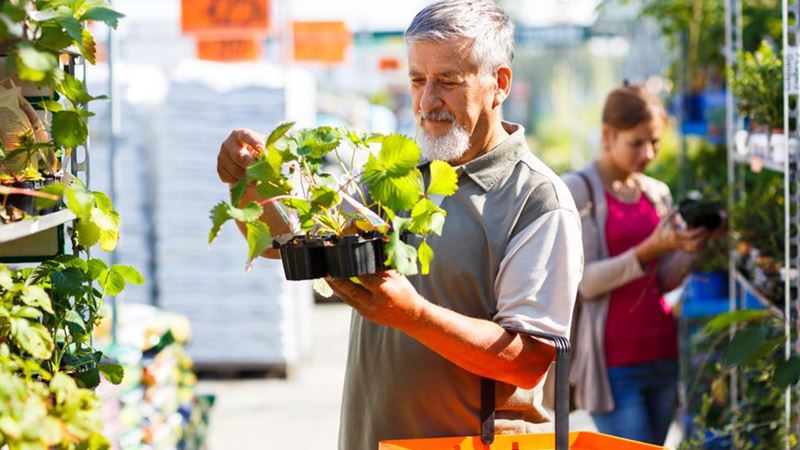
Dreaming of a lush, colorful, and peaceful outdoor space? Whether you're passionate about growing organic produce, love vibrant flowers, or want a cozy retreat right outside your door, creating a garden in your backyard is a rewarding project. A well-designed garden can serve multiple purposes—from growing your own vegetables and herbs to providing a scenic area for relaxation and entertainment. This comprehensive guide will walk you through the essential steps to turn your backyard into an thriving, beautiful garden that suits your lifestyle and preferences.
Establishing Your Gardening Vision and Planning the Layout
Before diving into planting, take time to envision what you want your garden to become. Do you want a vegetable patch, a flower garden, a space for outdoor gatherings, or perhaps a combination of all? Think about how you will use the space and what features would enhance its usability and beauty. Browsing gardening magazines, reputable websites, and consulting with local experts can help you gather ideas and inspiration.
Before diving into planting, take time to envision what you want your garden to become. Do you want a vegetable patch, a flower garden, a space for outdoor gatherings, or perhaps a combination of all? Think about how you will use the space and what features would enhance its usability and beauty. Browsing gardening magazines, reputable websites, and consulting with local experts can help you gather ideas and inspiration.
Once you have a clear idea of your dream garden, sketch a design layout. Decide on zones for vegetables, flowers, relaxation areas, pathways, and decorative elements. Incorporate features like stone pathways, pebble accents, a small pond, or a firepit to add visual interest. Consider creating a dedicated space for outdoor dining or small stages for music and entertainment. These features not only elevate the aesthetic appeal but also make your garden a versatile space for both leisure and socializing.
Choosing the Right Location and Preparing the Site
Location is crucial for a thriving garden. Select an area that receives ample sunlight—most plants require at least 6 hours of direct sunlight daily. Check for accessibility to water sources, which are essential for irrigation and maintaining healthy plants. Ensure that the site has well-draining soil to prevent waterlogging, which can cause root rot and other plant diseases. Conduct a soil test to determine its pH and nutrient levels. Amending the soil with organic compost or fertilizers can significantly improve its fertility and structure.
Location is crucial for a thriving garden. Select an area that receives ample sunlight—most plants require at least 6 hours of direct sunlight daily. Check for accessibility to water sources, which are essential for irrigation and maintaining healthy plants. Ensure that the site has well-draining soil to prevent waterlogging, which can cause root rot and other plant diseases. Conduct a soil test to determine its pH and nutrient levels. Amending the soil with organic compost or fertilizers can significantly improve its fertility and structure.
Creating a conducive environment involves preparing the ground properly. Clear the area of weeds, grass, and debris. If needed, till the soil to loosen it and incorporate organic matter to enhance aeration and fertility. Level the ground to prevent water accumulation in certain spots. Planning for proper drainage helps avoid waterlogging and ensures that your plants thrive year-round.
Gathering Tools, Materials, and Building Your Garden Infrastructure
Equipping yourself with the right gardening tools is fundamental. Essential tools include trowels, spades, cultivators, pruning shears, watering cans, and hoses. For larger projects, a wheelbarrow, garden fork, and garden rake are also beneficial. Investing in quality tools can make gardening more enjoyable and efficient.
Equipping yourself with the right gardening tools is fundamental. Essential tools include trowels, spades, cultivators, pruning shears, watering cans, and hoses. For larger projects, a wheelbarrow, garden fork, and garden rake are also beneficial. Investing in quality tools can make gardening more enjoyable and efficient.
For structural features, consider materials like bricks, stones, wood, or recycled materials. Building raised beds can improve soil drainage and make harvesting easier. Installing A irrigation system—such as drip irrigation or soaker hoses—can save time and ensure your plants receive consistent watering.
Plant Selection: Vegetables, Flowers, and More
Choose plants that suit your climate, soil type, and the amount of sunlight your garden receives. Varieties such as tomatoes, peppers, lettuce, carrots, and herbs are excellent for vegetable patches. For flowers, options like petunias, marigolds, roses, or daisies can provide vibrant colors and fragrances. Consider native plants—they are adapted to your local environment and usually require less maintenance.
Choose plants that suit your climate, soil type, and the amount of sunlight your garden receives. Varieties such as tomatoes, peppers, lettuce, carrots, and herbs are excellent for vegetable patches. For flowers, options like petunias, marigolds, roses, or daisies can provide vibrant colors and fragrances. Consider native plants—they are adapted to your local environment and usually require less maintenance.
Implement crop rotation and companion planting strategies to boost yield and deter pests naturally. Group similar plants together to facilitate watering and maintenance. Use labels or plant markers to organize your garden efficiently and keep track of growth stages.
Ongoing Maintenance and Care
Gardening requires regular attention to keep your space thriving. Water your plants consistently, especially during dry spells. Mulching helps retain soil moisture, suppress weeds, and regulate temperature. Prune and deadhead flowers to encourage new growth and maintain a tidy appearance.
Gardening requires regular attention to keep your space thriving. Water your plants consistently, especially during dry spells. Mulching helps retain soil moisture, suppress weeds, and regulate temperature. Prune and deadhead flowers to encourage new growth and maintain a tidy appearance.
Regularly check for pests and diseases. Early detection is key to managing issues before they spread. Use organic pest control methods—such as neem oil, insecticidal soap, or introducing beneficial insects like ladybugs—to protect your plants without harmful chemicals.
Creating a welcoming outdoor space goes beyond planting. Incorporate seating areas, lighting, and decorative elements to enhance ambiance. Consider installing bird feeders or a small pond to attract wildlife, further enriching your garden experience.
Adapting and Evolving Your Garden Over Time
Gardening is an ongoing journey. Observe how plants respond to your care routines and adjust watering, fertilizing, and pruning schedules accordingly. Experiment with new plants or design ideas to keep your garden fresh and exciting.
Gardening is an ongoing journey. Observe how plants respond to your care routines and adjust watering, fertilizing, and pruning schedules accordingly. Experiment with new plants or design ideas to keep your garden fresh and exciting.
Stay informed about organic gardening methods and pest management techniques. Use natural repellents and companion planting to minimize pest problems organically. Remember, patience and consistency are key to cultivating a beautiful, sustainable garden that you can be proud of.
In conclusion, transforming your backyard into a lush, functional garden involves thoughtful planning, diligent maintenance, and a passion for growth. Whether you aim for a vegetable garden, a fragrant flower retreat, or a mixed-use space, the steps outlined in this guide will help you create a personalized oasis. Enjoy nurturing your plants, relaxing in your peaceful outdoor environment, and reaping the numerous benefits of gardening—fresh produce, vibrant blooms, and a healthier lifestyle.