
Advantages and Disadvantages of Maritime Shipping in Global Trade
Maritime shipping is essential for global trade, offering cost-efficient and large-capacity transportation. While it provides reliability, safety, and environmental advantages, it also faces challenges like slow transit, delays, and environmental risks. Advances in safety, technology, and sustainability are vital to optimizing maritime logistics. This comprehensive overview explores the benefits, drawbacks, safety measures, environmental impacts, and future prospects of maritime trade, emphasizing its critical role in supporting the global economy and sustainable development.
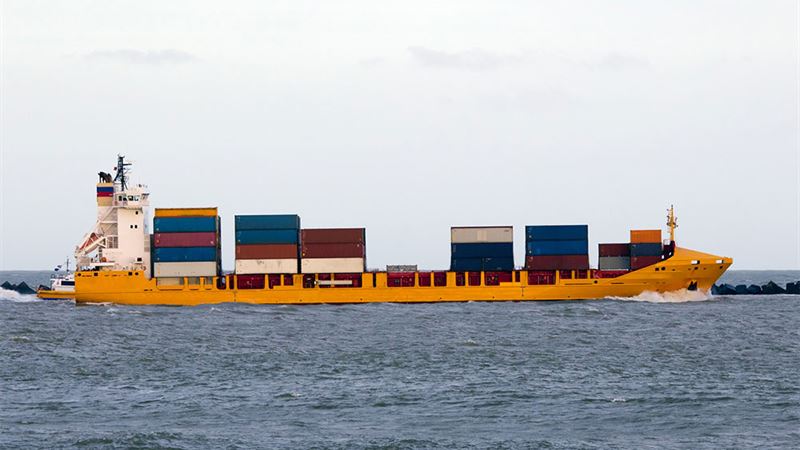
Water-based transportation plays a vital role in the modern economy due to its cost-effectiveness and capacity to move large quantities of goods. It is an essential component of international commerce, providing a reliable means to connect markets worldwide. Maritime shipping offers many benefits, such as lower operational costs and the ability to transport a broad range of cargo types and sizes. However, it also faces challenges like slower transit times and environmental concerns, which need to be carefully managed to sustain its utility and safety in global trade.
One of the key advantages of maritime transportation is its economic efficiency. Shipping companies benefit from significantly lower operating and maintenance costs compared to land-based logistics. The extensive size of cargo containers ensures there is ample space for storing goods during transit, making the process more flexible and accommodating large shipments. This feature is particularly useful for international traders who need to move sizable volumes of cargo, from small machinery parts to enormous industrial equipment, across continents at a manageable cost. The capacity of ships to carry vast quantities of goods also translates into economies of scale, reducing the per-unit cost of transportation, which ultimately benefits consumers and businesses alike.
Safety is another critical aspect of maritime transport. Modern ships are constructed with high safety standards, including robust sealing mechanisms for cargo containers to prevent theft, tampering, or accidental spillage. During transit, containers are secured with advanced locking systems that withstand adverse weather and rough seas, ensuring the cargo remains intact and secure. This high level of reliability is vital for transporting sensitive goods such as pharmaceuticals, perishable items, and valuable electronics, which require secure containment throughout their journey.
In terms of boosting global trade, maritime shipping acts as a powerful facilitator of international commerce. Ports situated at strategic locations connect producer and consumer markets, enabling countries to import raw materials and export finished products efficiently. Over 70% of global trade by volume relies on maritime routes, underscoring the sector’s importance in maintaining the flow of goods across borders. The extensive network of shipping routes also allows nations to access resources from distant regions, fostering economic development and diversification of supply chains.
Efficiency is another advantage of water transportation. Compared to rail, road, or air freight, shipping offers smoother and often more predictable movement of commodities, especially over long distances. Shipping containers can be consolidated and grouped into smaller shipments to optimize space and cost. Moreover, containers are designed to be transferable across different modes of transport—sea, rail, and road—simplifying the logistics process and reducing handling time and costs.
Despite its numerous benefits, maritime transport comes with a set of challenges. One significant drawback is its slower pace relative to air freight. Ships travel at a much lower speed and often follow fixed routes and schedules, which can extend transit times to several weeks, making maritime shipping unsuitable for urgent deliveries. This delay can impact supply chains, especially in industries requiring rapid replenishment or just-in-time inventory management.
Delays can also occur due to external factors such as adverse weather conditions, port congestion, or technical issues. Storms, hurricanes, and rough seas can significantly disrupt shipping schedules, resulting in late arrivals and increased costs. Furthermore, goods stored on ships are susceptible to damage from collisions, sinking, or overturning, especially in severe weather or during navigation through treacherous waters. These risks necessitate comprehensive insurance and safety protocols to mitigate potential losses.
Trackability of shipments can be complicated by the variability of shipping schedules. Unlike air freight, which often provides real-time tracking, maritime vessels tend to operate on weekly or bi-weekly schedules, and route changes can occur unexpectedly. This unpredictability may pose challenges for logistics planning and inventory management, requiring companies to adopt sophisticated tracking systems to monitor their cargo’s status accurately.
Safety hazards associated with maritime transport are notable. Accidents such as vessel collisions, sinkings, or fires can have devastating consequences for crews, cargo, and marine environments. The risk of piracy, particularly in certain high-risk areas, remains a concern, necessitating additional security measures. Although advances in navigation technology and safety standards have improved vessel safety, incidents still occur, emphasizing the importance of vigilant monitoring and risk management.
Transit times can be extended further when considering inland transportation. After reaching a seaport, cargo often needs to be transported via trucks or trains to reach final destinations within a country. This additional leg can introduce further delays, increase costs, and complicate logistics, especially for goods destined for remote regions.
Freight rates in maritime shipping are influenced by multiple factors, including fuel prices, seasonal demand, currency fluctuations, and container availability. These rates can fluctuate significantly, impacting overall transportation costs. Port duties, taxes, and customs fees also contribute to the final expense borne by the receiver, making budgeting and cost estimation critical for international traders.
Environmental considerations are increasingly vital when assessing maritime transport. Compared to air and road transportation, ships are more environmentally friendly in terms of fuel consumption and carbon emissions. Using less fuel for moving large quantities of goods helps reduce the carbon footprint of global trade. However, maritime shipping is not entirely environmentally benign. Large vessels contribute to pollution through exhaust gases, ballast water discharge, noise pollution, and oil spills, all of which pose threats to marine ecosystems.
Air pollution from ships includes the release of greenhouse gases such as carbon dioxide and other conventional pollutants, which can deteriorate air quality and contribute to climate change. Discharging ballast water, used to stabilize ships, can introduce invasive marine species when released into new environments, disrupting local ecosystems. Noise pollution from ships' engines and propellers affects marine animals that communicate through sound, interfering with their navigation and mating rituals. Oil spills, often caused by accidents or operational discharges, result in devastating impacts on aquatic life, leading to long-term ecological damage.
In summary, maritime transport remains a cornerstone of international trade, enabling the movement of vast volumes of goods economy-wide. It offers cost-efficient, safe, and flexible logistics options, vital for global supply chains. However, it faces challenges like slow transit, environmental concerns, and security risks. Progress in safety protocols, technological innovations, and sustainable practices can help address these issues, ensuring maritime shipping continues to support global economic growth while minimizing its ecological impact. Sustainable development in maritime logistics is crucial for maintaining its vital role in international trade and securing a resilient future for global commerce.