
Ultimate Guide to Portable Solar Power Devices for Off-Grid Living and Outdoor Adventures
Explore a comprehensive guide to portable solar generators, detailing their components, operation, key features, applications, and top models. Learn how these eco-friendly devices provide reliable off-grid power for outdoor activities, emergencies, and remote living. Discover tips for choosing the right system based on capacity, portability, and versatility, and understand why solar power is essential for a sustainable future. Perfect for adventurers, homeowners, and anyone seeking quiet, renewable energy solutions for various needs.
Understanding Portable Solar Power Systems
Portable solar power systems are innovative devices designed to harness sunlight and convert it into usable electrical energy. These systems have revolutionized the way outdoor enthusiasts, adventurers, and remote dwellers access electricity without relying on traditional power grids. By integrating solar panels, batteries, and inverters, these portable units provide a clean, renewable, and versatile energy source suitable for various applications, from camping trips to emergency backup situations.
At their core, portable solar power units comprise three fundamental components:
- Solar Panels: Devices that capture sunlight and transform it into direct current (DC) electricity maximizing sunlight absorption to generate power efficiently.
- Rechargeable Battery: Storage units that hold the harvested energy, allowing users to access power anytime regardless of sunlight conditions.
- Power Inverter: Converts stored DC electricity into alternating current (AC), compatible with most household appliances and electronic devices.
Designed with portability in mind, these systems are lightweight and compact, ensuring ease of transport for outdoor activities and remote living. Their modular design allows for easy setup and customization based on personal power needs.
Operational Mechanics of Portable Solar Power Devices
Understanding how these systems operate is crucial for maximizing their benefits:
- Solar Energy Capture: When sunlight hits the solar panels, photons excite electrons in the solar cells, producing DC electricity.
- Energy Storage: The generated power flows into the battery system, which stores it for later use—especially useful during nighttime or cloudy days.
- Power Distribution: The inverter converts the stored DC into AC, making it suitable for powering electronics, lights, and small appliances.
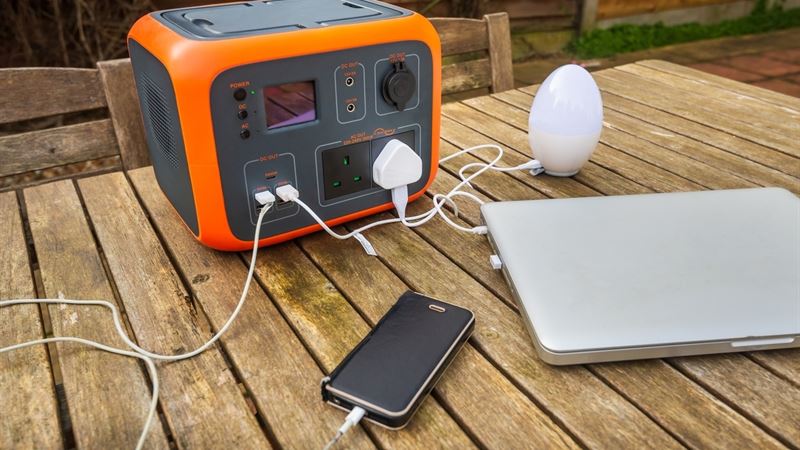
Most units feature multiple output options like USB ports, DC ports, and AC outlets, enabling simultaneous charging of multiple devices and increasing versatility for diverse power requirements.
Essential Features to Look for in Portable Solar Generators
When selecting a portable solar generator, consider several critical features to ensure you get a device that suits your needs:
- Battery Capacity: Usually measured in watt-hours (Wh), higher capacity indicates longer-lasting power. For extended adventures or emergency use, models with 500Wh to 2000Wh are recommended.
- Solar Panel Efficiency: Reflects how well the panels convert sunlight into electricity. Higher efficiency panels reduce recharge times and improve performance in less-than-ideal sunlight conditions.
- Portability and Design: Lightweight build with ergonomic handles, wheels, and compact dimensions facilitate easy transportation, especially important for outdoor or remote use.
- Output Connectivity: Multiple outlets, including AC, USB, USB-C, and DC ports, allow simultaneous charging of various devices such as smartphones, laptops, small appliances, and more.
- Charging Speed: Transfer rates depend on solar panel wattage and sunlight intensity. Some models support dual charging methods (solar and AC) to significantly reduce recharge times.
- Weather Resistance: Durability features like water resistance, dustproofing, and rugged casing ensure the device withstands outdoor conditions.
- Noise Levels: Solar generators operate quietly, making them ideal for environments where noise could be disruptive, such as campsites or residential areas.
Common Applications of Portable Solar Power Units
These versatile devices serve numerous practical applications:
- Outdoor Recreational Activities: Perfect for camping, hiking, fishing, boating, and tailgating, providing power for lights, GPS, communication devices, and small appliances without relying on fossil fuels.
- Emergency and Backup Power: Essential during power outages, enabling you to run medical devices, chargers, and emergency lighting safely and reliably.
- Mobile and Van Life: Ideal for RVs, camper vans, and tiny homes, offering off-grid power without noisy generators and dependency on campground hookups.
- Off-Grid Living: For remote homeowners, these systems can support vital household appliances, ensuring a sustainable energy source independent of the grid.
To assist in choosing the right model, here’s a detailed comparison of some top-rated portable solar generators currently available:
| Model | Battery Capacity (Wh) | Solar Panel Efficiency | Output Ports | Recharging Duration | Weight |
|---|---|---|---|---|---|
| Model Alpha | 500 Wh | 20% | 2 AC, 2 USB, 1 DC | 6-8 hours (solar), 2 hours (AC) | 12 lbs |
| Model Beta | 1000 Wh | 22% | 3 AC, 3 USB, 1 vehicle port | 10 hours (solar), 3 hours (AC) | 20 lbs |
| Model Gamma | 300 Wh | 18% | 1 AC, 2 USB | 4-6 hours (solar), 1.5 hours (AC) | 7 lbs |
| Model Delta | 2000 Wh | 25% | 4 AC, 4 USB, 1 DC | 8 hours (solar), 4 hours (AC) | 40 lbs |
Note: Actual charging times are influenced by sunlight intensity and panel positioning.
Advantages of Portable Solar Power Devices
- Environmentally Friendly: They harness renewable solar energy, helping reduce dependence on fossil fuels and lowering carbon emissions.
- Minimal Maintenance: Solar units have no moving components, require no oil or fuel, and demand little upkeep over their lifespan.
- Cost Efficiency: Once purchased, operational costs are minimal; you avoid ongoing expenses for fuel or electricity. Many models have a long service life, providing lasting value.
- Silent and Clean Operation: They operate quietly and produce no emissions, creating a peaceful environment and reducing environmental impact.
In conclusion, portable solar generators present a sustainable, reliable, and eco-conscious alternative to traditional power sources. As solar technology advances, these devices are becoming more efficient, lightweight, and affordable. Whether you're seeking power for outdoor adventures, emergency preparedness, or off-grid living, a portable solar generator can meet your energy needs seamlessly and sustainably. When selecting a model, evaluate factors like capacity, efficiency, and portability to find the best fit for your specific application. The growing adoption of renewable energy solutions suggests that portable solar power systems will become increasingly vital for a sustainable future, empowering individuals and communities to operate independently from conventional grids while protecting the environment.