
Flexible Cooling Solutions: Portable Air Conditioners That Require Minimal or No Installation
Discover the convenience of portable air conditioners that require little to no installation. These versatile units offer easy setup, mobility, and energy-efficient cooling for small to medium-sized spaces, making them ideal for renters and those seeking flexible climate solutions. Learn about key features to consider, top models, maintenance tips, and how to maximize their performance for a comfortable indoor environment during hot seasons.
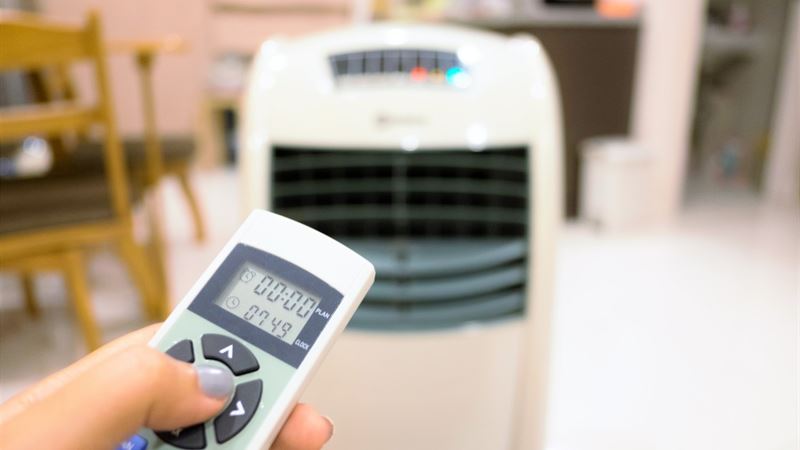
Portable air conditioners are designed with simplicity in mind. They eliminate the need for complex installation procedures, such as drilling holes or installing permanent ductwork. Instead, they utilize an exhaust hose that vents hot air outside through a window or designated opening, making them suitable for various types of living environments, including apartments, dorms, and small commercial spaces.
Key Advantages of Portable Air Conditioners Requiring Little or No Installation
The benefits of portable units extend beyond ease of setup. They encompass cost savings, flexibility, and multi-functionality. Here are some essential advantages:
- Simple Setup and Use
- Ultimate Mobility
- No Need for Permanent Modifications
- Cost-Effective Cooling
- Multi-Functional Capabilities
One of the primary advantages of portable air conditioners is their straightforward installation process. Most models come with an adjustable exhaust hose, a window venting kit, and minimal assembly steps. No professional assistance or modifications to your residence are necessary. Users typically need only to attach the exhaust hose to the unit, secure it to a window or vent opening, and plug the unit into a power source. This ease of setup enables quick deployment, especially during hot summer days when immediate cooling is desired.
Designed with portability in mind, these units feature caster wheels and ergonomic handles, allowing you to relocate them with minimal effort. Whether you wish to cool a living room during the day and move it to a bedroom at night, or need to shift the unit between different offices or rental spaces, portability makes these devices highly adaptable. Their lightweight design ensures that users can reposition them as often as needed, offering a flexible cooling experience tailored to changing needs.
For tenants or homeowners wary of making irreversible changes, portable air conditioners are an ideal solution. They do not require drilling, electrical rewiring, or installation of fixed duct systems. This non-invasive feature not only preserves the integrity of your living space but also permits easy removal and storage when not in use or when moving to a new location.
Compared to traditional air conditioning systems, portable units are generally more affordable upfront. They eliminate installation fees and maintain lower operational costs because they cool specific areas without the need to run a central unit throughout an entire building. Additionally, their energy-efficient design means they consume less electricity, especially when cooling smaller spaces, resulting in lower utility bills.
Many portable AC units come equipped with supplementary features such as dehumidifiers, oscillating fans, and even heating modules. This multi-functionality allows users to enjoy year-round comfort, whether cooling during summer or warming in winter. Consequently, a single device can replace multiple appliances, saving space and money.
Important Factors to Consider When Selecting a Portable Air Conditioner
Choosing the right portable air conditioning unit depends on various factors that influence its performance and efficiency. Below is an in-depth overview of key features to evaluate before making a purchase:
| Feature | Description |
| Cooling Power (BTUs) | The cooling capacity of a portable AC is expressed in BTUs (British Thermal Units). The higher the BTU rating, the more area the unit can effectively cool. For small rooms, units with 8,000–10,000 BTUs are sufficient, whereas larger spaces may require 12,000 BTUs or more for optimal cooling. |
| Energy Efficiency | Select models that are Energy Star-rated to ensure they operate efficiently, reducing electricity consumption and lowering your utility expenses. Energy-efficient units also contribute to environmental sustainability by consuming less power. |
| Noise Levels | Operating noise can impact comfort, especially in bedrooms or quiet workspaces. Units emitting less than 60 decibels are considered quiet, allowing for peaceful sleep or concentration. |
| Mobility Features | Ensure the unit has durable wheels and easy-to-grip handles that facilitate seamless movement between rooms or spaces. |
| Water Management System | Some portable ACs have manual drainage requirements, necessitating periodic emptying of condensate buckets. Others feature self-evaporating systems that automatically manage moisture, reducing maintenance efforts. |
| Venting Range | The length of the exhaust hose determines the flexibility of venting. Verify the hose length and check if extensions are needed for your setup. |
| Dehumidification Functionality | Many portable units combine cooling and dehumidifying features, which help improve indoor air quality and comfort by reducing excess moisture. |
| Room Suitability | Assess whether the BTU capacity matches your room’s size. Smaller units are efficient for bedrooms or offices, while larger units are suited for living rooms or open-plan areas. |
Leading Portable Air Conditioners with Minimal Installation Requirements
The market offers a variety of models that emphasize easy setup and effective cooling. Below is a curated list of popular portable air conditioners known for their minimal or no installation needs:
| Model Name | Cooling Capacity (BTUs) | Suitable Room Size | Noise Level (dB) | Energy Star Certified |
| Whynter ARC-122DS | 12,000 BTUs | 400 sq. ft. | 52 dB | Yes |
| BLACK+DECKER BPACT10WT | 10,000 BTUs | 300 sq. ft. | 55 dB | Yes |
| DeLonghi Pinguino PACAN120EW | 12,000 BTUs | 500 sq. ft. | 53 dB | Yes |
| Honeywell MN10CES | 10,000 BTUs | 350 sq. ft. | 52 dB | Yes |
| LG LP1419IVSM | 14,000 BTUs | 700 sq. ft. | 52 dB | Yes |
Tips to Maximize Effectiveness and Maintain Your Portable AC
Using a portable air conditioner efficiently involves some best practices:
- Effective Ventilation
- Regular Maintenance
- Proper Room Sizing
Ensure the exhaust hose is securely attached, with no air leaks or obstructions that could hinder hot air expulsion. Proper ventilation is critical to optimal cooling performance.
Keep filters clean or replace them as recommended by the manufacturer. Check the drainage system periodically, especially for units without auto-evaporating features. Dust and debris accumulation can reduce efficiency and lifespan.
Select a unit with appropriate BTU ratings for your space size. An underpowered unit will struggle to cool effectively, while an oversized unit may cycle on and off frequently, wasting energy and reducing lifespan.
In summary, portable air conditioners that require minimal or no installation are excellent solutions for those seeking quick, flexible, and cost-effective cooling options. They are suitable for renters, frequent movers, or individuals who prefer to avoid the permanent modifications associated with traditional cooling systems. By paying attention to key features such as cooling capacity, energy efficiency, noise levels, and room size compatibility, you can find the perfect model to meet your needs and enjoy a cool, comfortable indoor environment all summer long.
For further information and to explore top-ranking portable AC units, visit:
- Whynter Portable Air Conditioners
- BLACK+DECKER Portable Units
- DeLonghi Portable ACs
- LG Portable Air Conditioners