
Comprehensive Guide to Important Factors Before Installing an Air Conditioning System
This comprehensive guide covers essential factors to consider before installing an air conditioning system, including types of AC units, ductwork needs, indoor air quality, and maintenance. It helps homeowners and business owners make informed decisions for efficient cooling solutions tailored to their space and environment.
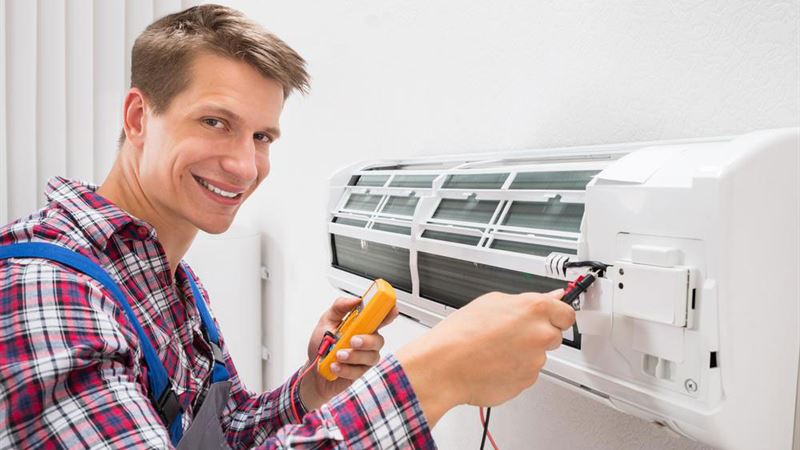
Understanding the various types of cooling systems is essential when considering air conditioner installation. Among the most prevalent options is the split air conditioner, renowned for its efficiency and versatility. This system divides the cooling unit into two parts: an indoor unit called the handler and an outdoor component housing the condenser and compressor. Perfect for homes and smaller spaces, split systems allow for flexible installation and quiet operation.
Another popular choice is the packaged air conditioner. Unlike split systems, packaged units combine all the essential components into a single outdoor unit, suitable for spaces with limited indoor room. Many of these models also include heat pump features, offering both heating and cooling capabilities. Their compact design makes them suitable for commercial buildings, where space optimization is crucial.
- What are the costs and logistics associated with installing new duct systems? If your building lacks existing ducts, opting for ductless units, such as split ACs, might be more practical and cost-effective.
- If you already have ducts, you will need to assess their condition. Damaged or improperly sealed ducts can significantly reduce system efficiency and increase energy bills. Repairing or sealing duct leaks is essential for optimal performance.
Another crucial aspect is ensuring the indoor air quality (IAQ). An air conditioner not only cools the space but also impacts humidity levels and overall air health. In regions with high humidity, integrating dehumidifiers with your cooling system can greatly improve comfort. Additionally, if your area has poor outdoor air quality, adding an air purifier can help remove pollutants, allergens, and airborne irritants.
Before installation, consider the specific environmental and geographic factors that influence indoor air conditions. This ensures you choose the most suitable system to maintain a comfortable, healthy living or working environment.