
Effective Strategies and Products for Dog Flea Control and Prevention
Discover the most effective and safest flea control methods for your dog, including flea collars, oral medications, grooming tools, specialized shampoos, and environmental solutions like boric powder. Learn how to implement these strategies comprehensively to prevent and eliminate flea infestations, ensuring your dog’s health and comfort while maintaining a clean home environment.
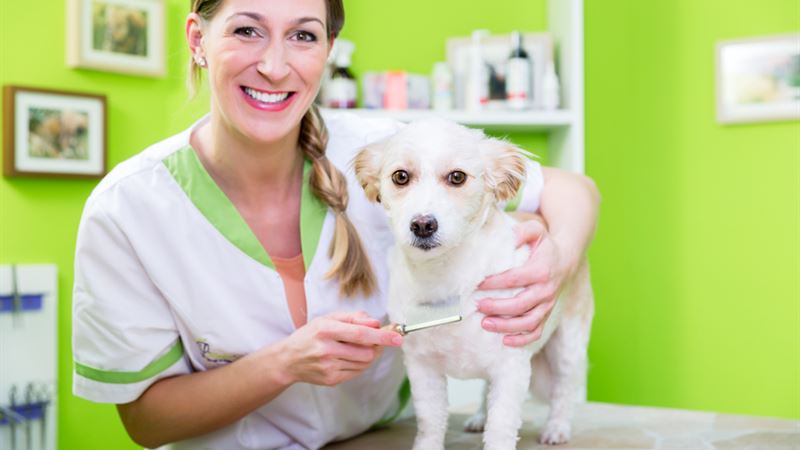
How does a flea comb assist in eliminating fleas from your dog?
- Utilizing a flea comb is a highly effective, low-cost method to remove fleas, eggs, and larvae from your dog’s coat. These fine-toothed combs are specifically designed to trap fleas and debris as you groom your dog, making it easier to identify and remove pests. Regular combing can significantly reduce the number of fleas on your dog and provide immediate relief from itching and discomfort. Furthermore, inspecting your dog with a flea comb allows you to monitor the health of your pet and detect early signs of infestation.
- When selecting a flea comb, look for one with narrow, closely spaced teeth. This design ensures that fleas and eggs are effectively captured and prevent tangling in your dog’s fur. A quality flea comb should be durable and easy to clean after use. Using the comb on damp fur can improve effectiveness, and a gentle yet thorough approach ensures no fleas escape. Remember, regular grooming with a flea comb is essential in managing infestations, especially in the early stages.
- For dog owners hesitant to use chemical treatments, particularly for puppies younger than four weeks old, a flea comb offers a safe alternative. It allows you to manually remove fleas and inspect your pet’s skin and coat. While combing alone may not eliminate a severe infestation, it complements other preventive measures and contributes to overall flea management. Consistent use combined with environmental controls can keep fleas under control without exposing your pet to unnecessary chemicals.
Can dog shampoos help eliminate fleas?
- Indeed, there are specially formulated flea and tick shampoos designed to kill parasites on contact. Popular options like Sentry Flea & Tick Shampoo with Oatmeal or Bio Spot Active Care provide additional relief by soothing irritated skin while removing pests. These shampoos often contain ingredients that kill fleas and; provide long-lasting protection. Regular bathing with these shampoos can be part of your comprehensive flea management plan, especially during active infestation periods.
- For pet owners wary of chemical treatments, natural homemade flea shampoos are an alternative. Combining ingredients like lemon juice, apple cider vinegar, or herbal extracts with gentle dog shampoo can create an effective solution against fleas. These natural remedies are safe when used correctly and can be especially suitable for sensitive skin or young puppies. However, consistency and proper application are key to achieve the desired results.
Using Boric Powder as an Environmental Flea Control
- Boric powder cannot be directly applied to your dog for flea control, but it is effective as an environmental pesticide around your home. Dusting boric powder in areas where fleas are suspected to hide—such as carpets, under furniture, and in dark corners—can significantly reduce flea populations. It works by dehydrating fleas, eggs, and larvae, interrupting their life cycle. It’s important to focus on humid, shaded areas that foster flea development for better results.
- After applying boric powder, allow it to sit for several days to maximize its effectiveness. Subsequently, thoroughly vacuum the treated areas to remove dead fleas, eggs, and residual powder. Regular cleaning and maintenance are essential to prevent a resurgence of fleas. Remember to keep boric powder away from pets with sensitivities, and avoid direct application on your dog to prevent adverse health effects.
- For long-term flea prevention, combine environmental sanitation with regular use of vet-approved flea preventives on your dog. This integrated approach helps ensure your pet stays flea-free and reduces the risk of infestations in your home environment. Always consult your veterinarian before using chemical or natural agents for pest control to ensure safety and compatibility with your pet’s health.
In conclusion, controlling fleas on dogs involves a multi-layered approach. Using a combination of flea collars, topical treatments, oral medications, grooming tools like flea combs, specialized shampoos, and environmental control methods like boric powder dusting can provide effective and comprehensive flea management. Regular veterinary consultation is vital for selecting the best products and strategies tailored to your pet’s specific needs. Consistency and vigilance are the keys to keeping your furry friend healthy, comfortable, and free of fleas.