
Comprehensive Guide to Purchasing a Used Electric Vehicle: Essential Factors and Tips
This comprehensive guide covers key considerations for buying a used electric vehicle, including battery health, depreciation, charging infrastructure, and weather impacts. It emphasizes the environmental benefits and long-term savings of EVs while providing practical tips to assess vehicle condition and suitability. Ideal for prospective buyers seeking eco-friendly transportation options, the article highlights how to make informed decisions and select the right used EV for your needs, ensuring a satisfying and sustainable driving experience.
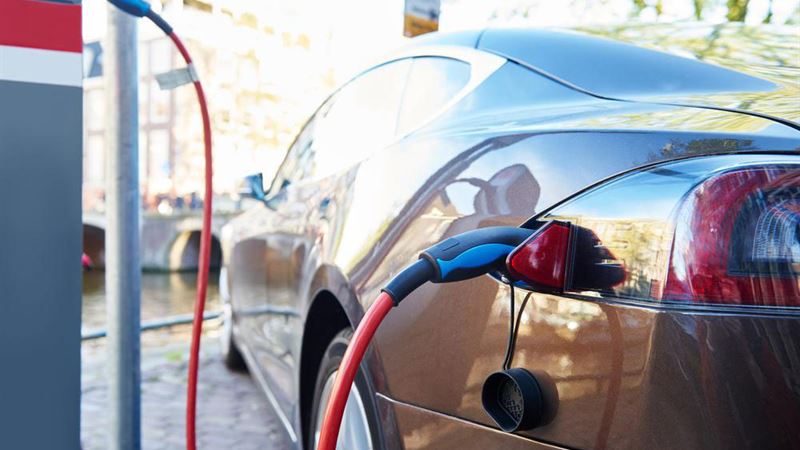
Electric vehicles (EVs) have become increasingly popular in recent years due to their environmental benefits and advancements in technology. They offer a cleaner alternative to traditional gas-powered cars, contributing significantly to reducing carbon emissions and promoting sustainable transportation. When considering buying a pre-owned electric car, there are numerous factors to weigh carefully to ensure you make a smart investment that aligns with your driving needs and budget.
Electric vehicles are celebrated for their eco-friendliness as they produce no tailpipe emissions, making them an environmentally responsible choice. Unlike traditional internal combustion engines, EVs operate using electric motors powered by rechargeable batteries, offering a quieter, smoother, and generally more comfortable driving experience. The absence of exhaust noise and vibrations enhances the overall ride quality, giving drivers a more serene commute. Despite being smaller in size compared to similar combustion-engine vehicles, electric cars often feature substantial batteries that add weight and ensure stability and grounded handling on the road.
When browsing the used car market, potential buyers often seek vehicles that are both affordable to acquire and maintain in the long run. For those with access to a suitable charging station at home or nearby, purchasing a used electric vehicle can be an excellent choice. One of the key advantages is that electric cars typically have fewer mechanical parts than traditional gasoline-powered vehicles. This reduction in complexity translates into fewer components prone to wear and tear, which significantly lowers the likelihood of breakdowns, reducing maintenance costs and providing greater peace of mind for owners.
Moreover, vital components such as tires, suspension systems, and brakes generally experience less rapid deterioration in electric cars. This durability means that used EVs often stay in good condition for many years, requiring only basic maintenance routines. It's worth noting, however, that electric vehicles tend to depreciate faster than their gas-powered counterparts. For example, a brand-new Fiat 500e is priced around $32,392 on average, but after just three years, its resale value drops to approximately $8,669. Similarly, used gasoline vehicles priced under $10,000 tend to be older models with higher mileage.
This accelerated depreciation rate stems from various factors. First, government incentives at both the federal and state levels—such as tax credits, rebates, or reduced registration fees—initially boost EV sales but can also influence resale values. Additionally, the rapid pace of technological advancement means newer EV models often feature improved batteries and features, making older models less desirable. Furthermore, any repairs or upgrades performed on the vehicle can affect its resale value, typically decreasing it further. On average, the resale value of a used electric vehicle can decline by approximately 43% to 72% compared to its original price.
For prospective buyers, understanding the factors influencing EV depreciation and value is crucial. While buyers benefit from lower purchase prices and potential incentives, sellers might find that their vehicles’ worth diminishes quickly. When evaluating a used EV, it's essential to consider its history of repairs, battery health, and remaining range—the distance the vehicle can travel on a full charge. Battery health is particularly critical since batteries tend to lose capacity over time, affecting the vehicle’s performance and resale value.
Charging infrastructure and time also play significant roles in EV ownership. Electric vehicles generally require longer recharging times compared to refueling traditional cars. While fast DC chargers can significantly cut charging times, frequent use can impact battery longevity. Therefore, when considering a used electric car, inquire about the vehicle’s charging capabilities—specifically, whether it supports fast charging and how long it takes to replenish the battery fully. This information helps determine if the vehicle aligns with your daily driving patterns and lifestyle.
Limitations related to charging convenience and range are additional considerations. Although many EVs now offer extended ranges suitable for daily commutes and short trips, they may not be ideal for long-distance travel. High energy consumption during extreme weather conditions, such as very cold or hot days, can deplete the battery more quickly, reducing driving range. Many electric vehicles incorporate liquid cooling systems to maintain optimal battery temperatures and extend battery life; however, not all models have this feature. Conversely, vehicles without effective thermal management may experience faster battery degradation in harsh climates.
Another factor to evaluate is the availability of charging infrastructure in your region. Access to fast chargers and reliable power sources can significantly influence your ownership experience. Before purchasing a used EV, assess your local charging options, the charging speed supported by the vehicle, and the compatibility with existing charging stations. This due diligence ensures you are prepared for daily requirements and any longer trips you may undertake.
In summary, buying a used electric vehicle can be a smart and environmentally conscious decision, provided you thoroughly research the vehicle’s condition, battery health, charging capabilities, and depreciation factors. By considering these aspects, you can select an EV that offers reliable performance, aligns with your budget, and contributes to a greener future. Remember that meticulous examination and honest assessment of used EVs will help you avoid future disappointments and maximize your investment in clean, efficient transportation.