
Common Challenges Faced by Electric Vehicle Owners and Future Outlook
This comprehensive article explores the common problems faced by electric vehicle owners, including battery life, reliability, range limitations, and the purchasing process. It highlights ongoing technological advancements and infrastructure developments that aim to address these issues, paving the way for greater EV adoption as a key sustainable transportation solution.
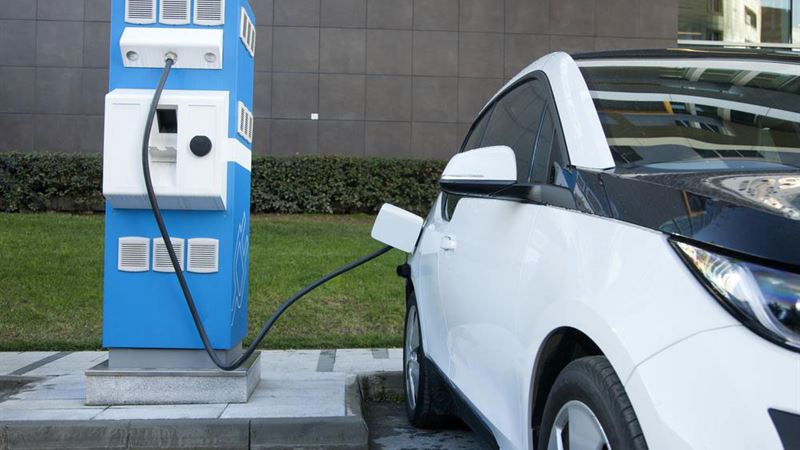
One of the most frequently discussed issues with electric vehicles revolves around battery performance. Many consumers are concerned about how long EV batteries will last before their performance declines. Unlike traditional engines, EVs rely heavily on battery health, which can deteriorate over time due to factors such as usage patterns and environmental conditions. Manufacturers are continuously working on improving battery lifespan, with innovations like solid-state batteries promising longer durability and faster charging times.
Reliability is another critical factor influencing consumer confidence. Early models of EVs faced issues like software glitches, charging incompatibilities, and component failures. Modern electric cars have seen significant improvements, but some skepticism remains due to past experiences or lack of familiarity. Ensuring consistent quality control and providing extensive post-sales support are essential for building trust in EVs.
Range anxiety, or the fear of running out of charge before reaching a charging station, remains a primary concern for many potential buyers. Although current EVs can offer ranges of over 200 miles on a single charge, this is still below the convenience level provided by traditional cars, especially for long-distance travel. Rapid advancements in battery technology are gradually increasing range capabilities, and the expansion of charging networks worldwide is easing these worries.
The process of purchasing and owning an electric vehicle can sometimes be daunting due to complex paperwork, high upfront costs, and the need for specialized maintenance. Vehicle registration, insurance, and compliance with local regulations require careful planning and understanding. Additionally, EVs tend to be more expensive initially compared to traditional vehicles, though lower operating costs can offset this over time. Consumers are encouraged to research thoroughly, consider lease options, and test drive multiple models to find the best fit for their needs.
Some skeptics attribute delays in EV adoption to industry hype and unfulfilled promises. For example, Tesla initially promised widespread availability of affordable, fully autonomous vehicles, but several delays and technical hurdles have tempered these expectations. Nonetheless, Tesla and other manufacturers continue to push forward, investing heavily in research and development to bring innovative solutions to market.
As the EV industry matures, technological improvements are making electric cars more user-friendly, cost-effective, and reliable. The introduction of faster-charging stations, longer-lasting batteries, and smarter software systems will play a pivotal role in overcoming current challenges. Governments worldwide are also implementing incentives, subsidies, and infrastructure investments to accelerate EV adoption.