
Comprehensive Guide to Presbyopia: Effective Home Remedies and Nutritional Strategies
Presbyopia, an age-related vision condition, can cause difficulty in focusing on close objects. This comprehensive guide explores natural home remedies, dietary strategies, and lifestyle tips to help manage symptoms effectively. From eye exercises and warm compresses to nutritious foods rich in essential vitamins and minerals, discover practical ways to support your eye health. Consulting an eye specialist is recommended for personalized care and advanced treatment options. Maintain your vision and enhance quality of life with these holistic approaches crafted for overall eye wellness.
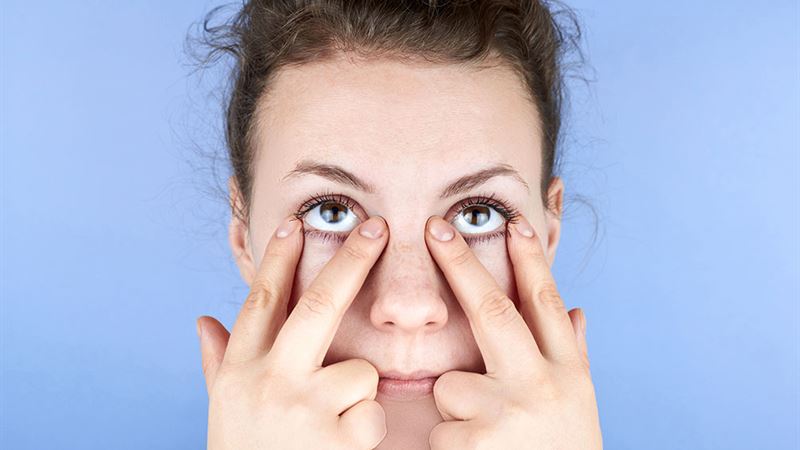
- Blurry vision when reading or doing close-up work
- Need to hold reading materials farther away than usual
- Eyestrain, soreness, or tiredness after close tasks
- Headaches originating from eye strain
- Difficulty adjusting to darkness or low-light environments
1. Eye Exercises to Enhance Focusing Ability
Regular eye exercises can help strengthen the eye muscles and improve focusing capacity. Some effective techniques include:
- Focus-shifting exercises: Pick an object at arm's length and focus on it, then switch focus to a distant object, repeating several times.
- Near-to-far focal exercises: Hold a finger close to the nose, focus, then shift focus to an object at a far distance.
- Zooming: Hold your thumb or a small object at arm's length and slowly bring it closer, then farther away, maintaining focus throughout.
Consult an eye specialist to determine personalized routines and ensure exercises are performed correctly.
2. Warm Compress for Eye Relaxation
Applying warmth to the eyes can reduce strain, soothe tired eye muscles, and improve blood circulation. To do this, dip a soft cloth in warm water, wring out excess moisture, and gently place it over closed eyelids for 10-15 minutes. Regular use can alleviate discomfort caused by prolonged near work and help maintain eye flexibility.
3. Incorporating Nutrient-Rich Foods
Nutrition plays a critical role in preserving vision and preventing or delaying presbyopia's progression. Focus on including foods rich in vitamins A, C, E, zinc, and omega-3 fatty acids. Top choices include:
- Carrots and sweet potatoes (high in vitamin A)
- Leafy greens like spinach and kale (rich in antioxidants and lutein)
- Avocados and pumpkin seeds (source of healthy fats and zinc)
- Chickpeas and flax seeds (omega-3 fatty acids)
- Bell peppers and citrus fruits (vitamins C and E)
Consuming a balanced diet with these foods supports the health of the eye tissues, helps maintain clarity, and slows age-related decline.
4. Proper Eye Hygiene and Rest
Adopting good eye habits is vital. This includes taking frequent breaks during near work (the 20-20-20 rule: every 20 minutes, look at something 20 feet away for at least 20 seconds), avoiding glare, and ensuring adequate sleep. These practices reduce strain and promote overall eye health.
5. Use of Presbyopia Eye Drops
Specialized eye drops designed to lubricate dry eyes or improve near vision can be helpful. Always consult with an ophthalmologist before using these medications, and adhere to prescribed dosages for safety and effectiveness.
- Wear proper lighting when reading or working close-up tasks to reduce strain
- Limit screen time and take regular breaks to prevent fatigue
- Maintain overall health with regular exercise and glucose control (if diabetic)
- Protect eyes from UV rays by wearing sunglasses outdoors
- Schedule regular eye checkups for early detection and assessment