
Uncovering Lesser-Known Facts About Presbyopia and Vision Correction Options
Discover comprehensive insights into presbyopia, from early signs to innovative correction options. Learn about traditional and modern solutions like contact lenses, surgery, and corneal inlays. Understand how to choose suitable methods based on lifestyle and eye health. Stay informed with the latest advancements in vision correction technology for a clearer, more comfortable future. Embrace proactive eye care and enjoy life with optimal vision at every age.
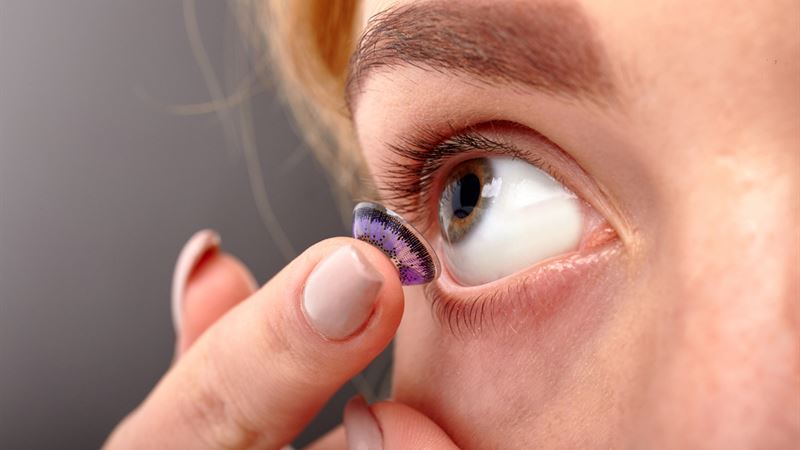
Presbyopia is a common age-related condition that affects many adults worldwide. While most people are familiar with reading glasses as a primary solution, there are numerous lesser-known aspects of presbyopia and innovative correction methods that can significantly improve quality of life. This comprehensive overview aims to shed light on the nuances of presbyopia, explore various corrective options, and provide insights into selecting the most suitable vision correction method for different lifestyle needs.
Unlike myopia or hyperopia, which are often corrected with glasses or contact lenses from an early age, presbyopia is a universal phenomenon affecting nearly everyone over 40, regardless of their previous vision health. Despite its inevitability, many individuals are unaware of the full scope of correction options available beyond traditional reading glasses.
Understanding Presbyopia: What It Is and Why It Happens
Presbyopia is an eye condition that occurs naturally as part of the aging process. Typically starting around the age of 40, it involves a gradual decline in the eye’s ability to focus on close objects. The primary cause is the hardening of the eye’s crystalline lens and the weakening of the ciliary muscles responsible for adjusting the lens shape.Unlike myopia or hyperopia, which are often corrected with glasses or contact lenses from an early age, presbyopia is a universal phenomenon affecting nearly everyone over 40, regardless of their previous vision health. Despite its inevitability, many individuals are unaware of the full scope of correction options available beyond traditional reading glasses.
Early Signs and Symptoms of Presbyopia
Recognizing the early signs of presbyopia is essential for timely intervention. Common symptoms include:- Difficulty focusing on small print or fine details up close
- Needing to hold reading material further away to see clearly
- Eye strain and fatigue after reading or working on close tasks
- Headaches originating from near work
- Blurred vision at normal reading distance
Conventional Correction Strategies
Traditionally, presbyopia has been managed with corrective lenses, primarily:- Reading glasses: Over-the-counter or prescription glasses designed for near vision tasks.
- Bifocal lenses: Glasses with two distinct zones for near and distance vision.
- Progressive lenses: Multifocal lenses providing a smooth transition between distances without visible lines.
- Contact lenses: Specially designed multifocal or monovision contacts that correct near vision.
Emerging and Lesser-Known Solutions for Presbyopia
Recent advancements have introduced innovative alternatives that cater to diverse lifestyles and preferences. Some noteworthy options include:- Refractive surgery: Procedures such as monovision LASIK or conductive keratoplasty can reduce dependence on glasses.
- Corneal inlays: Tiny implants inserted into the cornea to improve near vision while maintaining natural sight.
- Implantable lenses: Lenses surgically implanted inside the eye, similar to intraocular lenses used in cataract surgery.
- Multifocal contact lenses: Specialized lenses that offer multiple focal zones, providing clear vision at various distances.
- Orthokeratology (Ortho-K): Rigid gas-permeable contact lenses worn overnight to reshape the cornea temporarily for near tasks during the day.
Choosing the Right Correction Method: Factors to Consider
When deciding on the best presbyopia correction, consider:- Lifestyle: Active individuals might prefer contact lenses or surgical options to avoid glasses.
- Age and eye health: Surgical procedures are suitable for healthy eyes and specific age ranges.
- Cost and accessibility: Non-surgical options are generally more affordable and readily available.
- Comfort and convenience: Some prefer the ease of glasses, while others favor surgical or contact solutions.
- Aesthetic preferences: Many opt for procedures that eliminate the need for corrective eyewear altogether.
Innovations in Eye Care Technology and Future Outlook
Research and technology continue to advance, promising even more effective solutions in the future. Developments include:- Laser-assisted procedures with improved precision and safety
- Biocompatible corneal inlays with longer-lasting effects
- Advanced contact lens materials offering better oxygen permeability and comfort
- Stem cell therapy targeting lens regeneration