
Comprehensive Guide to Preparing Your Child for Their First Day at Preschool
This detailed guide helps parents prepare their children emotionally and practically for their first day at preschool. By understanding children’s reactions, organizing belongings, establishing routines, and providing reassurance, parents can facilitate a smooth transition, boost confidence, and foster excitement about the new experience. Early preparation and positive communication are vital in helping children adjust comfortably, making the first day memorable and stress-free for both parents and children.
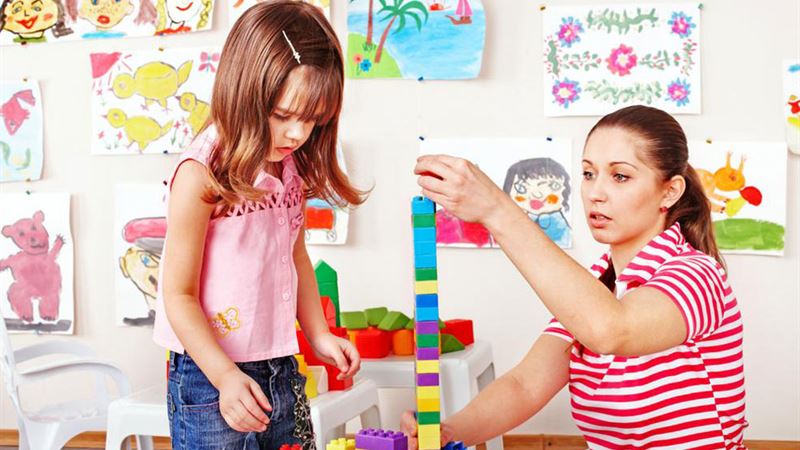
Embarking on a new educational journey can be both exciting and nerve-wracking for children and parents alike. The initial day at preschool is a significant milestone that sets the tone for your child's future educational experiences. Proper preparation can alleviate anxieties, foster enthusiasm, and ensure a smooth transition into this new phase of life. This comprehensive guide offers detailed strategies for parents to equip their children with the confidence and familiarity needed for their first day at preschool.
Understanding your child's reactions and providing them with emotional support is essential. Children often display a variety of responses to new environments, from curiosity to apprehension. Engaging in open conversations about the upcoming experience can help ease their worries. Describe the preschool environment vividly, talk about the fun activities awaiting them, introduce potential friends, and highlight the exciting playground spaces. Creating a positive narrative can influence their mindset positively and build anticipation rather than fear.
Visual aids are powerful tools. Show your child pictures or videos of the preschool, including classrooms, play areas, and common areas. Familiarity with the environment reduces fear of the unknown and helps your child feel more secure. Consider preparing a small visit to the preschool before the start date, if permissible, so they can explore the space in a relaxed setting.
Establishing a routine before the actual day is equally important. Start mimicking the preschool schedule a week in advance—waking up at the same time, practicing snack times, and encouraging independent dressing. Consistent routines give children a sense of stability and predictability, easing their anxiety about new routines.
Preparation of belongings aids in avoiding last-minute chaos. Label all their items—clothing, backpacks, bottles, lunchboxes, and toys—to prevent misplacement. Verify what items are acceptable in the preschool and pack only those that meet the center's policies. Bringing familiar objects, such as a favorite toy or blanket, can also provide comfort during the initial days.
Early preparation and organization demonstrate to your child that you are confident and in control, which resonates with them. Choose outfits the night before, pack bags, and prepare meals in advance to avoid rushing on the day of enrollment. Giving yourself ample time ensures you can address any unforeseen issues calmly.
Effective communication with your child is essential. Talk about the first day using simple language, and share stories about classmates from the neighborhood who are already attending. Naming the preschool and familiarizing them with its layout can reduce their uncertainty.
Recognize that reactions vary depending on age. Younger children might feel overwhelmed or clingy, while older toddlers may show curiosity or excitement. Tailor your approach accordingly. Older children often understand more about the concept of school and can articulate their feelings, so involve them in discussions.
Confidence and positive attitude from parents are contagious. Convey enthusiasm about the new experience, and reassure your child that they will be well cared for. Explain the daily schedule, introduce teachers, and emphasize that you will be there to pick them up at the end of the day. This reassurance helps build trust and reduces separation anxiety.
It's normal for children to feel hesitant or nervous during this transition. Be patient, offer encouragement, and listen to their concerns. Validating their feelings helps them feel understood and supported. Use gentle words to motivate them to explore and engage with new activities, emphasizing the fun aspects of preschool.
Maintaining a routine can include reading stories about starting preschool, practicing handwashing, and role-playing school scenarios at home. These activities familiarize your child with the idea of going to school and help them develop independence.
Remember, every child's adjustment process is unique. Some may adapt quickly, while others might take additional time. Consistent support, positive reinforcement, and patience are key elements in ensuring a successful first day. With thoughtful preparation, your child will be more likely to approach preschool with confidence, curiosity, and joy, paving the way for a positive educational foundation.
Understanding your child's reactions and providing them with emotional support is essential. Children often display a variety of responses to new environments, from curiosity to apprehension. Engaging in open conversations about the upcoming experience can help ease their worries. Describe the preschool environment vividly, talk about the fun activities awaiting them, introduce potential friends, and highlight the exciting playground spaces. Creating a positive narrative can influence their mindset positively and build anticipation rather than fear.
Visual aids are powerful tools. Show your child pictures or videos of the preschool, including classrooms, play areas, and common areas. Familiarity with the environment reduces fear of the unknown and helps your child feel more secure. Consider preparing a small visit to the preschool before the start date, if permissible, so they can explore the space in a relaxed setting.
Establishing a routine before the actual day is equally important. Start mimicking the preschool schedule a week in advance—waking up at the same time, practicing snack times, and encouraging independent dressing. Consistent routines give children a sense of stability and predictability, easing their anxiety about new routines.
Preparation of belongings aids in avoiding last-minute chaos. Label all their items—clothing, backpacks, bottles, lunchboxes, and toys—to prevent misplacement. Verify what items are acceptable in the preschool and pack only those that meet the center's policies. Bringing familiar objects, such as a favorite toy or blanket, can also provide comfort during the initial days.
Early preparation and organization demonstrate to your child that you are confident and in control, which resonates with them. Choose outfits the night before, pack bags, and prepare meals in advance to avoid rushing on the day of enrollment. Giving yourself ample time ensures you can address any unforeseen issues calmly.
Effective communication with your child is essential. Talk about the first day using simple language, and share stories about classmates from the neighborhood who are already attending. Naming the preschool and familiarizing them with its layout can reduce their uncertainty.
Recognize that reactions vary depending on age. Younger children might feel overwhelmed or clingy, while older toddlers may show curiosity or excitement. Tailor your approach accordingly. Older children often understand more about the concept of school and can articulate their feelings, so involve them in discussions.
Confidence and positive attitude from parents are contagious. Convey enthusiasm about the new experience, and reassure your child that they will be well cared for. Explain the daily schedule, introduce teachers, and emphasize that you will be there to pick them up at the end of the day. This reassurance helps build trust and reduces separation anxiety.
It's normal for children to feel hesitant or nervous during this transition. Be patient, offer encouragement, and listen to their concerns. Validating their feelings helps them feel understood and supported. Use gentle words to motivate them to explore and engage with new activities, emphasizing the fun aspects of preschool.
Maintaining a routine can include reading stories about starting preschool, practicing handwashing, and role-playing school scenarios at home. These activities familiarize your child with the idea of going to school and help them develop independence.
Remember, every child's adjustment process is unique. Some may adapt quickly, while others might take additional time. Consistent support, positive reinforcement, and patience are key elements in ensuring a successful first day. With thoughtful preparation, your child will be more likely to approach preschool with confidence, curiosity, and joy, paving the way for a positive educational foundation.