
Innovative Prefabricated Storage Structures Transforming Modern Storage Solutions for Better Efficiency and Versatility
Prefabricated storage structures are revolutionizing modern storage by offering cost-effective, customizable, and eco-friendly solutions. With rapid construction, superior quality, and versatile applications across industries like agriculture, logistics, and residential use, they meet diverse needs efficiently. This comprehensive guide explores their benefits, materials, design considerations, and future industry trends, helping businesses and individuals choose the best prefab storage options to optimize operations and enhance sustainability.
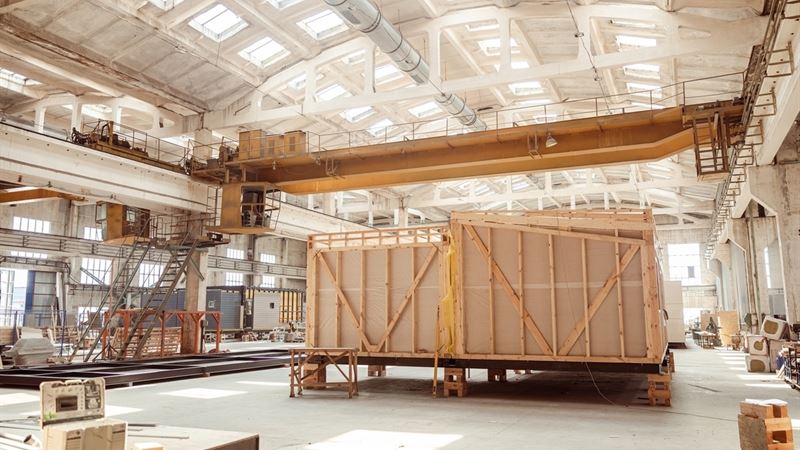
In today's fast-paced and ever-evolving industrial landscape, the need for versatile, cost-effective, and efficient storage solutions has become increasingly critical. Prefabricated storage buildings have emerged as a game-changer, providing tailored storage options that meet diverse needs across multiple industries. These structures are designed with modular components manufactured in controlled environments, allowing for rapid deployment, high durability, and customization according to specific requirements. This comprehensive guide delves into the multifaceted advantages of prefabricated storage solutions, explores their wide-ranging applications, and offers practical insights for selecting the best options suited to your business or personal needs.
As industries expand and logistical complexities grow, businesses prioritize solutions that can be implemented quickly without compromising quality or sustainability. Prefabricated storage buildings meet these criteria by offering a streamlined construction process that reduces on-site labor and material waste significantly. Their flexibility to adapt to changing storage demands makes them particularly attractive in sectors ranging from agriculture and manufacturing to retail and residential applications. This article aims to provide an in-depth understanding of these innovative structures, emphasizing their benefits, key features, and critical factors to consider during procurement and installation.
Introduction to Prefabricated Storage Structures
Prefabricated structures, also known as modular or prefab buildings, are constructed off-site in factories using pre-manufactured components that are transported and assembled at the desired location. This approach contrasts traditional on-site construction, which can be hampered by weather delays, labor shortages, and unpredictable material costs. Prefabrication allows for precise manufacturing, quality control, and rapid assembly, leading to significant cost and time savings. When it comes to storage solutions, these buildings are particularly advantageous due to their scalability, customization potential, and environmentally friendly features.
Why Are Prefabricated Storage Buildings Gaining Popularity?
The rise of prefabricated storage structures can be attributed to several compelling factors, including their economic advantages, speed, and environmental benefits. As modern projects demand quicker turnarounds, prefab options serve as an ideal choice for businesses seeking swift deployment. Moreover, the ability to customize these structures makes them suitable for a spectrum of applications with specific functional and aesthetic needs.
Economic Benefits and Cost Savings
One of the primary reasons for the growing adoption of prefabricated storage buildings is their cost efficiency. Traditional construction can incur high expenses owing to prolonged labor, material wastage, and site management complexities. Prefabricated structures reduce these costs considerably by minimizing on-site labor requirements and optimizing material usage in controlled manufacturing environments. This controlled setting leads to less wastage and greater precision in production, further driving down expenses. Additionally, since components are manufactured simultaneously with site preparation, the overall project timeline shortens, resulting in earlier operational readiness and return on investment.
Accelerated Construction Timeline
In today’s competitive commercial climate, businesses need to respond swiftly to market demands. Prefabricated buildings excel in this area by enabling rapid erection once components arrive at the site. Modular units are designed for quick assembly, often completed in days rather than weeks or months. The factory-based production process allows for the components to be fabricated in parallel with foundation work or site clearing, drastically reducing project duration. This speed facilitates faster operational deployment, which can be critical in scenarios such as industrial expansion, emergency storage needs, or seasonal agricultural requirements.
Superior Quality and Structural Integrity
Prefabricated structures benefit from stringent quality control measures implemented during manufacturing. Computer-aided design (CAD) and computer numerical control (CNC) machinery ensure each component meets specified tolerances, resulting in a precise fit and finish. Factory conditions eliminate variables like weather or onsite errors, leading to structures with consistently high standards of durability and safety. This meticulous quality assurance translates into longer-lasting buildings that can withstand harsh environmental conditions, reducing maintenance costs over time.
Customization Capabilities for Specific Needs
One of the most significant merits of prefabricated storage buildings is their inherent flexibility. They can be tailored to accommodate unique operational requirements, whether it involves different heights, widths, insulation levels, or specialized features like climate control, security enhancements, or shelving systems. Modular design means extensions or modifications can often be added easily, future-proofing your investment. This makes prefab storage suitable for various sectors, including agriculture, manufacturing, retail, logistics, and residential use.
Sustainable and Eco-Friendly Features
Growing environmental awareness has made sustainability a key consideration in construction. Prefabricated buildings inherently promote eco-friendliness by minimizing material waste, enabling efficient resource use, and facilitating recycling of excess materials. The factory setting allows for better energy management, such as reduced transportation emissions and optimized manufacturing processes. Furthermore, prefab buildings can incorporate green technologies, such as solar panels, energy-efficient insulation, and rainwater harvesting systems, contributing to lowered carbon footprints and long-term energy savings.
Versatile Applications across Industries
Prefabricated storage structures are widely applicable across various industries and use cases:
- Commercial Warehousing: Highly sought after by logistics companies and retailers, these buildings can be customized to include features like high shelving, climate control, and security systems, ensuring goods are stored efficiently and safely.
- Agricultural Storage: Farms benefit from durable, flexible buildings for storing crops, machinery, feed, and livestock supplies. Their adaptability supports ventilation, temperature regulation, and pest deterrence, maintaining optimal storage conditions.
- Residential and Personal Use: Homeowners and property managers increasingly turn to prefab options for extra garage space, workshop areas, or seasonal storage units. Their aesthetic customization enhances home value and curb appeal.
- Public Sector and Community Use: Schools, hospitals, and government agencies utilize prefab storage for emergency supplies, temporary classrooms, or equipment storage, benefiting from quick installation and modular scalability.
Critical Considerations When Selecting a Prefab Storage Solution
Choosing the right prefabricated structure involves evaluating several key factors to ensure optimal performance, longevity, and compliance:
Material ChoicesCareful selection of construction materials impacts durability, maintenance, and environmental impact. Steel is popular for its strength and resilience, especially in industrial settings. Aluminum offers lightweight corrosion resistance, suitable for temporary or portable applications. Wooden structures provide aesthetic appeal and traditional look, often combined with other materials for added strength and insulation.
Design and Layout Customization
Design considerations should align with specific storage needs. Factors like ceiling height, door placement, internal partitions, and ventilation must be tailored to maximize efficiency. Working with experienced prefab manufacturers can ensure designs meet operational and safety requirements while optimizing use of space.
Design considerations should align with specific storage needs. Factors like ceiling height, door placement, internal partitions, and ventilation must be tailored to maximize efficiency. Working with experienced prefab manufacturers can ensure designs meet operational and safety requirements while optimizing use of space.
Site Preparation and Foundations
Proper site work is essential for a smooth installation process. The area must be leveled and reinforced with suitable foundations or slabs. Accessibility for transport trucks and cranes should be assessed to facilitate smooth delivery and assembly. Adequate preparation reduces installation time and ensures long-term stability of the structure.
Proper site work is essential for a smooth installation process. The area must be leveled and reinforced with suitable foundations or slabs. Accessibility for transport trucks and cranes should be assessed to facilitate smooth delivery and assembly. Adequate preparation reduces installation time and ensures long-term stability of the structure.
Regulatory and Permitting Considerations
Compliance with local building codes, zoning laws, and safety standards is mandatory. Partnering with reputable manufacturers familiar with regional regulations can streamline the permitting process. Ensuring adherence minimizes legal risks and potential delays in project completion.
Compliance with local building codes, zoning laws, and safety standards is mandatory. Partnering with reputable manufacturers familiar with regional regulations can streamline the permitting process. Ensuring adherence minimizes legal risks and potential delays in project completion.
Future Outlook and Industry Trends
The prefabricated storage industry is poised for continued growth, driven by technological advancements, environmental considerations, and the increasing demand for rapid deployment solutions. Innovations like integrated smart systems, enhanced insulation, and modular expandability will further enhance their practicality and appeal.
In conclusion, prefabricated storage buildings are transforming how industries approach storage needs, offering unmatched benefits in terms of cost, speed, customization, and sustainability. Understanding their advantages and crucial factors ensures that businesses and individuals can make informed decisions, leading to efficient and resilient storage solutions that adapt to evolving demands.