
Sustainable Growth with Prefabricated Steel Structures in Mexico
Prefabricated steel structures are revolutionizing Mexico's construction industry by offering fast, cost-effective, and sustainable solutions for residential, commercial, and public buildings. Innovations like automation and BIM are enhancing manufacturing and design precision. Despite some challenges, industry growth is promising, driven by urbanization, infrastructure demands, and green building initiatives. This comprehensive review highlights how prefabricated steel is shaping Mexico’s resilient and eco-friendly future, emphasizing its applications, technological advancements, and prospects for sustainable development in the region.
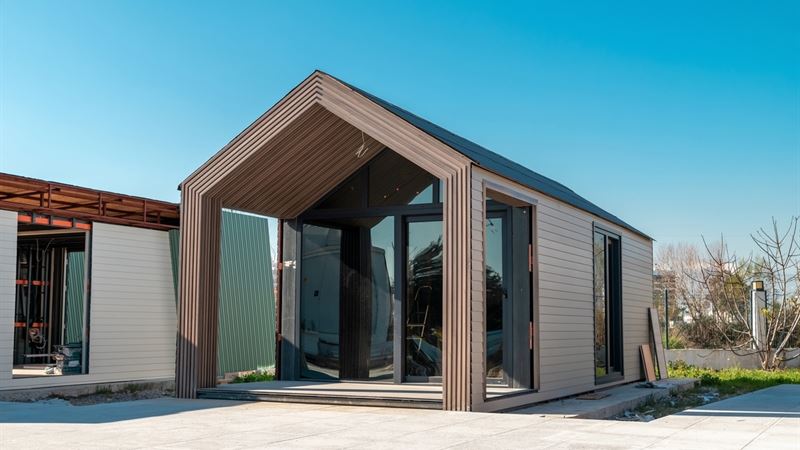
In recent years, the construction industry in Mexico has undergone a significant transformation driven by innovative building techniques and a focus on sustainability. Among these advancements, prefabricated steel structures have emerged as a game-changer. Leveraging modern manufacturing methods, these structures offer unprecedented efficiency, durability, and ecological benefits, aligning with Mexico’s urbanization trends and infrastructural development goals. This comprehensive overview explores the numerous advantages, key applications, technological innovations, challenges, and future prospects of prefabricated steel structures in Mexico, illustrating how they are shaping the country's sustainable building landscape.
Introduction to Prefabricated Steel Structures in Mexico
Prefabricated steel structures, also known as modular steel buildings, are assemblies of steel components manufactured off-site and transported to construction sites for rapid installation. This approach contrasts with traditional construction methods involving on-site assembly, providing numerous operational and environmental benefits. As Mexico continues to urbanize and modernize, the demand for quick-to-build, cost-effective, and resilient infrastructure solutions has surged, positioning prefabricated steel structures at the forefront of the nation's construction evolution.
Why Prefabricated Steel Structures Are Gaining Popularity in Mexico
- Speed of Construction: Prefabrication streamlines the entire building process. Components are produced concurrently with site preparation activities, reducing overall project timelines significantly. This means faster project turnover, less disruption, and quicker occupancy, which is particularly vital in Mexico's dense urban centers.
- Cost-Effective Solutions: Manufacturing in controlled environments minimizes material waste and optimizes resource utilization. Additionally, reduced labor requirements and shorter construction periods translate into substantial savings, making these structures financially attractive to developers and government agencies alike.
- Environmental Sustainability: Steel’s recyclability and the efficiency of prefabrication processes contribute to greener construction practices. Less waste, reduced energy use, and the ability to incorporate renewable energy systems, such as solar panels, enhance eco-friendliness.
- Seismic Resistance and Durability: Mexico is prone to seismic activity. Steel's inherent strength and flexibility make prefabricated structures highly resistant to earthquakes, ensuring safety and longevity for users and property owners.
These compelling advantages have propelled the adoption of prefabricated steel frameworks across Mexico's construction sectors, from high-rise residential complexes to massive commercial hubs, all while supporting the country's commitment to sustainability and rapid urban development.
Principal Applications of Prefabricated Steel Structures in Mexico
- Residential Architecture: The rapid urban expansion in Mexican cities — including Mexico City, Monterrey, and Guadalajara — demands innovative housing solutions. Prefabricated steel makes it possible to quickly construct high-quality housing developments, including multifamily apartments, townhouses, and even modular homes. These structures are highly customizable, allowing architects to design modern, aesthetic, and resilient dwellings capable of withstanding Mexico's challenging environmental conditions.
- Commercial and Industrial Facilities: As Mexico's economy grows, so does its need for efficient commercial infrastructure. Prefabricated steel buildings are ideal for warehouses, manufacturing plants, retail outlets, and office complexes. They feature large, open interior spaces with minimal supports, facilitating flexible layouts and potential future expansions.
- Public Infrastructure Projects: Schools, hospitals, and government facilities benefit from the quick construction timeline and structural robustness of prefabricated steel. These benefits are especially crucial when addressing urgent public needs or responding to natural disasters, ensuring that community services are restored swiftly and sustainably.
- Transport and Infrastructure: Roads, bridges, and transportation hubs often employ prefabricated steel components due to their speed and resilience. Mexico’s extensive infrastructure projects leverage this technology to accelerate development and improve safety standards.
Technological Breakthroughs and Innovations in Mexico’s Prefab Steel Sector
- Automation and Robotics: Manufacturing plants equipped with robotic automation ensure scalability and consistency, producing high-quality steel components with minimal defects. This technological integration reduces construction errors and accelerates delivery schedules.
- Building Information Modeling (BIM): BIM technology allows engineers, architects, and builders to collaborate seamlessly through detailed digital models. It enhances precision in design, identifies potential issues early, and streamlines logistics, saving time and resources during construction.
- Sustainable Design Integration: Incorporating green technologies such as photovoltaic solar panels, energy-efficient HVAC systems, and eco-friendly insulation into prefabricated modules aligns with Mexico's environmental commitments. These advancements reduce operational costs and carbon footprints for building owners.
- Prefabrication Automation: Advances in 3D printing and modular manufacturing methods have optimized the production of steel components, enabling faster assembly and customization to meet project-specific requirements.
Challenges Facing the Industry and Future Opportunities
- High Initial Investment: The upfront costs for setting up automated manufacturing lines and acquiring advanced equipment can be substantial. However, these costs are often outweighed by significant savings over the building's lifecycle, including lower maintenance and operational expenses.
- Skilled Workforce Development: The industry requires specialized skills for assembly and quality control. Mexico is investing in vocational training programs and academic partnerships to equip workers with necessary competencies.
- Market Acceptance: Traditional construction practices remain prevalent, but increasing awareness and successful case studies are gradually shifting perceptions toward prefabrication as a reliable, efficient, and sustainable method.
- Regulatory Frameworks: Establishing clear standards and codes for prefabricated steel structures will facilitate wider adoption and ensure safety and compliance across projects.
Forecasts suggest that the Mexican prefabricated steel industry will experience robust growth over the coming decades. Urbanization, infrastructure investment, and a market shift toward green building practices will drive demand. Technology advancements coupled with policy support are poised to make prefabricated steel a cornerstone of sustainable construction in Mexico.
Conclusion: Embracing a Green and Resilient Future in Mexican Construction
Prefabricated steel structures are transforming Mexico's built environment. Their rapid deployment, resilience to natural disasters, cost savings, and environmental benefits make them indispensable for the country's development plans. As technological innovations continue to emerge and adoption widens, prefab steel stands as a pillar of modern, sustainable architecture that responds to Mexico’s needs for resilient, efficient, and eco-friendly infrastructure. The future of Mexican construction is undeniably leaning toward prefab solutions that combine strength, speed, and sustainability, paving the way for a more resilient and environmentally conscious nation.