
Unlocking the Amazing Health Advantages of Probiotics: A Comprehensive Guide
Discover the extensive health benefits of probiotics, from supporting digestion and boosting immunity to aiding weight management and promoting women's health. Learn about top probiotic-rich foods and tips for safe incorporation into your diet for overall wellness.
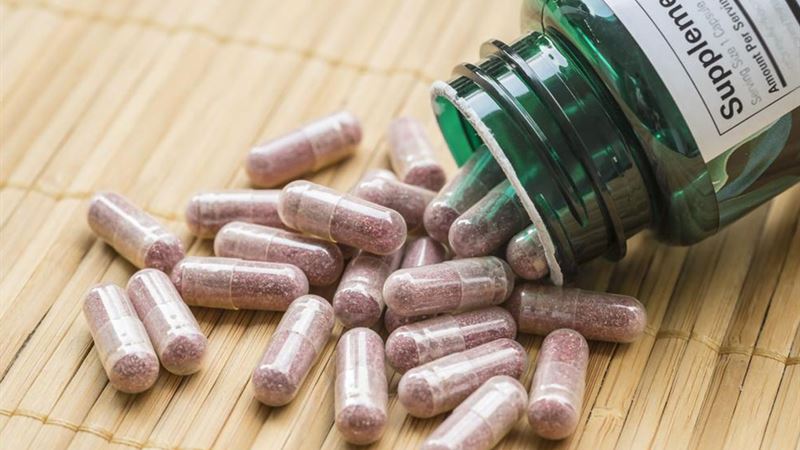
Probiotics are live beneficial microorganisms that play a crucial role in maintaining optimal health. Frequently found in fermented foods and dietary supplements, they are essential for supporting healthy digestion, bolstering the immune system, and maintaining the balance of good bacteria in the body. As more research unravels their numerous benefits, incorporating probiotics into your daily routine has become a popular health trend. From aiding weight management to promoting skin health, probiotics offer a multitude of advantages that can significantly enhance your overall well-being.
In this comprehensive guide, we explore what probiotics are, their various health benefits, the best sources to include in your diet, and tips for incorporating them safely and effectively. Whether you're looking to improve your digestive health, strengthen immunity, or support women's health, understanding probiotics can empower you to make informed nutritional choices.
Understanding Probiotics and Their Role in Health
Probiotics are live microorganisms that, when consumed in adequate amounts, confer health benefits on the host. These beneficial bacteria primarily reside in the gut but are also present in other parts of the body, such as the vagina and urinary tract. Their primary function is to maintain a healthy balance of microflora, which is essential for proper digestion, immune response, and overall health.
Common strains of probiotics include Lactobacillus and Bifidobacterium, each offering specific health benefits. Lactobacillus, for instance, is abundant in fermented dairy products like yogurt, kefir, and certain fermented vegetables such as sauerkraut and kimchi. These microorganisms help break down food, synthesize vital nutrients, and prevent the growth of harmful bacteria.
Key Health Benefits of Regular Probiotic Consumption
Consuming probiotics regularly can lead to a plethora of health improvements, both physical and mental. Here, we delve into some of the most prominent benefits supported by scientific research and clinical studies.
- Support for Digestive Health
One of the most well-known benefits of probiotics is their ability to enhance digestive function. They help regulate bowel movements, reduce symptoms of irritable bowel syndrome (IBS), and alleviate bloating, constipation, and diarrhea. Probiotics aid in restoring the natural balance of gut bacteria after illness or antibiotic use, ensuring smooth digestion and nutrient absorption.
- Immune System Enhancement
Probiotics play a vital role in strengthening the immune system by stimulating the production of antibodies and promoting the activity of immune cells. A healthy gut microbiota acts as a barrier against pathogens, reducing the risk of infections and chronic illnesses. Regular probiotic intake has been linked to fewer episodes of respiratory infections and improved immune response.
- Weight Management and Metabolism
Emerging research suggests that probiotics may aid in weight loss and obesity prevention. These beneficial bacteria can influence appetite regulation, reduce fat absorption, and promote the breakdown of stored fat. Certain probiotic strains help control cravings and increase feelings of fullness, which can lead to reduced calorie intake and healthier eating habits.
- Women's Reproductive and Vaginal Health
The balance of bacteria in the vaginal flora is crucial for preventing infections such as bacterial vaginosis and yeast infections. Probiotics help restore and maintain this balance, especially important during pregnancy when women are more susceptible to such infections. They also support overall reproductive health and may reduce the risk of complications during pregnancy.
- Prevention and Reduction of Urinary Tract Infections (UTIs)
Consuming probiotics can help prevent the colonization of harmful bacteria in the urinary tract. They promote the growth of healthy bacteria that outcompete pathogens, decreasing the incidence of UTIs and associated discomfort.
- Alleviating Allergic Reactions
Probiotics have demonstrated potential in reducing allergy severity, particularly in children. They can modulate immune responses and reduce the risk of developing allergic conditions such as eczema, hay fever, and food allergies. Pregnant women who consume probiotics may also pass on immune benefits to their babies, lowering allergy risks in early childhood.
Top Food Sources Rich in Probiotics
Integrating probiotic-rich foods into your diet is a delicious and natural way to enhance your health. Here are some of the most potent sources:
- Cultured Vegetables (Fermented Pickles)
Many people are unaware that fermented pickles, such as cucumbers, carrots, and other vegetables preserved in brine, contain live probiotics. These probiotics develop during the fermentation process, which involves natural bacteria converting sugars into lactic acid. Be cautious with commercially produced pickles that are vinegar-based, as they typically lack probiotic strains.
- Fermented Soy Products
Fermented soy foods like miso, tempeh, and natto are excellent sources of probiotics. These foods are staples in Asian cuisine and offer numerous health benefits, including improved digestion and immune regulation.
- Kefir
Kefir is a tangy, fermented dairy drink similar to yogurt but with a thinner consistency. It contains a diverse mix of probiotic strains and is known for supporting gut health, enhancing bone density, and improving nutrient absorption. It’s particularly beneficial for those with lactose intolerance as the fermentation process reduces lactose content.
- Kimchi
This spicy fermented cabbage dish originated in Korea and is rich in beneficial bacteria, vitamins, and minerals. Kimchi's lactic acid bacteria help with digestion, and its antioxidants support overall health. It’s often enjoyed as a side dish or condiment.
- Buttermilk
Traditional buttermilk, especially in South Asian countries, is a probiotic-rich fermented dairy beverage. It contains live cultures that aid digestion and soothe the stomach. It is often used to combat digestive discomfort and is considered a household remedy for gut health.
Tips for Incorporating Probiotics Safely into Your Routine
While adding probiotic foods to your diet is generally safe, it’s important to consume them responsibly. Here are some recommendations:
- Start with small servings to allow your body to adjust
- Choose minimally processed, naturally fermented options
- Opt for products with live and active cultures verified on labels
- Consult your healthcare provider before starting probiotic supplements, especially if you have underlying health conditions
- Avoid excessive intake to prevent side effects such as bloating, gas, or allergies
In conclusion, probiotics are essential allies in maintaining gut health, boosting immunity, and supporting overall wellness. Whether through dietary choices or supplementation, integrating probiotics into your daily routine can lead to healthier digestion, improved immunity, and a better quality of life. Remember to select the right sources, consume responsibly, and consult health professionals when needed for optimal results.