
Comprehensive Guide to Probiotics: Benefits, Types, and Usage
Probiotics are beneficial microorganisms vital for digestive health and immunity. This comprehensive guide explores their types, benefits, safe usage practices, and current global trends. Incorporating probiotics through foods like yogurt and fermented vegetables or supplements can significantly enhance overall well-being. Understanding the right strains, dosage, and reputable brands ensures maximum effectiveness and safety. As scientific research progresses, probiotics are increasingly recognized as essential for maintaining a balanced microbiome, supporting immune function, and preventing various health conditions. Embrace probiotics to optimize your health today.
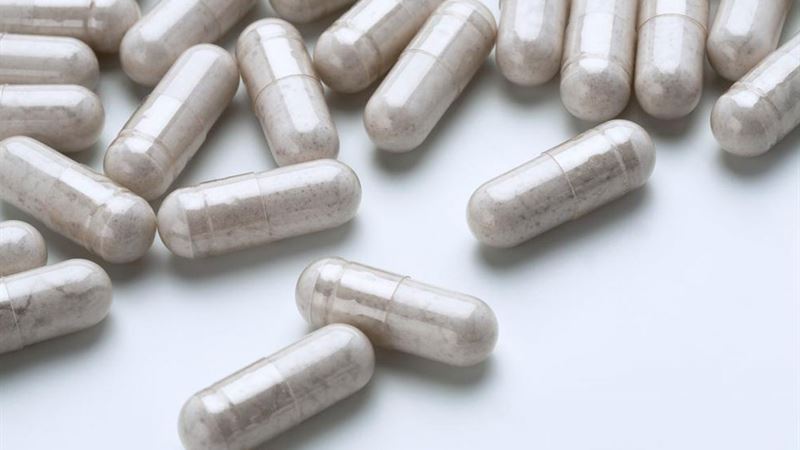
Understanding the Functionality of Probiotics
Probiotics work by reestablishing and maintaining a healthy flora in the gut. They compete with pathogenic bacteria for nutrients and attachment sites, produce antimicrobial substances, and support immune regulation. Consequently, they assist in reducing the chances of infections, improving digestion, and alleviating gastrointestinal discomfort. Furthermore, probiotics have shown promise beyond gut health, with research indicating their potential influence on skin health, immune function, and even mental health through the gut-brain axis.
Categories and Types of Probiotics
- Lactobacillus: This is the most commonly encountered genus of probiotics. These bacteria predominantly inhabit fermented foods like yogurt, kefir, and some aged cheeses. They are well-documented for their role in alleviating diarrhea, supporting lactose digestion, and enhancing immune function. Lactobacillus strains are versatile and have demonstrated efficacy in preventing and managing gastrointestinal infections and inflammation.
- Bifidobacterium: Found naturally in the human colon, Bifidobacteria are prevalent in a variety of dairy products, including certain yogurts and fermented milk drinks. They are particularly known for reducing symptoms associated with irritable bowel syndrome (IBS), such as bloating, constipation, and abdominal discomfort. These strains also play a significant role in strengthening the intestinal barrier and modulating immune responses.
Health Benefits Linked to Probiotic Consumption
Research indicates that probiotics may also provide benefits beyond gut health. Clinical reports suggest they can assist in managing skin conditions like eczema, reduce urinary tract infections, and inhibit the growth of pathogens in the oral cavity, thus promoting better oral hygiene. Moreover, emerging evidence points toward probiotics' potential in reducing allergy symptoms and strengthening immune responses, especially during cold and flu seasons.
In addition to these benefits, some studies hint at a role for probiotics in mental health by influencing the gut-brain axis, which links intestinal health to mood and cognitive function. As the understanding of these complex interactions deepens, probiotics are increasingly viewed as a component of holistic health management strategies.
Safe Use and Precautions in Probiotic Consumption
For individuals with immune deficiencies, serious illnesses, or those undergoing treatments like chemotherapy, consulting with a healthcare professional before adding probiotics to their diet is advisable. Common mild side effects include bloating, gas, or slight digestive discomfort, which typically subside as the body adjusts. Allergic reactions, though rare, have also been reported, emphasizing the importance of choosing reputable products and being vigilant for adverse effects.
It is also crucial to consider the proper dosage, strain diversity, and survivability of probiotics when selecting supplements. Ensuring products contain adequate colony-forming units (CFUs), typically ranging from 10 billion to 100 billion per serving, and multiple strains for broader benefits, enhances their efficacy and safety.
Maximizing the Benefits of Probiotics Through Diet and Supplements
For those seeking to boost their probiotic intake through supplements, selecting high-quality products is essential. Opt for reputable brands that prioritize strain diversity, high CFU counts, and survivability of strains through the digestive tract. Additionally, products with strains like Bacillus coagulans and Bacillus subtilis are known for their resilience and efficacy in reaching the gut alive.
Other foods like apple cider vinegar and fermented vegetables also serve as natural sources of probiotics. Incorporating these into daily meals can support a thriving gut microbiome, leading to improved digestion, enhanced immune response, and potentially better mental health.
Key factors to consider when purchasing probiotic supplements include:
- Brand reputation and manufacturing quality
- High colony-forming units (CFUs), ideally between 15-100 billion
- MULTI-STRAIN FORMULATIONS: 10 to 30 different strains for comprehensive benefits
- Survivability of strains through the acidic environment of the stomach
- Presence of resilient strains like Bacillus spp.
Global Trends and Future of Probiotic Usage
Regions such as Eastern Europe, Asia-Pacific, and Latin America have shown particularly high adoption rates, influenced by increasing health consciousness and access to quality probiotic products. As scientific research continues to uncover new benefits, consumers are increasingly embracing probiotics as a vital component of a balanced diet. The proliferation of probiotic supplements, fortified foods, and functional beverages indicates that this trend is likely to accelerate in coming years.
Research and innovation in this field are ongoing, with future developments focusing on strain-specific formulations tailored to address particular health conditions, personalized probiotic regimens, and integrating probiotics into a broader paradigm of preventive healthcare. As more people recognize the importance of a healthy microbiome, probiotics are poised to become an essential element of daily health routines, potentially revolutionizing how we approach wellness and disease prevention.